


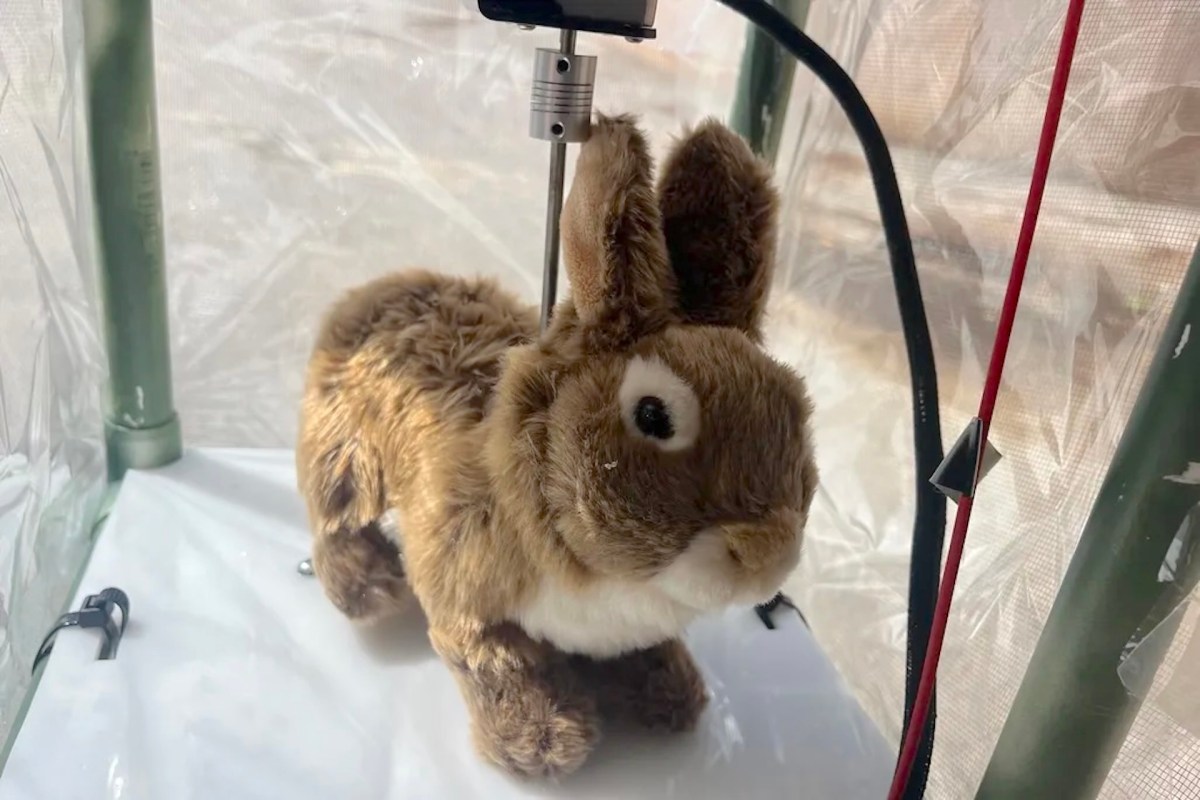
To target one of Florida's most destructive invasive animals, researchers will be deploying realistic "robo-bunny" decoys that generate heat in hopes of coaxing Burmese pythons into the open.
If the pilot program works, it could save biologists hours of searching through swamps while helping protect the native animals that play an important role in keeping the Everglades ecosystem healthy.
What happened?
University of Florida scientists are placing robo-bunny decoys around South Florida in an effort to capture and kill more invasive Burmese pythons.
The remote-controlled devices are designed to resemble marsh rabbits, a common target for Burmese pythons. By using heaters and moving parts that imitate a rabbit's body warmth and behavior, scientists are hoping that more snakes can be captured.
The effort is being funded by the South Florida Water Management District, while related research previously received support from the Florida Fish and Wildlife Conservation Commission, according to Smithsonian Magazine.
Robert McCleery, who leads the project as a University of Florida wildlife ecologist, told the Palm Beach Post, "Our partners have allowed us to trial these things that may sound a little crazy." He added, "Working in the Everglades for ten years, you get tired of documenting the problem. You want to address it."
TCD Picks » Quince Spotlight
💡These best-sellers from Quince deliver affordable, sustainable luxury for all




For the pilot, McCleery and colleague Chris Dutton have outfitted 40 toy rabbits with solar-powered electronics and waterproofing so the decoys can handle South Florida conditions, per Smithsonian Magazine.
Motion-sensitive cameras will send alerts when something approaches, helping researchers spot snakes faster and making it easier for removal teams to respond.
Why does it matter?
Not native to Florida, Burmese pythons arrived through the exotic pet trade and then spread through the Everglades, where they face few natural predators.
They have since heavily reduced populations of animals including rabbits, raccoons, opossums, and foxes, and one 2015 study found that the snakes were responsible for nearly 77% of rabbit deaths in Everglades National Park.
The Everglades is a critical landscape for South Florida's water system, outdoor economy, and biodiversity. Protecting native species not only supports a healthier ecosystem overall, but also benefits nearby communities, as well as hunters, anglers, and others who depend on the region's natural resources.
If the robo-rabbits succeed, controlling pythons could rely less on chance encounters and labor-intensive searches. By pulling snakes toward monitored spots, the system may allow quicker removals, and researchers plan to try added scent cues if heat and movement alone are not enough.

Get TCD's free newsletters for easy tips, smart advice, and a chance to earn $5,000 toward home upgrades. To see more stories like this one, change your Google preferences here.






