


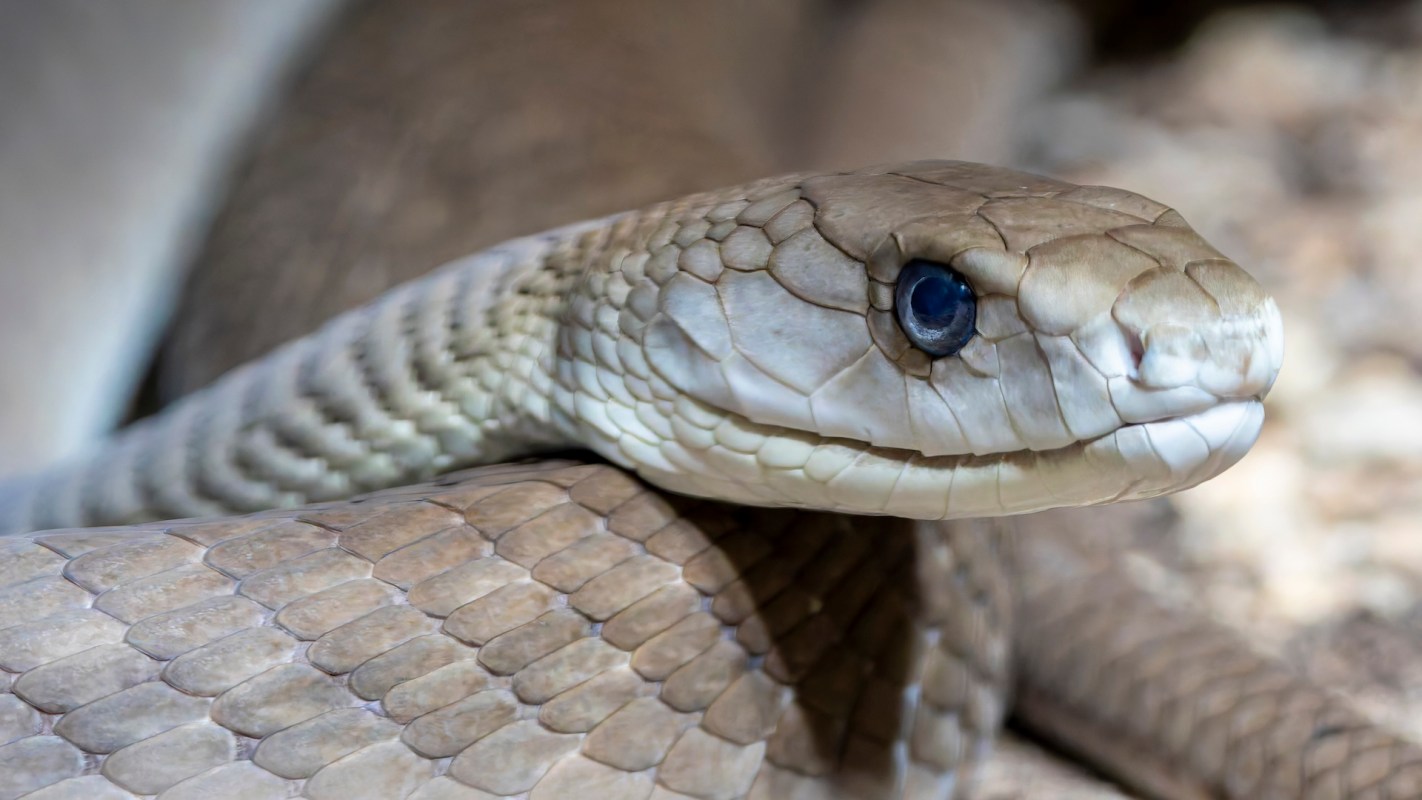
South Africa's black mamba is dangerous enough to inspire fear, but researchers say it may also have an unexpected use.
Their study suggests toxic metals build up in the snake's scales, giving scientists a safe way to check pollution in places where people live.
What happened?
Researchers studying black mambas in Durban found lead, arsenic, cadmium, and mercury in the snakes' scales, Discover Wildlife reported.
Published in the journal Environmental Pollution, the work was the first reported evidence of heavy metal buildup in an African snake.
Because black mambas are top predators that eat rodents, birds, and other animals, pollution absorbed by their prey can accumulate in the snakes over time.
Professor Marc Humphries led the research with snake expert Nick Evans of KwaZulu-Natal Amphibian and Reptile Conservation, and the team captured 61 black mambas from homes, businesses, and factory areas around Durban.
TCD Picks » Quince Spotlight
💡These best-sellers from Quince deliver affordable, sustainable luxury for all




After taking small scale clippings, the researchers moved the snakes to suitable habitats. They also examined tissue from 33 snakes that had been killed in road accidents or during conflict with humans.
Why does it matter?
The results revealed a sharp divide depending on where the snakes lived.
Black mambas from commercial and industrial parts of the city had far higher toxic metal levels than snakes from protected green spaces, including the Durban Metropolitan Open Space System.
The study points to a practical way for cities to track environmental health with little harm to the animals involved.
Researchers may be able to rely on quick scale clippings from snakes that are removed from homes and workplaces.
The findings also reinforce the value of connected urban green spaces. If protected natural areas are linked and maintained, they may help shield wildlife and nearby communities from some of the worst pollution exposure.
A species many people fear could help guide cities toward smarter conservation and cleaner development.
What are people saying?
"Black mambas are common in the Durban area, and individuals often live in the same refuge for years," professor Graham Alexander, a herpetologist at the University of the Witwatersrand in Johannesburg, said, per Discover Wildlife. "If the body tissue of individuals contains high levels of heavy metals, it is a strong sign that the local environment is under threat."
Alexander also said the research could shift how people view the species: "People are understandably scared of mambas, as they are one of Africa's most dangerous snakes, but if we treat them correctly, they can be a valuable tool to assess pollution levels."

Get TCD's free newsletters for easy tips, smart advice, and a chance to earn $5,000 toward home upgrades. To see more stories like this one, change your Google preferences here.






