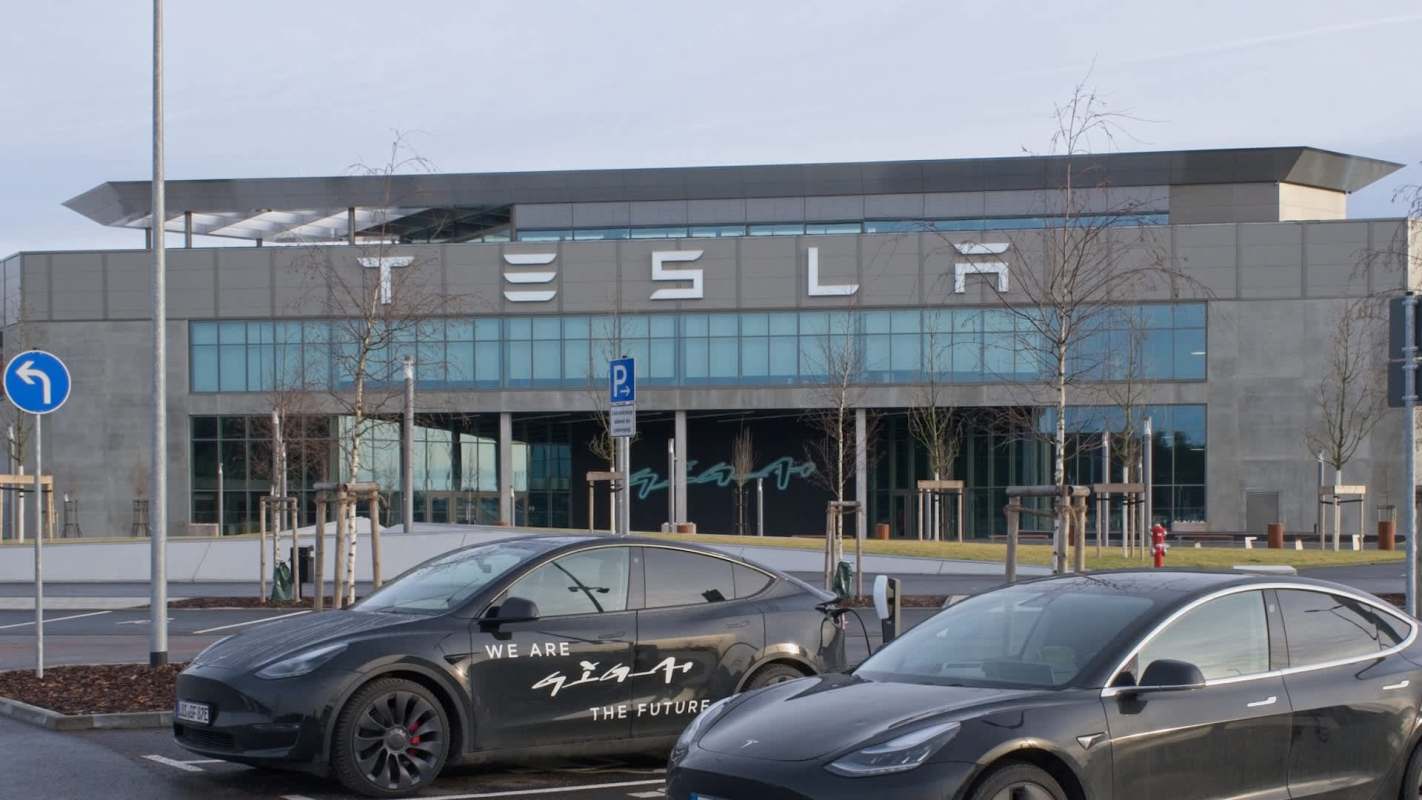
After a year of headlines portraying Tesla's German plant as underutilized, the latest signal from the company points to expansion instead.
Another planned increase in Model Y production would put Giga Berlin beyond its stated capacity and indicate a stronger-than-expected recovery in European output.
What's happening?
According to a recent YouTube analysis by EV news creator The Electric Viking (@electricviking), Tesla plans to raise Model Y production in Berlin by 20% starting in October, reaching 7,500 vehicles per week.
Tesla currently lists Berlin's capacity at 375,000 vehicles per year, so maintaining that weekly pace would place annual output at roughly 390,000 to 400,000 vehicles.
The creator also said Tesla intends to add 1,000 workers to help support the increase. That would be a sharp contrast with 2025, when the factory built a little more than 200,000 vehicles, or about half of its potential output.
The analysis said signs of a pickup had already appeared earlier in 2026: Giga Berlin reportedly set a quarterly record with 61,000 vehicles produced in the first quarter, while March Model Y registrations climbed 117%.
TCD Picks » Quince Spotlight
💡These best-sellers from Quince deliver affordable, sustainable luxury for all




Why does it matter?
If that production increase holds, it would suggest Tesla's European operations are recovering faster than many observers expected. More local output can mean better availability, shorter wait times, and less dependence on overseas shipping in the region.
A healthier EV supply pipeline can also increase competition across the market, which may improve pricing, options, and access to electric models. Replacing gas-powered cars with EVs also helps reduce tailpipe pollution.
What's being done?
Tesla's near-term plan is straightforward: boost weekly Model Y output and add workers to achieve it. Running a factory above its listed nameplate capacity suggests the company is trying to squeeze more from an existing plant rather than wait for a new facility to come online.
Greater supply may ease bottlenecks, and stronger competition in the EV market can encourage automakers to sharpen pricing and features.
Switching to an electric vehicle can yield substantial long-term savings for drivers, from reduced fuel costs to lower maintenance expenses.
Charging an EV at home is significantly cheaper than relying on public chargers. And homeowners interested in faster at-home charging can get free, instant installation estimates through Qmerit, which helps install Level 2 chargers.
As the creator put it, "12 months ago, the headlines completely wrote off Tesla in Europe."
The analysis now argues, "This isn't Tesla filling spare lines; this is Tesla building above the number the plant was rated for."

Get TCD's free newsletters for easy tips, smart advice, and a chance to earn $5,000 toward home upgrades. To see more stories like this one, change your Google preferences here.