


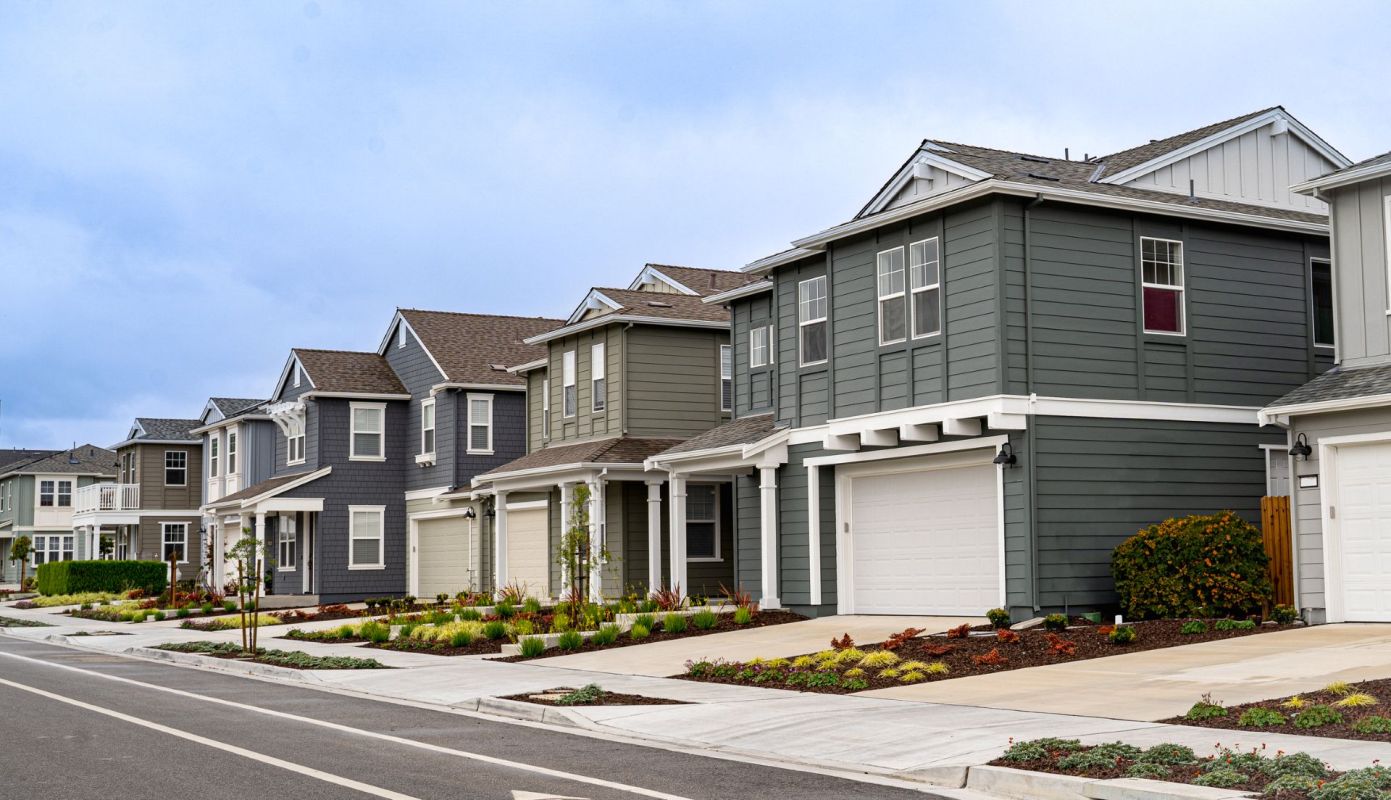
California lawmakers are debating whether homeowners associations should require member approval for anything above an 8% annual dues increase as residents face higher mortgage, insurance, and utility bills.
What's happening?
At the center of the discussion is Senate Bill 1007, which would require homeowner approval before an HOA could raise dues by more than 8% in a year, according to CalMatters.
Under existing California law, associations can increase those fees by up to 20% annually without a member vote.
The proposal is being weighed in a housing market where HOA communities make up a large and growing share of homes. CalMatters, citing U.S. Census Bureau data, reported that 67% of newly built single-family homes nationwide in 2024 were in HOAs, up from 46% in 2009. In California, more than one-third of residents live in HOA neighborhoods, and the median monthly fee is nearly $300.
Backers have said the measure could give homeowners more predictability as they try to keep up with soaring property-related costs.
"This bill is about providing information to a homeowner to understand how much they're gonna be paying," said Sen. Caroline Menjivar, a Van Nuys Democrat who authored the legislation.
TCD Picks » Quince Spotlight
💡These best-sellers from Quince deliver affordable, sustainable luxury for all




Critics, however, have said associations are dealing with their own rising expenses, including insurance, repairs, and energy.
Why does it matter?
For many households, HOA dues are no longer a minor added expense. In some communities, especially condo developments with aging buildings and shared infrastructure, they can rival or even exceed other major housing costs.
CalMatters reported that Center for California Homeowner Association Law president Marjorie Murray warned at a March hearing: "This is unsustainable. Even regular assessments raised by 20% will double in four years and triple in five."
HOAs across the country have also drawn criticism for blocking money-saving home improvements, including rooftop solar panels and native plant lawns, that can help reduce energy and water bills.
What's being done?
SB 1007 is one part of a wider California push to place more limits on HOA authority as affordability concerns intensify. As CalMatters reported, the bill still advanced after six Democrats joined most Republicans in opposing it at a Senate hearing.
Opponents have argued that a tighter cap could turn into a "pay me now or pay me later" problem by making it harder for associations to save for major repairs, which could result in even more costly special assessments later. They also worry banks could grow more hesitant to support mortgages in communities with inadequate reserves.
Lawmakers are weighing other HOA-related changes as well. CalMatters noted that one new state law limits fines to $100 per violation. Another proposal would increase transparency around meetings and records, while a separate measure would require associations to build savings reserves to help cover major maintenance expenses.

Get TCD's free newsletters for easy tips, smart advice, and a chance to earn $5,000 toward home upgrades. To see more stories like this one, change your Google preferences here.






