


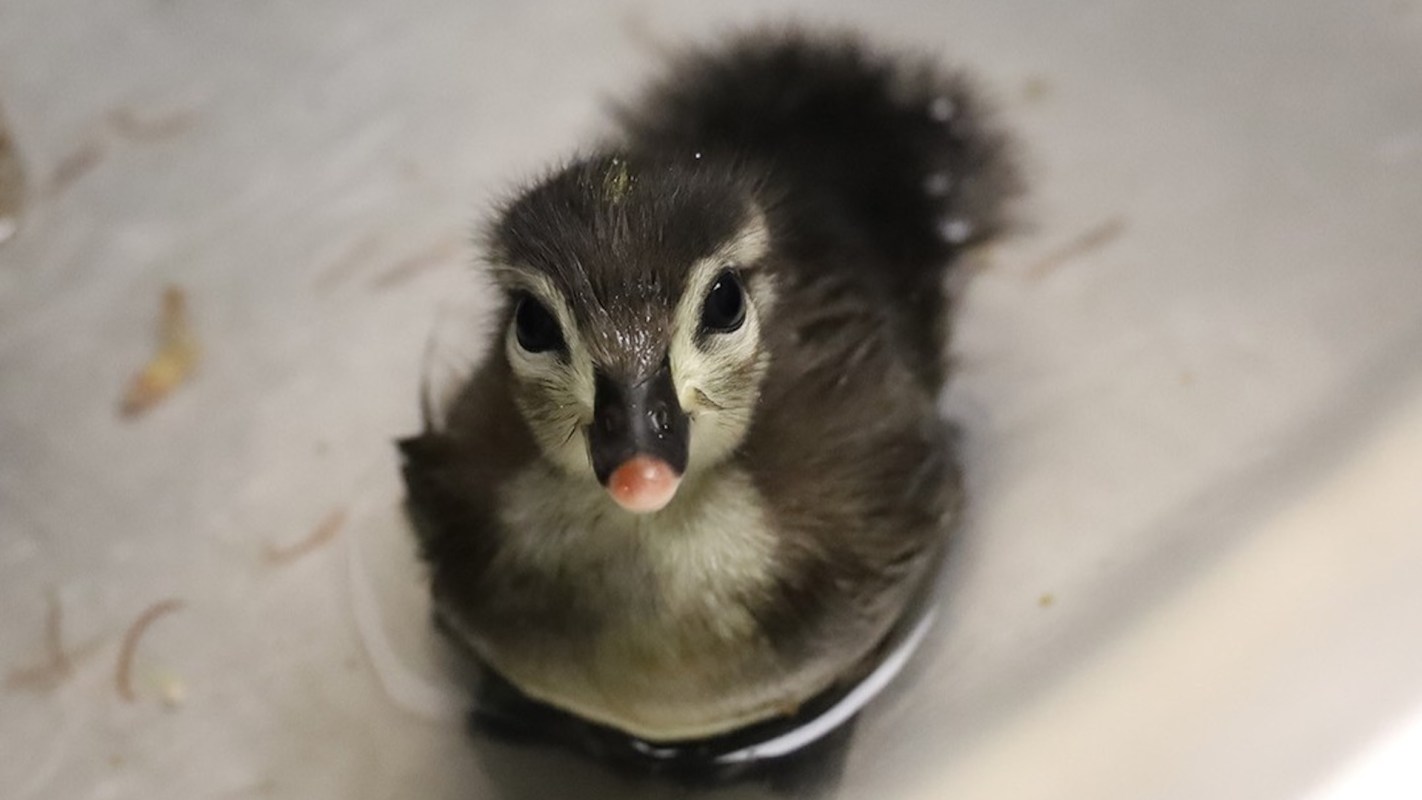
The Toronto Wildlife Centre started the week off with a feel-good update, sharing the story of two rescued ducklings and boosting the mood of thousands online.
What happened?
The Toronto Wildlife Centre (@torontowildlifecentre), a wildlife rehabilitation organization, shared close-up photos of the two young waterfowl after they were brought in alone. One of the babies was a hooded merganser, while the other was a wood duckling.
The images of the baby birds show off their adorable faces and fluffy features, even though the circumstances behind their presence at the center were more serious.
The organization explained, "Both these wee orphans had been left all alone, their parents nowhere to be found."
It added that they will be "raised with other ducklings until they're ready for life on their own."
"We hope these tiny waterfowl brighten your Monday as much as they brightened ours," it continued, before joking: "Warning: they may cause spontaneous smiling, and an overwhelming urge to share this post."
TCD Picks » Quince Spotlight
💡These best-sellers from Quince deliver affordable, sustainable luxury for all




Why does it matter?
Cute rescue posts can do more than brighten a social media feed. They can also remind people that young wild animals often need specialized help, especially in urban and suburban areas where nests can be disturbed and families separated.
For ducklings, being alone without a parent can quickly become dangerous, since they rely on adults for protection, warmth, and guidance.
Wildlife rehabilitation centers play an important role in giving orphaned animals second chances without turning them into pets or allowing them to become dependent on humans. In this case, raising the birds with other ducklings supports more natural development before release.
Posts like this one can also help normalize reaching out to experts when wild animals are in trouble. If you come across a lone baby bird or duckling, the best move usually is not to take it home or try to feed it, but to contact a licensed wildlife rehabilitator for guidance.

Get TCD's free newsletters for easy tips, smart advice, and a chance to earn $5,000 toward home upgrades. To see more stories like this one, change your Google preferences here.







