


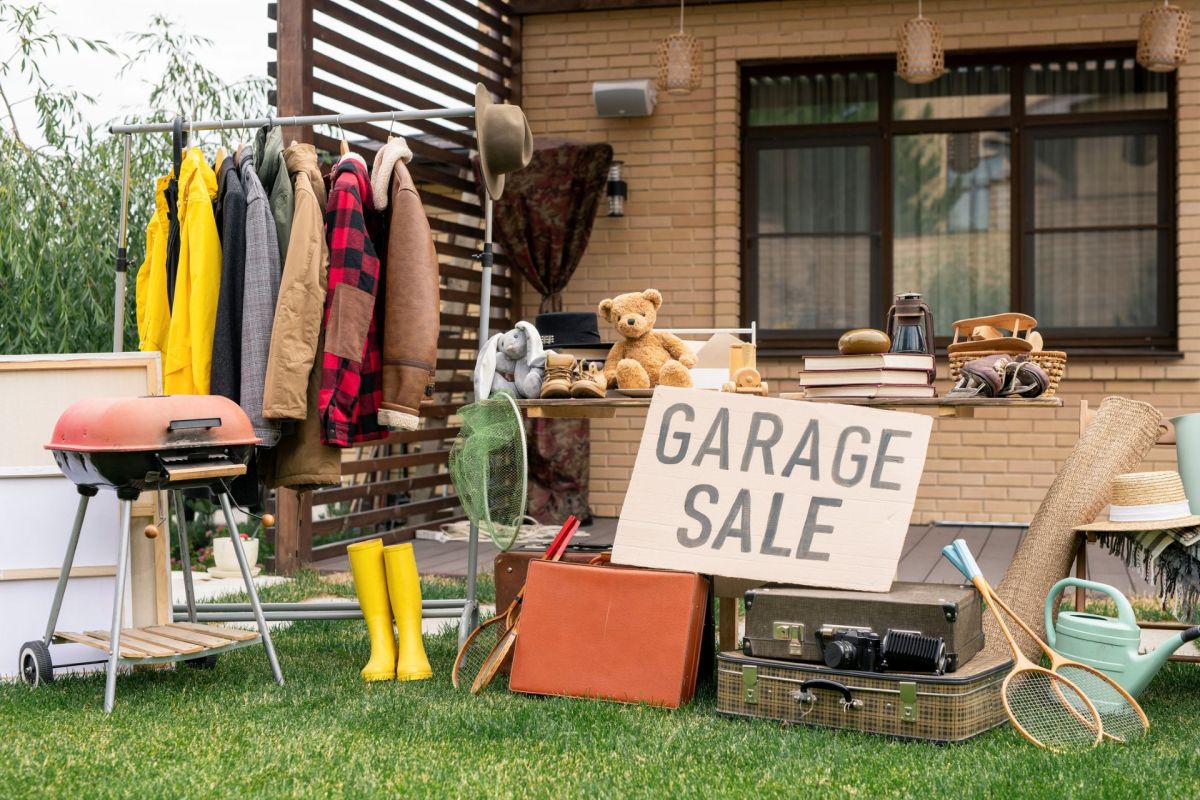
What locals may have once experienced as the periodic weekend garage sale is becoming a broader summer ritual in Anchorage. Residents across the city are joining forces to help people clear out unused items, spend less, and make the most of Alaska's short warm season.
What's happening?
Power tools, fishing gear, clothes, and lemonade were among the offerings when about 12 households in West Anchorage took part in a neighborhood sale on a recent Saturday, Marketplace reported.
More participating homes draw more shoppers, and more shoppers improve the odds that everyone goes home with something useful.
At one stop, shopper Grace Petersen took advantage of a deal that let her fill a brown paper bag with clothes for $10.
"We love to do this Saturday mornings," she told the economic news outlet.
Petersen also explained why secondhand shopping has become a necessity for her household.
TCD Picks » Quince Spotlight
💡These best-sellers from Quince deliver affordable, sustainable luxury for all




"My husband and I make a combined salary more than my parents ever did when I was growing up, and I felt like my parents were so much more comfortable and struggled way less than we do."
During Alaska's brief warm-weather season, more of these events are popping up around Anchorage. Resident Samantha Ruppert has even assembled a spreadsheet with roughly 30 sales in and around the city.
According to Marketplace, Ruppert organized her own larger local sale in early June in which many neighbors took part. She made about $1,800 over two days.
Why does it matter?
As consumer costs remain high, larger neighborhood yard sales can offer families a practical way to stretch their budgets.
Clothes, kids' gear, household basics, tools, and outdoor equipment often cost far less secondhand than they do new, and shoppers can sometimes come across rare or especially valuable items at steep discounts.
Petersen said buying that same bag of clothes new could have cost a couple hundred dollars. Even shoppers who are deliberate about chasing bargains are still feeling the strain of higher prices.
Buying secondhand keeps usable items in circulation longer, reducing waste while helping sellers bring in extra money.
There can be benefits beyond individual households, too. Josh Randall, director of media relations for the 127 Yard Sale — a multistate sale that stretches across U.S. Route 127 — told Marketplace that the event gives rural communities an economic boost by drawing drivers off major highways and into towns they might otherwise pass by.
There is also a community upside to these types of events. Ruppert said she met neighbors she had seen around for years but never really spoken to.
What can I do?
Neighborhood sales and thrift stores often carry clothing, kitchenware, furniture, sports equipment, and kids' items, many of which still have plenty of life left. When you get involved — as an organizer, a seller, a shopper, or all three — you can help families drive down household costs while saving items from the landfill.
One reason Anchorage's sales are working is coordination. When multiple households participate together, shoppers have more reason to stop, and sellers have a better chance of moving their items. Leveraging community calendars, neighborhood message boards, and church or school parking lots can all help make this happen.

Get TCD's free newsletters for easy tips, smart advice, and a chance to earn $5,000 toward home upgrades. To see more stories like this one, change your Google preferences here.






