


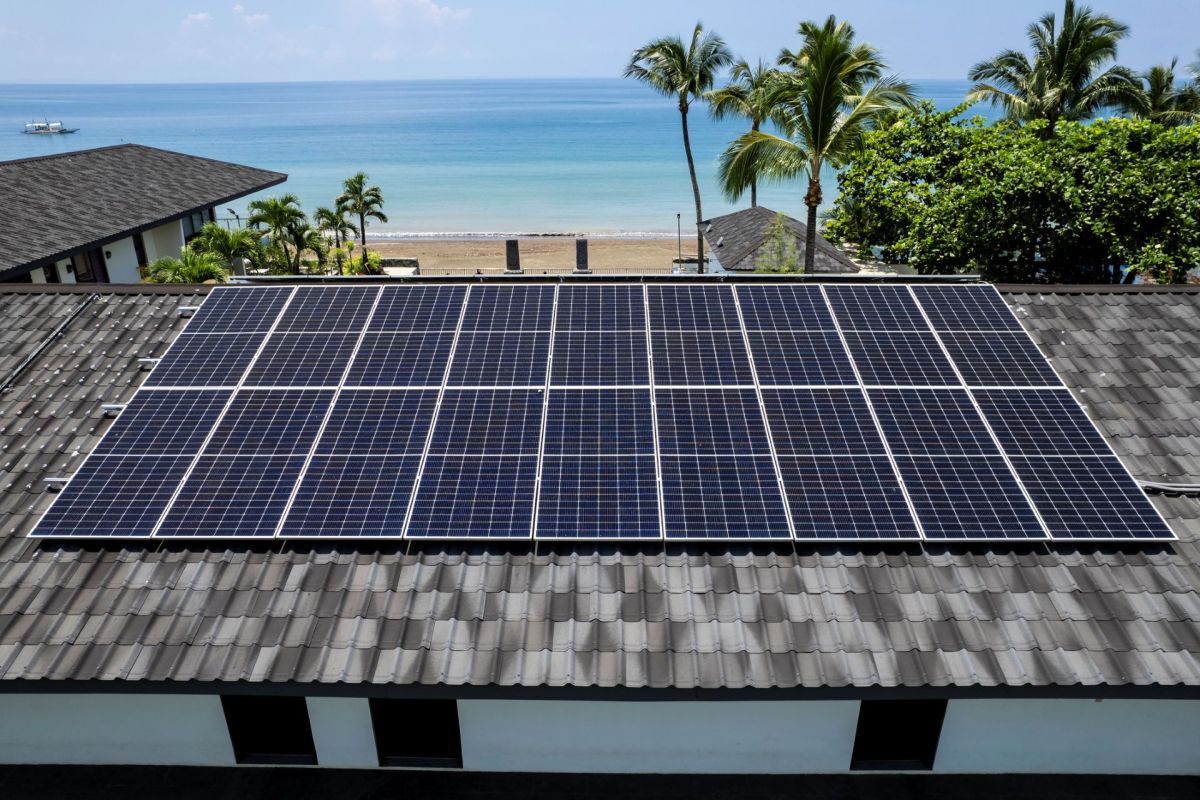
As electricity bills rise in the Philippines, more homeowners are turning toward solar panels for their energy supply.
Families are seeing the shift as a climate-friendly upgrade and a practical way to protect their monthly budgets.
What's happening?
Since the war in Iran began, the Philippines has become the world's biggest spender on solar panels, Reuters reported, as households rush to add rooftop systems in response to climbing power costs.
The strain on family finances is growing. Meralco, the country's largest power distributor, has increased rates by 10% since late February. A household using 200 kilowatt-hours now spends about 12% of its monthly income on electricity.
That is especially painful in a country with Southeast Asia's highest residential power prices and very limited subsidies.
The surge in demand is also visible in trade data: solar panel imports hit $407 million in the three months through May, which was 145% higher than a year earlier.
TCD Picks » Quince Spotlight
💡These best-sellers from Quince deliver affordable, sustainable luxury for all




For 39-year-old software engineer Adrian Sabatera, years of weighing solar ended when equipment prices dropped enough to justify the purchase. He moved ahead with an installation costing 570,000 pesos, or about $9,300.
Why is this solar switch promising?
Rooftop solar can turn a volatile monthly expense into something more predictable. When utility rates climb because of global fuel markets or currency swings, homes with solar are less exposed.
Because the Philippines relies heavily on imported coal and gas, a weaker currency drives up the cost of those fuels. That adds more pressure to household budgets. But solar gives homeowners a way to produce some of their own electricity instead of paying rising prices for every unit they use.
More rooftop solar can reduce demand for fossil fuel-generated electricity during the day, which can help curb harmful air pollution while also cutting planet-warming emissions. And because the systems generate power where they are used, they can help ease strain on the grid.
Even after the recent buying rush, solar still makes up less than 4% of national power consumption, suggesting there is still significant room for growth if adoption keeps rising.
What's being done?
Installers are already seeing the jump in interest. Reuters reported that Philergy German Solar, a Manila installer, received more than two-and-a-half times as many customer inquiries in the first five months of this year as it did a year earlier.
Within the next two years, loan payback times may fall from four years to 3.1 years, Reuters said, and distributed solar capacity in the Philippines could nearly triple to 3,500 megawatts.
The government does offer financing for rooftop systems of up to 500,000 pesos at 5% interest, but Reuters noted that private-sector workers are excluded, leaving many potential buyers without access. High upfront costs are also still a barrier.
For homeowners in the US who are weighing solar, tools such as EnergySage can help compare installer bids and lower the cost of going solar.
Sabatera said, "I wouldn't be shocked if a third of the middle-class population eventually finds their way to this setup."

Get TCD's free newsletters for easy tips, smart advice, and a chance to earn $5,000 toward home upgrades. To see more stories like this one, change your Google preferences here.






