


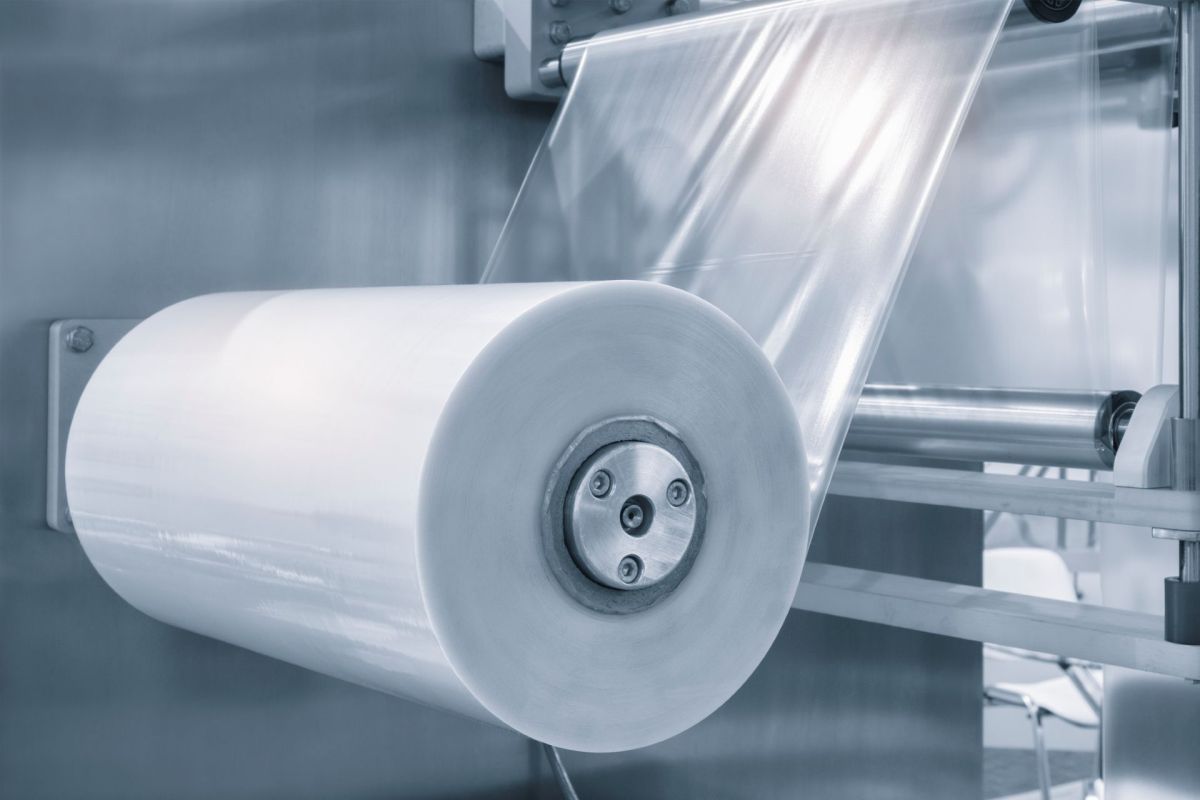
Turning flimsy household plastic wrap and pouches into new, high-quality film may sound far-fetched, but a new industry report suggests the process is already technically possible.
If that promise can hold at scale, it could play a major role in Europe's broader push to cut waste and use more recycled material in everyday packaging.
What's happening?
The Alliance to End Plastic Waste says a large advanced mechanical recycling plant focused on flexible plastics could turn household post-consumer material back into packaging applications such as shrink film, labels, and pouches with recycled content above 30%. As Packaging Gateway reported, the study examined a facility designed to handle 50,000 tonnes, or roughly 55,116 tons, per year.
The study team found that even flexible plastic waste — such as wrappers, bags, and film packaging, which has long been difficult to recycle — can be processed into high-quality recyclate using sensor-based sorting, hot washing, and double-melt filtration.
The report arrives as brands, retailers, and packaging manufacturers prepare for the European Union's Packaging and Packaging Waste Regulation, which is set to require 35% post-consumer recycled content in non-food packaging by 2030, according to Packaging Gateway.
Why does it matter?
Flexible packaging is used throughout daily life, from snack bags to shipping materials, so finding a practical way to recycle more of it could keep significant amounts of plastic out of landfills and the environment.
TCD Picks » Quince Spotlight
💡These best-sellers from Quince deliver affordable, sustainable luxury for all




It could also reduce demand for virgin plastic, which is typically made from fossil fuels and can contribute to harmful air pollution in communities near production facilities.
If manufacturers can source more high-quality recycled film from household waste, they may have a clearer path to meeting recycled-content requirements without relying as heavily on costly material changes or scarcer inputs. Stronger recycling systems could also help create a steadier supply of usable plastic while easing pressure on waste management systems.
The report said wider rollout will depend on more than the recycling equipment itself, however. It pointed to the need for policies, including effective extended producer responsibility programs, recycled-content requirements, and financial assistance.
Packaging Gateway reported that the study also recommended upgrading existing facilities instead of building entirely new ones and moving more sorting earlier in the process to centralized plastics recovery facilities.
What are people saying?
Alliance to End Plastic Waste president and CEO Jacob Duer said flexible plastic packaging is "one of the most challenging packaging formats to recycle at scale," but also "one of the most important to get right."
According to Packaging Gateway, Duer said, "The technology needed to produce high-quality recyclates already exists."
Still, he said the real obstacle is deployment: "The challenge now is scaling these solutions commercially through stronger alignment across the value chain, supported by the policy and financial enablers needed to unlock investment."

Get TCD's free newsletters for easy tips, smart advice, and a chance to earn $5,000 toward home upgrades. To see more stories like this one, change your Google preferences here.






