


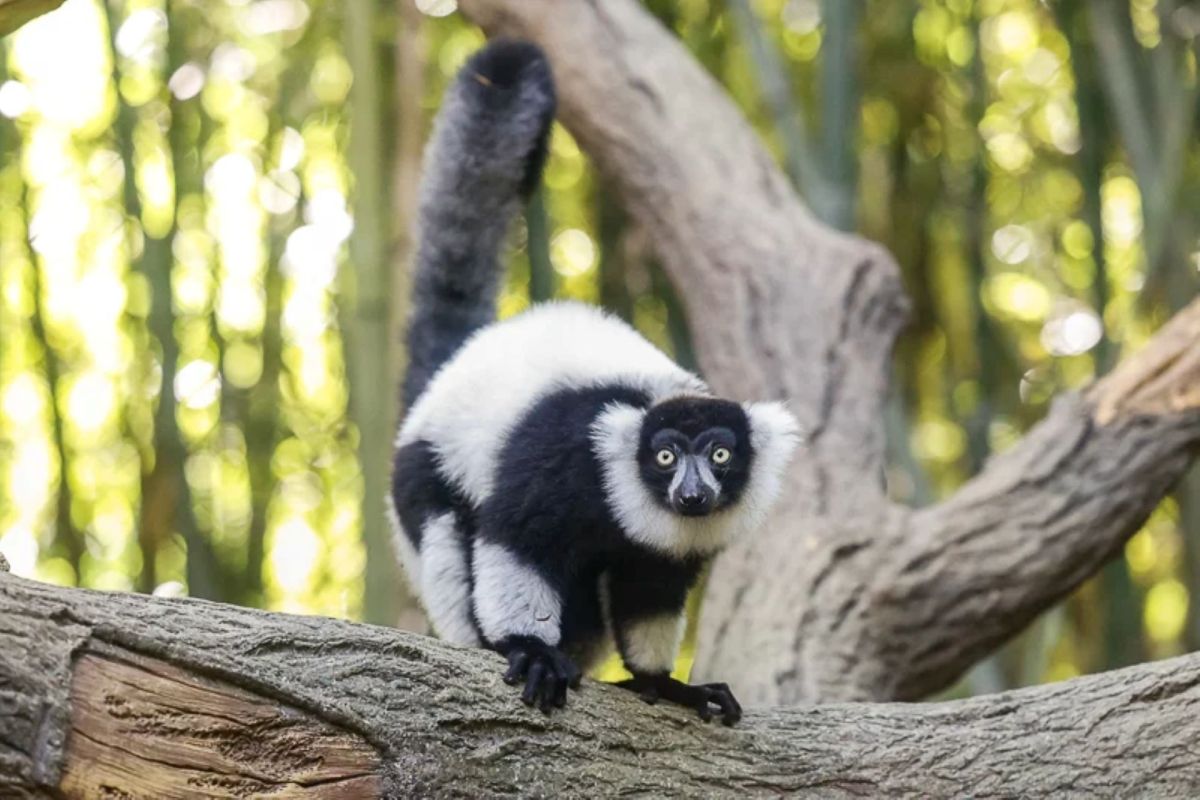
A proposed data center that would be built near the Nashville Zoo is facing pushback from local residents due to its massive size and location.
Opponents say the project's noise and lighting could unsettle rare animals, increasing stress and potentially disrupting breeding.
What happened?
As Fortune reported, Atlanta-based developer DC BLOX is proposing a 69,000-square-foot data center on land next to the Nashville Zoo, with a later second building planned at 261,000 square feet.
Home to more than 3,700 animals from 350 species, the zoo has challenged the proposal through a zoning appeal and is also examining whether endangered-species protections might apply.
Fortune noted that public attention grew after three-time Grammy Award-winning artist Brad Paisley posted videos encouraging Nashville residents to fight the project. In one clip, he called the proposed facility "an enormous monstrosity" and an "absolute eyesore."
In a follow-up video, Paisley connected the plan to his broader concerns about AI, explaining that the technology is trained on work from artists who receive no compensation and are not contacted for permission, per the outlet.
TCD Picks » Quince Spotlight
💡These best-sellers from Quince deliver affordable, sustainable luxury for all




"Now they're trying to build a data center, a monstrosity, next to the zoo kind of in the same way, where they're not asking for permission, and it's also going to really affect something here in Nashville that's one of the beloved parts of our town," Paisley said.
A petition launched by the zoo has surpassed 538,000 signatures.
DC BLOX, for its part, told Fortune in a statement that the facility "is designed to function as a digital connectivity hub and not as a large AI factory."
"It is this digital infrastructure that enables artists like Mr. Paisley to distribute and stream their music globally, engage with fans on social media, and utilize video platforms to share their voices," the statement to Fortune added.
Why does it matter?
One of the main concerns about the data center is the zoo's endangered species, Fortune noted. The zoo currently houses endangered clouded leopards, which are part of a breeding program, and Amur leopards, a species with fewer than 200 left in the wild. Environmental groups say nearby industrial activity could alter breeding behavior and heighten stress responses in protected animals.
The dispute reflects a broader tension around data centers across the country. While these facilities help power modern digital life, they can also impose steep energy demands and have local environmental impacts.
Fortune reported that United Nations researchers found that data centers consumed 448 terawatt-hours of energy last year — exceeding Saudi Arabia's national total — and that figure is expected to roughly double before the decade ends.
The debate is also feeding into local policy discussions, with Nashville's planning commission recently recommending zoning rules and a temporary moratorium on new data center projects, Fortune reported.

Get TCD's free newsletters for easy tips, smart advice, and a chance to earn $5,000 toward home upgrades. To see more stories like this one, change your Google preferences here.






