


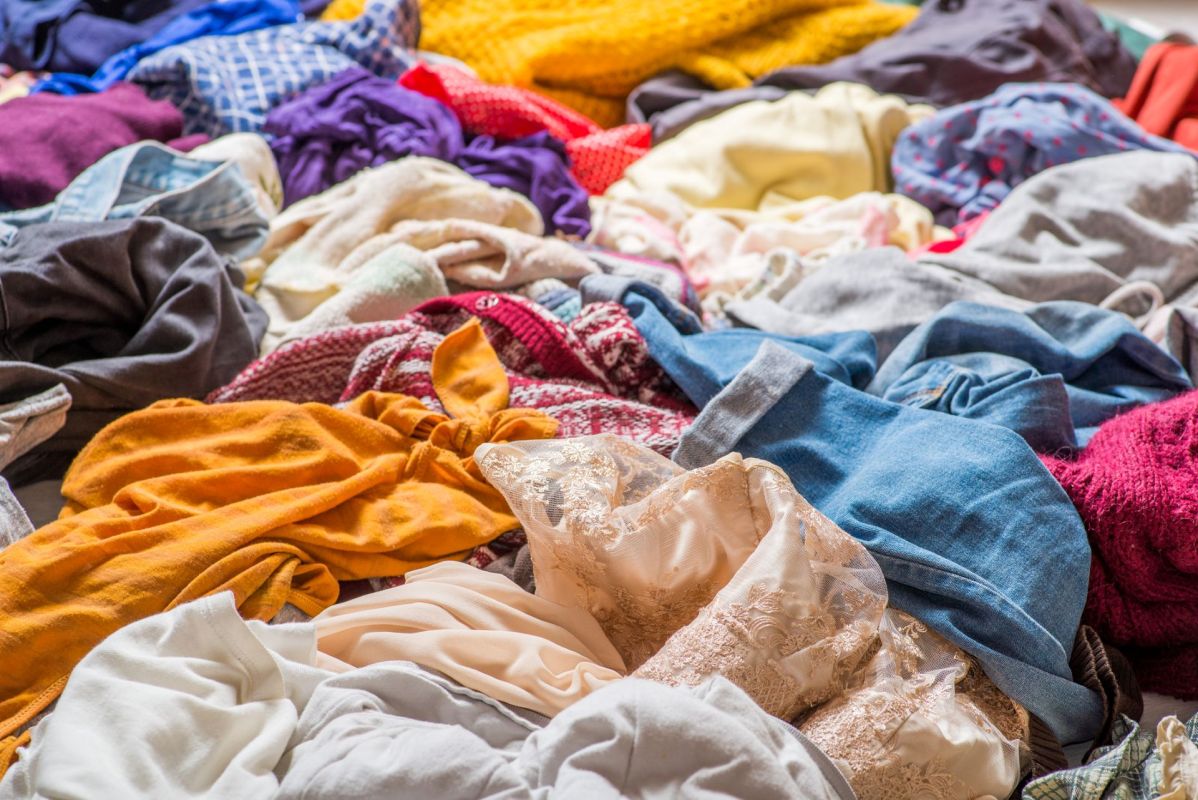
Roughly a full rubbish bag of clothing per resident ends up in New Zealand landfills each year, totaling more than 55,000 tons nationwide.
That landfill total also reflects a broader spending habit: households repeatedly buy very cheap clothes, use them briefly, and then discard them.
What's happening?
According to a Wellbeing Economy Alliance Aotearoa report highlighted by Stuff, annual clothing waste sent to New Zealand landfills exceeds 50,000 metric tons, or approximately 55,000 tons.
The report links that waste to the rise of ultra-fast-fashion retailers such as Temu and Shein.
Stuff also drew on Tearfund figures suggesting Temu has attracted about one in four New Zealand shoppers, while Shein has reached roughly 550,000 buyers.
Gareth Hughes, director of the Wellbeing Economy Alliance Aotearoa, said the pattern reflects a "more, more, more, faster, faster, faster fashion business model".
TCD Picks » Quince Spotlight
💡These best-sellers from Quince deliver affordable, sustainable luxury for all




The spending adds up fast. Using Stats NZ's 2023 Household Economic Survey, Stuff reported average weekly clothing-and-footwear spending of about $42.70 for Kiwi families and $50.80 for Aucklanders. Money Balance NZ estimates put the 2026 baseline at roughly $45 to $65 per week, depending on family size.
Why does it matter?
Fast fashion does not just create cluttered closets and overflowing landfills.
Cheap garments are often made from synthetic fibers, meaning they can shed microplastics, contribute to air pollution during production and shipping, and contaminate water systems through dyeing and textile treatment. The industry also has a long record of relying on poorly paid, exploitative labor.
Family budgets are part of the equation too. When clothes are made to be cheap rather than durable, shoppers may end up replacing them repeatedly. What looks like a bargain at checkout can become a costly habit over time.
Over ten years, a weekly clothing-and-footwear bill of about $50 would reach roughly $26,000 for an Auckland household, Stuff reported. It said that money could instead be invested or used to pay down mortgage principal.
What can I do?
On the policy side, France may offer one possible roadmap.
As one example, Stuff pointed to French Senate action in 2025 intended to curb ultra-fast-fashion advertising. Hughes added, "They also included an eco-tax on every item sold," though the law's final details are still being worked out.
Turning off shopping notifications, avoiding one-click purchases, and leaving items in your cart for a day can create some space between impulse and action.
Buying fewer, better-made pieces, repairing what you already own, and checking local secondhand options first can reduce waste and household spending.

Get TCD's free newsletters for easy tips, smart advice, and a chance to earn $5,000 toward home upgrades. To see more stories like this one, change your Google preferences here.






