


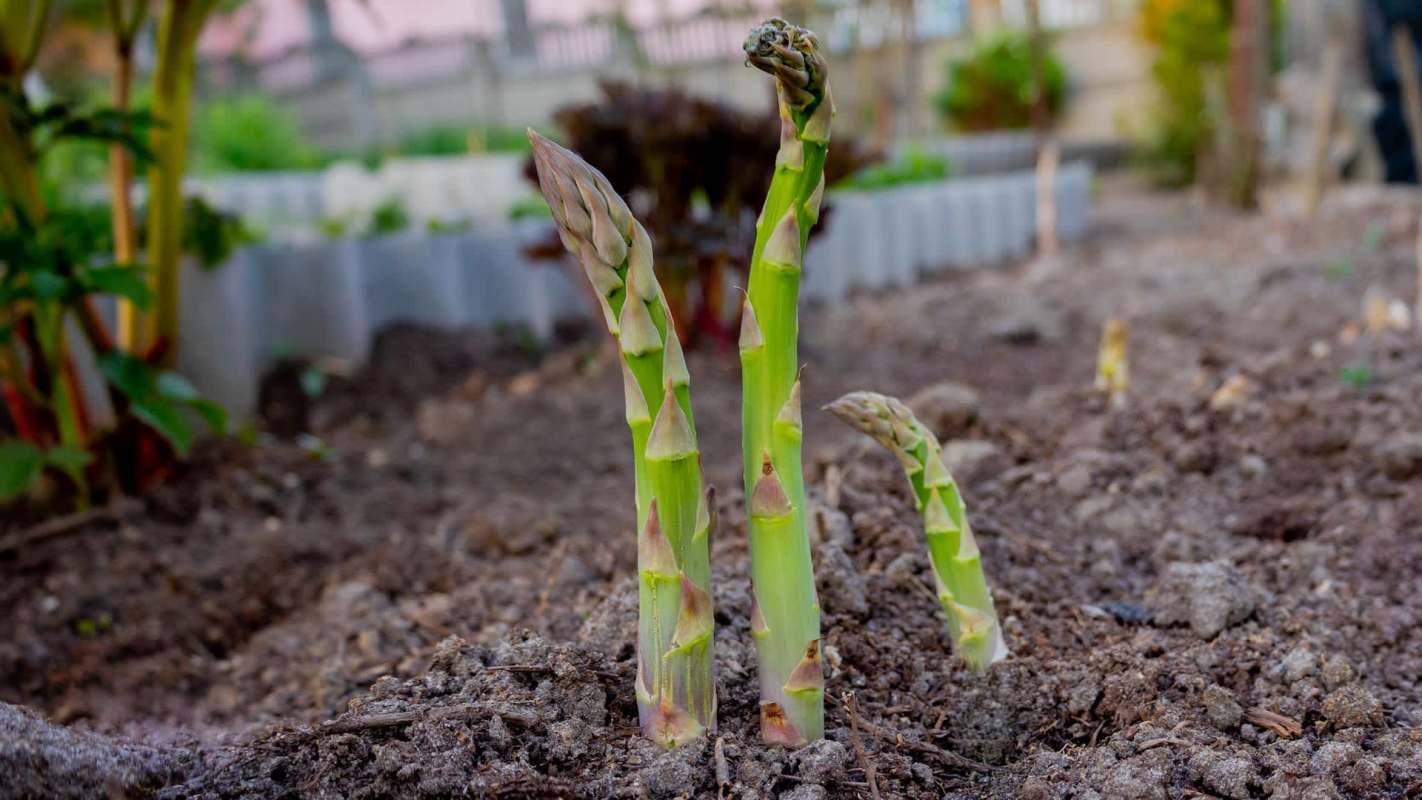
For gardeners, moving can mean more than packing up boxes — it can feel like leaving behind years of work, harvests, and carefully nurtured soil health.
A recent Reddit post captured that feeling. The gardener said years of effort had finally started to pay off: grapes and asparagus were thriving, raspberries, tomatoes, squash, and horseradish were producing well, and even the compost pile had become something worth mourning.
What happened?
In the Reddit post, the original poster wrote: "We're going to be moving soon but our current home has an established garden we've been working on for years."
The poster said the larger plantings were easier to part with, even "Piney," a 6-inch sapling they had watched grow to more than 30 feet tall. The harder part was imagining leaving behind the established food crops and the compost they had built up over time.
They later explained that the move was local and that the family plants of greatest sentimental value were houseplants they could bring along. Even so, they admitted, "I'm crushed thinking about it."
Replies mixed sympathy with practical triage. Commenters said berries, horseradish, and various perennials were among the likelier plants to survive a move, while asparagus was described as a difficult dig because of its deep roots. Squash, on the other hand, was widely seen as a poor transplant candidate.
TCD Picks » Quince Spotlight
💡These best-sellers from Quince deliver affordable, sustainable luxury for all




In other words, take what is feasible and make peace with leaving the rest for the next person.
Why does it matter?
Home gardens can hold real value, both financially and personally.
Established garden beds can help families cut grocery costs, especially when they produce high-yield foods such as tomatoes, squash, berries, and herbs. Many gardeners also say homegrown produce tastes better than what they buy at the store.
Losing a mature garden can also mean losing a food source, a hobby, and a place of comfort all at once. Another worry raised in the comments was that the next owners might not value the garden in the same way. One person wrote about their own experience, saying, "The new owners (the Philistines) bulldozed the gardens and replaced them with turf. It is heartbreaking."
Many gardeners become attached not only to individual plants but also to the living systems they have built over time, including compost, pollinator-friendly spaces, and chemical-free growing practices.
What can I do?
Fellow gardeners offered several practical suggestions.
Start by deciding what is actually practical to move. Commenters mentioned dividing certain perennials, taking tomato cuttings, and bringing small sections of horseradish root. For those starting over in a new space, The Cool Down's Guide has a section on growing your own food.
Some gardeners also suggested carrying over a small piece of the garden's soil life. Taking a bit of finished compost to the new home may help transfer some of the microbial ecosystem you have built.
Commenters also flagged the legal side. Plants and other landscaping set in the ground may count as part of the property unless the sale paperwork says otherwise, so several people recommended specifically reserving any sentimental plants in the documents.
Others encouraged sellers to help set up the next owner for success. As one commenter wrote, "I try to leave every place I've visited/lived better off than it was before... I do print off a diagram detailing what is planted and where with some helpful tips."

Get TCD's free newsletters for easy tips, smart advice, and a chance to earn $5,000 toward home upgrades. To see more stories like this one, change your Google preferences here.






