


For millions of Americans, a homeowners association means more than rules about paint colors or lawn care. In some cases, it can bring steep fines, prolonged legal battles, and even the risk of losing a home.
Georgia is now pushing back after years of complaints that HOA boards wielded too much power over residents.
What happened?
On May 12, Georgia Governor Brian Kemp signed the Georgia Property Owners' Bill of Rights Act, a sweeping HOA reform package meant to increase transparency and accountability.
As WhoWhatWhy reported, it passed with strong bipartisan support.
Homeowners can now inspect association records and obtain copies, and property owners' associations must register with the Secretary of State.
It also doubles the debt threshold for HOA foreclosure actions, raising it from $2,000 to $4,000.
TCD Picks » Quince Spotlight
💡These best-sellers from Quince deliver affordable, sustainable luxury for all




A homeowner who files a written complaint with the Secretary of State can now pause collection efforts related to that dispute while the state investigates and assigns a hearing officer. The change gives residents an alternative to costly court fights.
Cases like that of Florida resident Irena Green helped fuel the frustration behind the legislation.
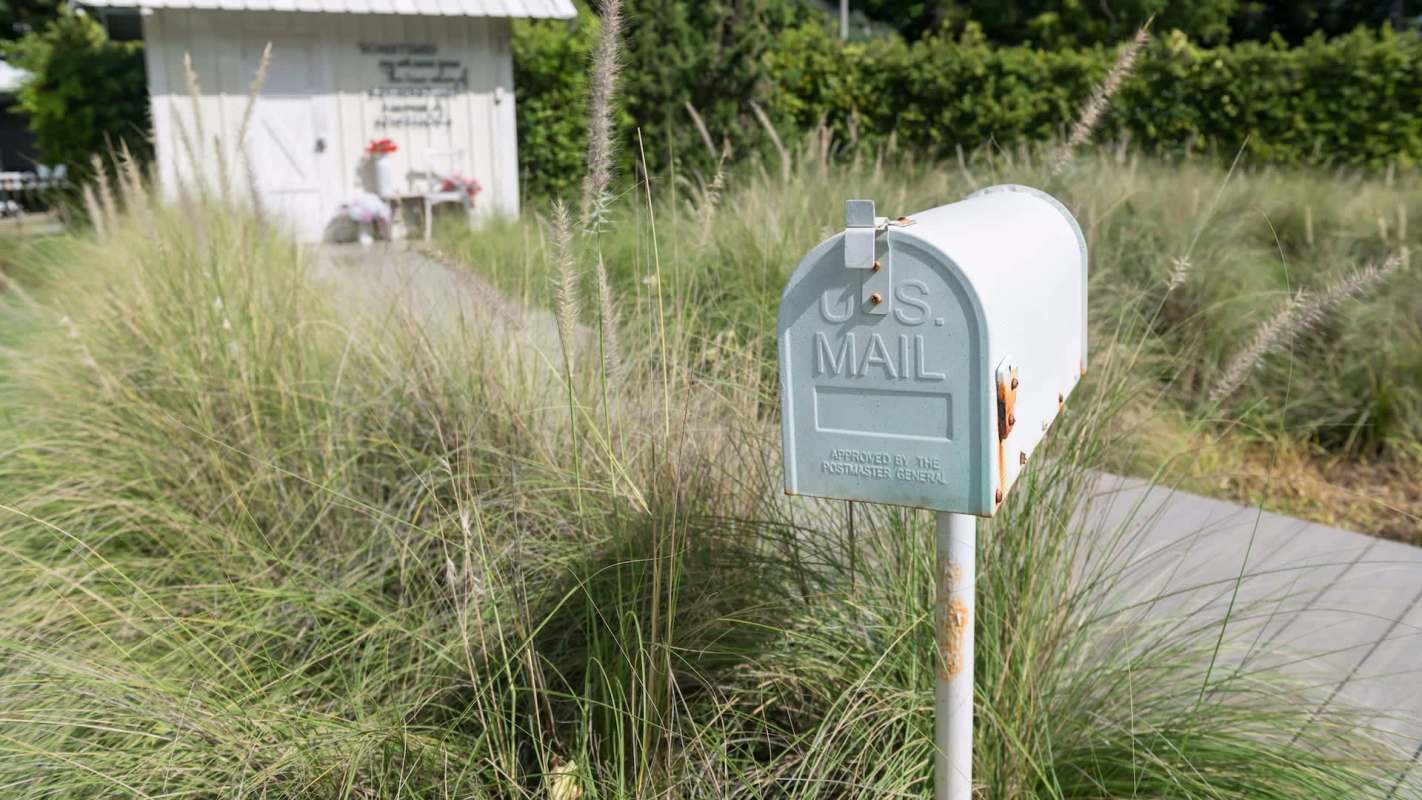
Green spent seven days in jail over issues including untrimmed grass, damage to her garage door, and a dirty mailbox, before also facing the risk of foreclosure.
Why does it matter?
HOA rules affect a vast share of the country: About 77 million people, or roughly one-third of the U.S. population, live in an HOA, condo, or housing cooperative.
Discontent is common, too. In a recent survey, 57% of HOA residents said they did not like living under one, with poor management and unaccountable boards among the biggest complaints.
Patrick Johansen, founder of HOA Reform Leaders National Group, described the imbalance this way: "The way the laws are set up in almost every state, there are no penalties in the law for board members or property managers that knowingly violate the laws of the governing documents."
For homeowners hoping to lower utility bills or reduce water use, restrictive bylaws can become a major obstacle. Residents can navigate those restrictions by learning more about their rights and strategies for working with HOAs.
What's being done?
Georgia's new law is now being watched as a possible model for other states. State Senator Donzella James, a key supporter of the bill, said that there has already been interest from Pennsylvania, Florida, and Texas.
Minnesota has taken a similar step with its own HOA Residents' Bill of Rights. The measure caps fines and requires board members and property managers to step aside when conflicts of interest are possible.
As Johansen put it, "It doesn't make sense to write anything if no one is enforcing it."
James was even more direct: "I think this Senate Bill 406 passing and becoming a law now is the best thing if you want to save your American dream of homeownership."

Get TCD's free newsletters for easy tips, smart advice, and a chance to earn $5,000 toward home upgrades. To see more stories like this one, change your Google preferences here.






