


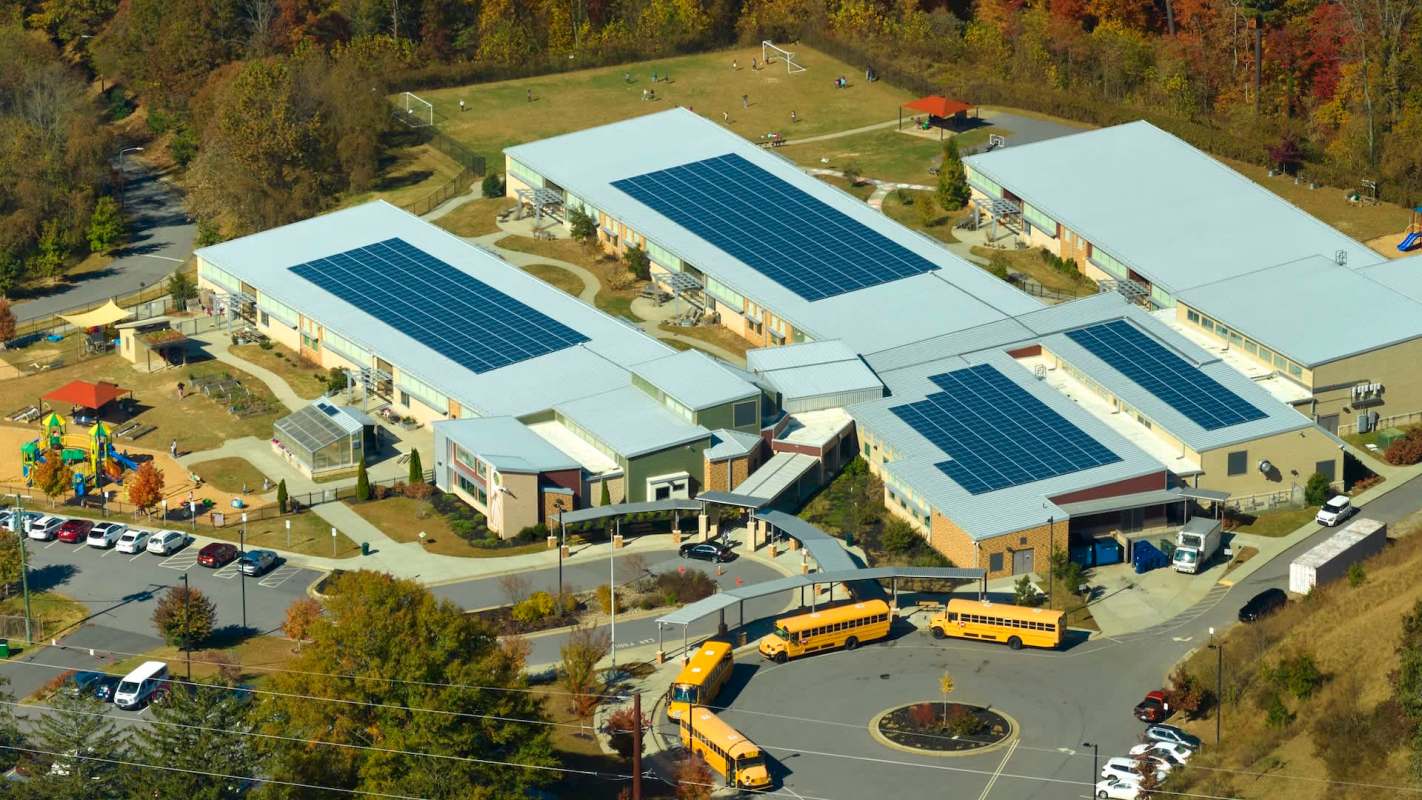
Pennsylvania schools, airports, and other public institutions are scrambling to secure federal clean energy funding before a looming deadline changes which projects remain financially realistic.
Some energy projects are expected to make it through in time. Others have already pulled back.
What's happening?
The One Big Beautiful Bill Act has compressed what had been a multiyear planning window for renewable energy developers seeking investment tax credits expanded under the Inflation Reduction Act, per Spotlight PA.
For many Pennsylvania projects, developers must now spend at least 5% of projects' total costs by July 4, 2026.
This threshold preserves four additional years of construction eligibility. Projects that do not reach that benchmark generally must be fully operational by the end of 2027, per Inside Climate News.
That accelerated timeline is especially difficult for public-sector projects, which often face lengthy approval, budgeting, and permitting processes.
TCD Picks » Quince Spotlight
💡These best-sellers from Quince deliver affordable, sustainable luxury for all




State Rep. Elizabeth Fiedler, who reportedly spearheaded Pennsylvania's Solar for Schools program, described the federal cuts to Spotlight PA as "cruel and short-sighted."
Why does it matter?
School solar projects can free up money for classrooms while helping districts protect themselves against rising electricity costs. Municipal projects can cut pollution, stabilize energy bills, and help cities work toward climate goals.
Inside Climate News reported that Pennsylvania ranked 49th nationally in 2024 for the share of its power that came from renewables.
David Masur, executive director of PennEnvironment, told the outlet that grid backlogs, weak state incentives, and increasing political resistance have turned the state into the "Bermuda Triangle" for clean energy. Now, he said, the rollback of federal support "becomes like death by a thousand cuts."
When clean energy projects are delayed or canceled, communities can lose out on local jobs, improvements in air quality, and chances for schools and local governments to shield taxpayers from volatile energy markets.
Some organizations are trying to move faster. Yet, only time will tell which projects end up crossing the finish line before funding dries up.

Get TCD's free newsletters for easy tips, smart advice, and a chance to earn $5,000 toward home upgrades. To see more stories like this one, change your Google preferences here.






