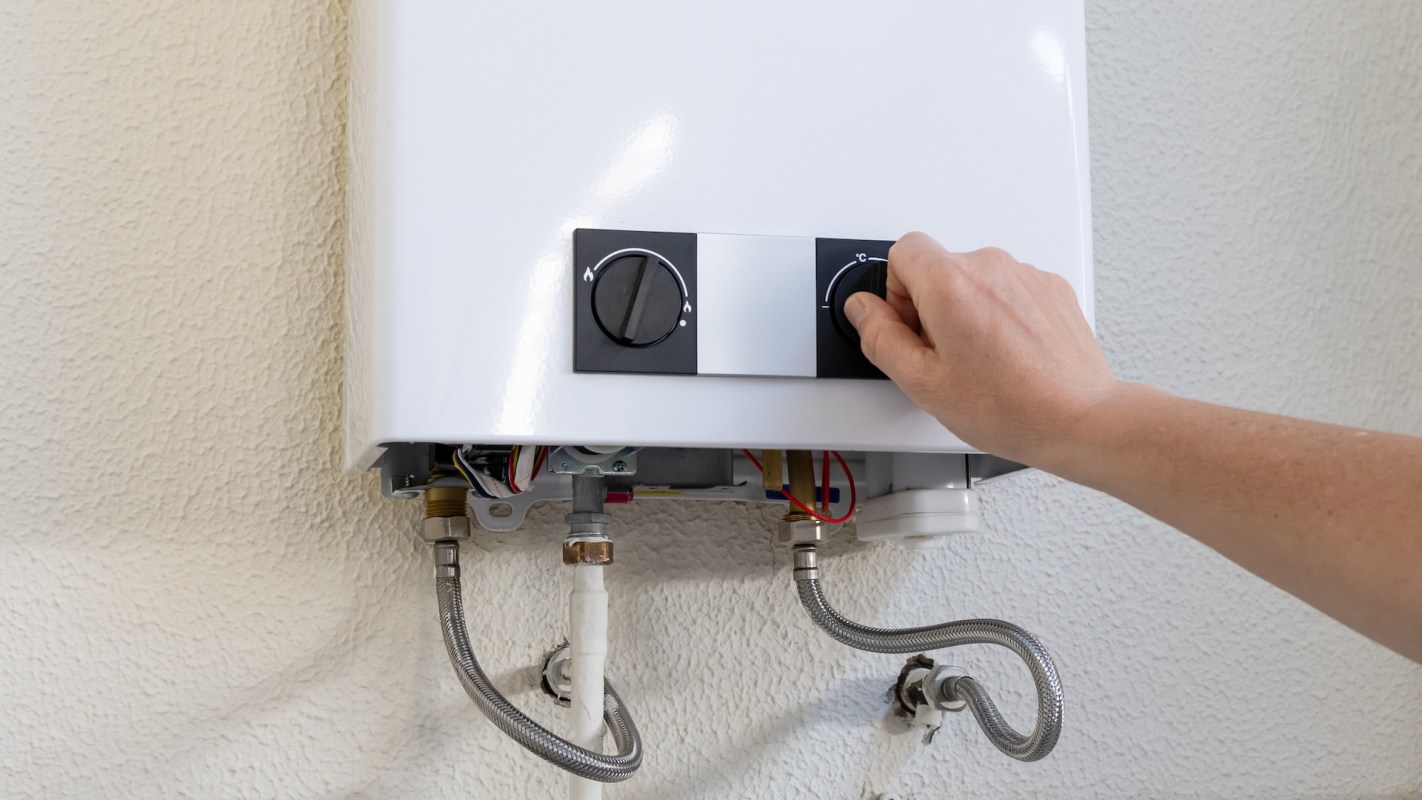
If your shower takes forever to warm up, switching from a tank water heater to a tankless model may not fix the problem.
One homeowner's question prompted a reminder that the real culprit is often the plumbing run itself, not the water heater.
If you're already thinking about replacing an aging unit, a heat pump water heater may offer a better reason to upgrade than the promise of faster hot water by helping you save money on utility bills.
What's happening?
Before choosing a replacement, one homeowner was weighing two very different experiences.
"At a previous house (that was a lemon and went through 3 hot water heaters), the tankless hot water heater would take 1-2 minutes to get hot water to the shower, while the tank hot water heaters would be 10-20 seconds," they wrote. "The tankless and tank hot water heaters were installed in the same place, and it was the same shower."
Rather than pointing to tankless equipment as the cause, commenters in the discussion on Reddit said the bigger factor is usually the plumbing distance to the fixture and the cooled water sitting in the line.
One used the phrase "cold water sandwich" for the stretch of cooler water between the heater and the tap.
Switching from one type of water heater to another will not automatically make hot water arrive faster if the plumbing layout stays the same.
Save $10,000 on solar panels without even sharing your phone number Want to go solar but not sure who to trust? EnergySage has your back with free and transparent quotes from fully vetted providers in your area. To get started, just answer a few questions about your home — no phone number required. Within a day or two, EnergySage will email you the best options for your needs, and their expert advisers can help you compare quotes and pick a winner. Solar panels can save you more than $50k over their 25-year lifespan, and EnergySage can help you save as much as $10k on installation. Which begs the question — isn't that worth an email or two? |

Why does it matter?
Homeowners can end up spending money on an upgrade without actually solving the problem they set out to fix.
Tankless systems may still appeal because of their endless hot water supply and space-saving design, but they do not override the basic realities of how water moves through pipes.
Letting a faucet or shower run longer each day can add up on monthly utility bills, especially in larger homes where bathrooms are far from the heater.
If the main goal is reducing energy use, a heat pump water heater may offer more direct savings.
If the goal is cutting down on wait time, the Reddit discussion suggested the better fix may be recirculation or changes to pipe layout rather than the heater type alone.
What can I do?
Across the discussion, recirculation came up repeatedly as the most practical answer.
As one person wrote, "If you install a recirculating pump you should be able to get hot water in ~5 seconds. I do, and my hot water heater is ~85-90' feet away from my master bath."
Commenters also mentioned recirculation products from Navien, Rinnai, and Rheem, including built-in systems and retrofit kits. For many households, that kind of add-on may do more to improve day-to-day convenience than replacing a unit with a tankless model alone.
If you're starting from scratch, it may also be worth considering heat pump options such as those from Cala. A heat pump water heater doesn't generate heat by burning fuel; instead, it harnesses ambient air to move heat to where it's needed. It's a much more efficient process that reduces the need for polluting fuels and can save you money on energy bills.
Cala's heat pump water heater can also learn a household's routine and heat water exactly when it's needed, reducing wasted energy.
That kind of approach can help households modernize their systems and get a steady supply of hot water.

Get TCD's free newsletters for easy tips, smart advice, and a chance to earn $5,000 toward home upgrades. To see more stories like this one, change your Google preferences here.