


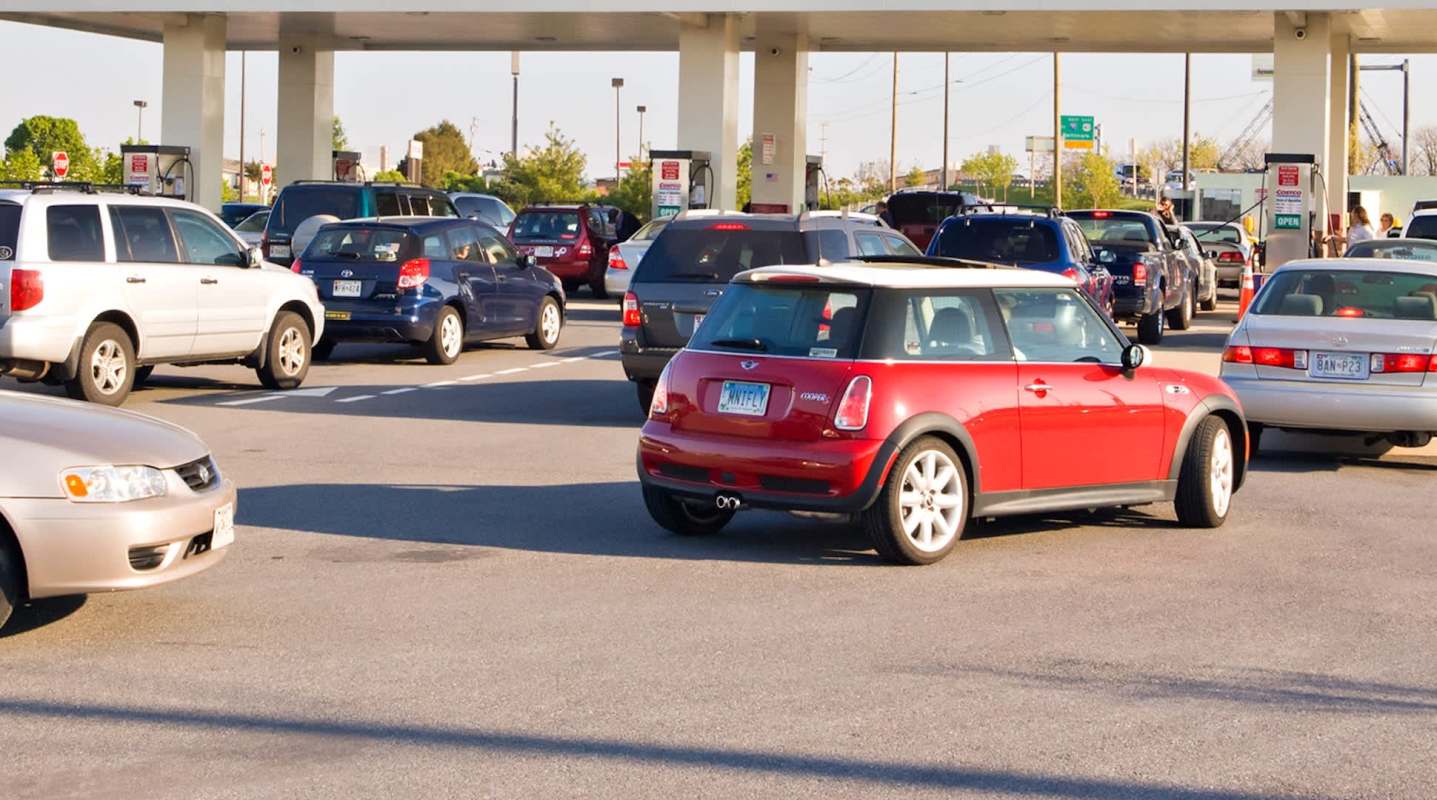
This year's July 4 getaway could bring an unprecedented number of travelers, and the trip might become costly for many Americans.
Gas has come down from its spring peak, but drivers are still facing what is likely to be the second-priciest Independence Day stretch ever at the pump.
What's happening?
AAA is forecasting a record holiday travel period, with 72.2 million people expected to go at least 50 miles from home between June 27 and July 5, according to WRAL.
Most of those travelers are expected to drive, even as fuel prices remain elevated.
On June 29, the national average for gas stood at $3.86 a gallon, down from about $4.50 in May. Even after that decline, the only more expensive July 4 travel period for drivers was 2022, when gas rose above $5 a gallon in mid-June.
In Raleigh, North Carolina, AAA reported that regular unleaded averaged about $3.52 a gallon on the morning of June 29. With more than 2 million North Carolinians expected to travel by car over the holiday, the situation is troubling.
TCD Picks » Quince Spotlight
💡These best-sellers from Quince deliver affordable, sustainable luxury for all




The public is responding to the higher costs. One resident, Maurice Gabriel, told WRAL his family is taking fewer trips this year because getting around has become more expensive.
Why does it matter?
Holiday travel is one of the biggest discretionary expenses of the summer, but modest increases in gas prices can reshape plans.
Higher fuel costs are also arriving at the same time as pricier food, lodging, and airfare, adding more pressure to household budgets.
Some travelers are choosing destinations closer to home, shortening trips, or skipping travel altogether. Gabriel told WRAL that his family is driving more instead of flying, even though gas is expensive, because airfare is still worse.
Gasoline price spikes reflect a dependence on volatile fossil fuel markets. When oil and gas costs swing, family budgets swing with them.
What can I do?
Comparing gas prices before filling up, combining errands, avoiding aggressive driving, and keeping tires properly inflated can help stretch a tank further.
Travelers could also cut costs by choosing destinations closer to home, shortening hotel stays, or traveling during off-peak times.
Reducing dependence on fossil fuels can make households less vulnerable to these recurring price shocks. That could mean considering a more efficient vehicle when it is time for a replacement, using public transit or carpooling when practical, or exploring home energy options that rely less on gas-fired electricity and more on solar and wind.
Home solar paired with an electric vehicle is one option that can shield you from the volatility of gas or diesel prices. Charging a battery with electricity is already cheaper than refueling at the pump, but doing so with cheaper energy generated by harnessing solar power could be even more cost-effective.
"We've actually cut back," Gabriel said. "We normally take about five to six trips, but this year we're probably going to only do three because of gas prices and airfare."
As driver Joseph Adileh told the publication, "I am cutting on my spending, because it's not just gas prices that are high. Everything is high."

Get TCD's free newsletters for easy tips, smart advice, and a chance to earn $5,000 toward home upgrades. To see more stories like this one, change your Google preferences here.






