


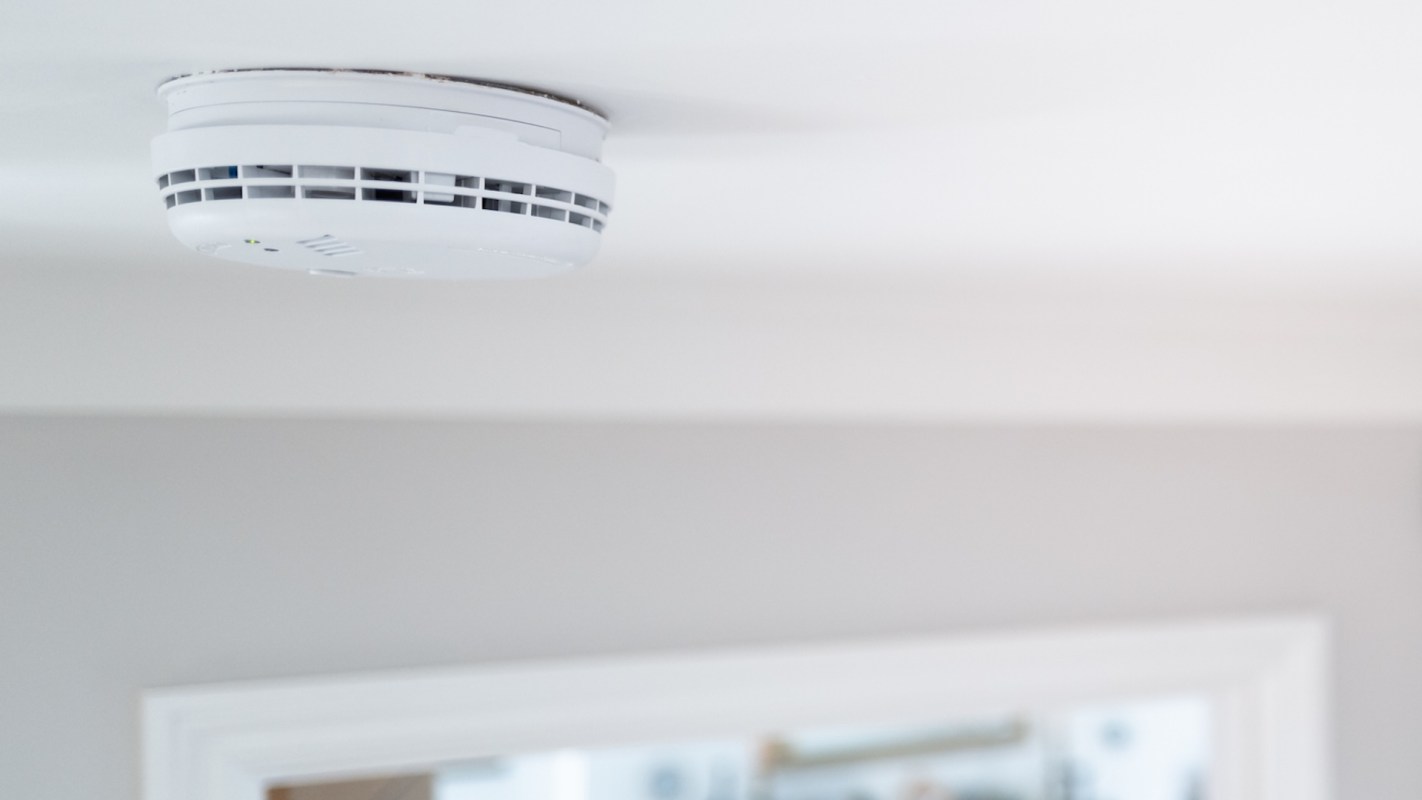
There's a new recall for combination smoke and carbon monoxide detectors sold on Amazon after regulators said the devices might not warn users about a fire.
What happened?
A smoke detector that fails to sound an alarm can turn a small household emergency into a life-threatening situation.
The U.S. Consumer Product Safety Commission has recalled Treatlife Smoke and Carbon Monoxide (CO) Detectors because the alarms can fail to alert users to a fire.
In its notice, the CPSC said that the defect is "posing a risk of serious injury or death from smoke inhalation or burns."
To identify the recalled units, check the label on the bottom for FCC ID "2ANDL-XR3" and the manufacture date "2023.DEC.02." The detectors are circular, white, powered by AA batteries, and have both a test button and a colored indicator light.
Treatlife Technology Co. Ltd., of China, sold the detectors on Amazon.com for about $40 between November 2025 and April 2026.
TCD Picks » Quince Spotlight
💡These best-sellers from Quince deliver affordable, sustainable luxury for all




Thankfully, at the time of the recall, the CPSC said no incidents had been reported.
Why does it matter?
Smoke and CO alarms are designed to provide early warning in an emergency. If a detector remains silent, people can lose precious time to escape, call for help, or wake others in the house.
The risk can be greater at night, when residents may not notice smoke until conditions have worsened.
Products sold through major online marketplaces can still be subject to safety recalls. Federal law also bars the sale of products covered by a Commission-ordered recall or a voluntary recall arranged with the agency.
What can I do?
If you own one of these alarms, the CPSC said to keep using it until you have bought and installed a replacement, and then contact Treatlife Technology for a full refund.
After the replacement is installed, the CPSC says consumers should mark the old unit with the word "recalled," remove the batteries, put the detector in the household trash, and dispose of the batteries as designated by local and state rules.
Anyone who owns one of these alarms should check the bottom label carefully for the matching FCC ID and manufacturing date.

Get TCD's free newsletters for easy tips, smart advice, and a chance to earn $5,000 toward home upgrades. To see more stories like this one, change your Google preferences here.






