


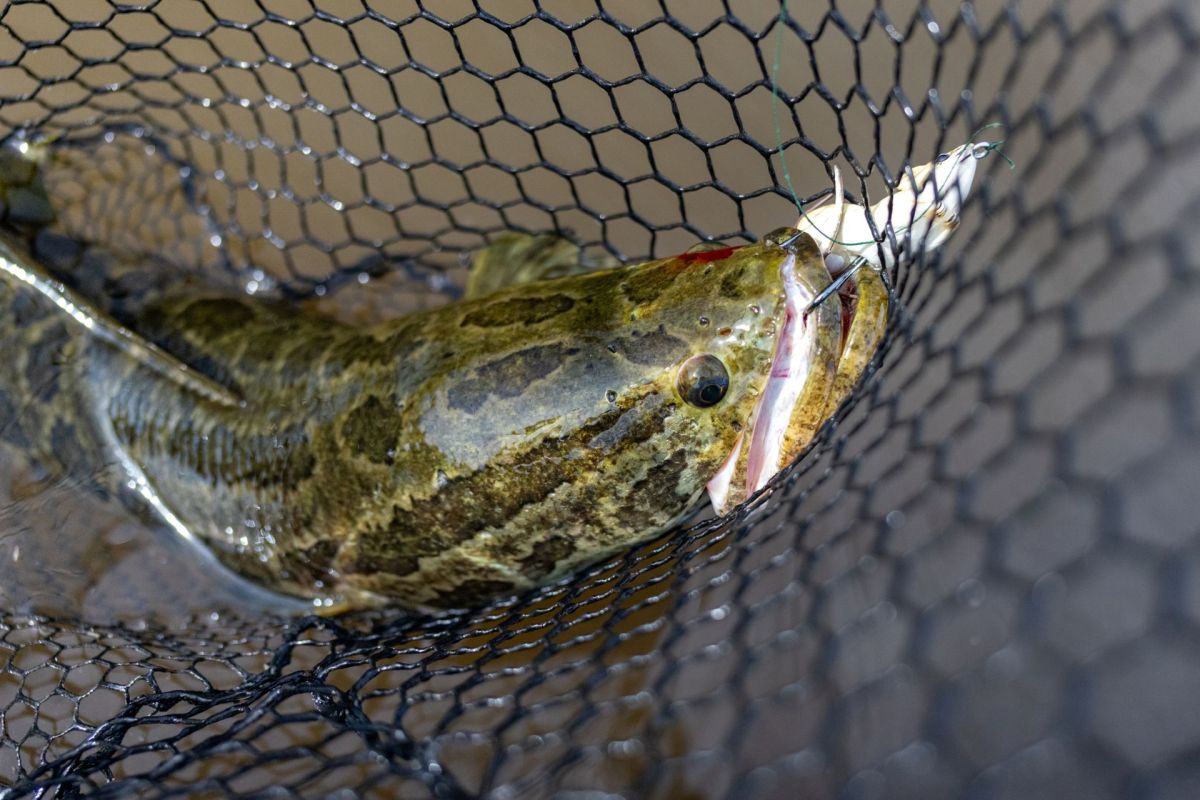
Anglers in Pennsylvania are again being told to watch for northern snakeheads, the invasive fish known as "Frankenfish." One reason the species is so hard to deal with is that it can survive for up to four days out of the water when it remains moist.
So leaving a caught snakehead on the shoreline may not be enough to keep it from getting away.
What happened?
Recent coverage has highlighted how difficult the species can be to control. According to PhillyBurbs, citing the Pennsylvania Fish and Boat Commission, northern snakeheads have been found in the Delaware, Schuylkill, and Susquehanna rivers, along with connected creeks, tributaries, and ponds.
Although the fish is native to Russia and China, sightings in this region go back more than two decades. The Pennsylvania Fish and Boat Commission says a pair was first found in a Maryland pond in 2002, and another pair turned up two years later in a pond at Philadelphia's FDR Park. More recently, a fisherman caught one in Bensalem's Neshaminy Creek last summer, PhillyBurbs reported.
Part of the alarm around the species comes from what it can do out of the water. Northern snakeheads can breathe air, move over land with a wriggling motion, and have sharp teeth.
Wildlife officials say anglers who catch one should not release it or simply leave it on shore, because "it could wriggle back into the water."
TCD Picks » Quince Spotlight
💡These best-sellers from Quince deliver affordable, sustainable luxury for all




Why does it matter?
Invasive predators can throw ecosystems out of balance, with consequences for communities that rely on healthy waterways for recreation, fishing, and restoration efforts.
Competition with native species is a major concern. As the Pennsylvania Fish and Boat Commission warns, "Northern snakeheads are a predatory fish and will compete with other fish species for forage and habitat." Each new waterway where they establish themselves can put added pressure on native fish populations.
Federal officials have said complete eradication is no longer realistic in many places. The fish can sometimes be cleared from small, isolated ponds, but the broader strategy now is to contain their spread and limit the damage they cause.
Officials say the species likely reached the Mid-Atlantic through live food markets and through people releasing snakeheads bought from pet stores into local waters.
What are people saying?
In guidance for anglers, the U.S. Fish & Wildlife Service has stressed one key point about the species: "Remember, this fish is an air breather and can live a long time out of water."
The agency has also warned that snakeheads "were deliberately purchased and released into local waterways by humans" and that, "Once established, the fish rapidly expanded throughout interconnected watersheds — like the Chesapeake Bay and Delaware River."

Get TCD's free newsletters for easy tips, smart advice, and a chance to earn $5,000 toward home upgrades. To see more stories like this one, change your Google preferences here.







