


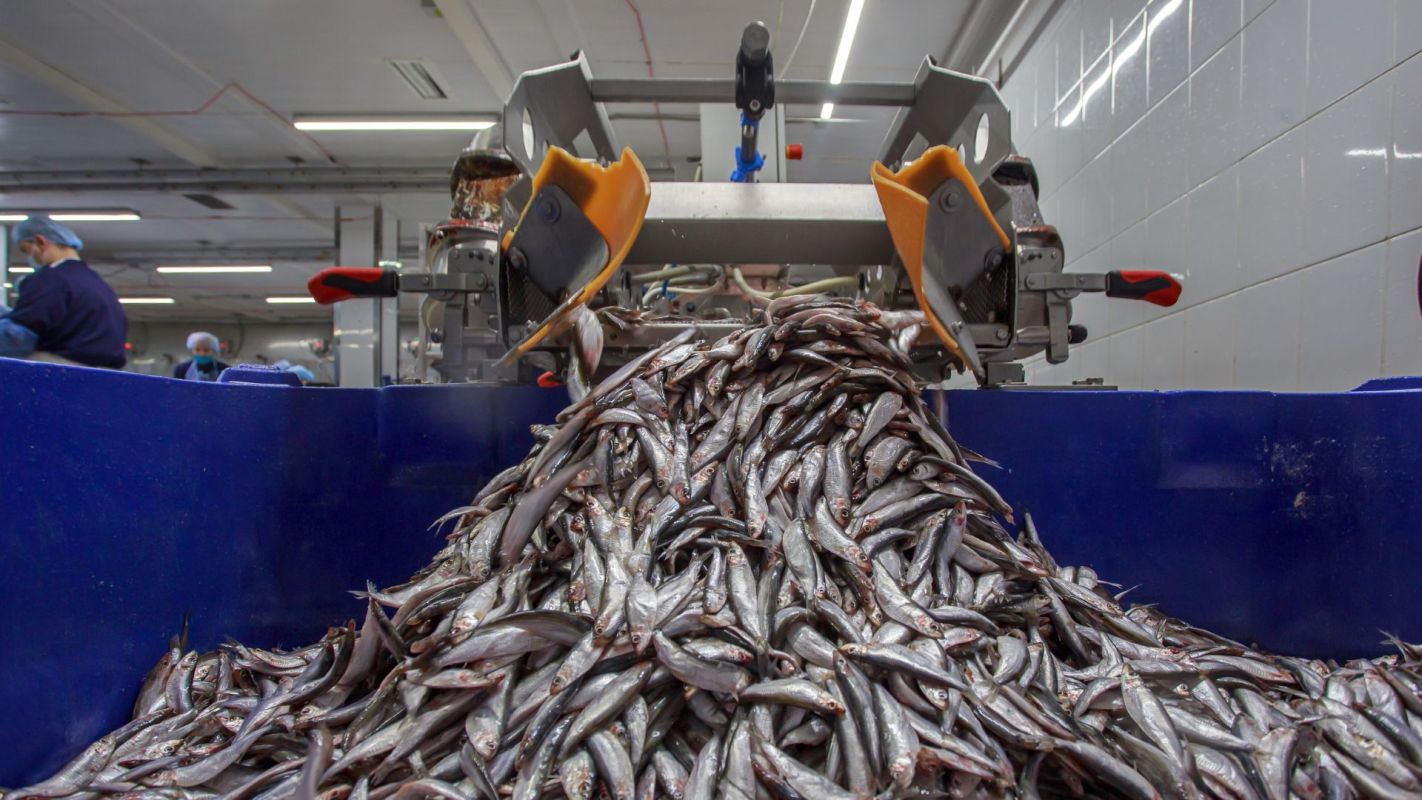
A recent Instagram post from the ocean conservation organization Oceana is drawing attention to a small fish that plays an enormous role in the lives of coastal communities.
In British Columbia, Canada, herring are not just another part of the marine food chain. For many, they are tied to family traditions, cultural identity, and community well-being.
What happened?
In the Instagram post, Oceana shared memories from Sierra Hall of Kitasoo Xai'xais Nation and lead research field technician of the Kitasoo Xai'xais Stewardship Authority.
The caption opens with a stark message from Hall: "To lose the herring would mean losing a big part of our identity."
The Pacific herring is a tiny fish vital to Pacific ecosystems.
"Hall remembers waiting for the herring harvest crews to return. After a long winter, the arrival of fresh herring eggs felt 'like Christmas' for the whole community. Families gathered at the docks to collect and prepare this important food for the year ahead," the caption explained.
TCD Picks » Quince Spotlight
💡These best-sellers from Quince deliver affordable, sustainable luxury for all




In addition to cultural significance, Hall told the outlet that she has seen how the tiny fish supports whales, sea lions, and other animals in the marine ecosystem.
Why does it matter?
Herring may be small, but they play an essential role in coastal food chains, and Hall told Oceana that she is concerned about the future of the Pacific herring.
When forage fish such as herring decline, the effects can ripple through the entire food web.
Losing them would not just mean fewer fish and marine animals in the water. It could also mean losing access to an important local food source and weakening a long-standing relationship between community and coast.
"That's why Indigenous communities like the Kitasoo Xai'xais Nation are leading efforts to protect and rebuild herring stocks," the caption says.
"I want everyone to know how important herring are to our culture and way of life. We're fighting hard to protect it because it's part of our DNA," Hall said.

Get TCD's free newsletters for easy tips, smart advice, and a chance to earn $5,000 toward home upgrades. To see more stories like this one, change your Google preferences here.







