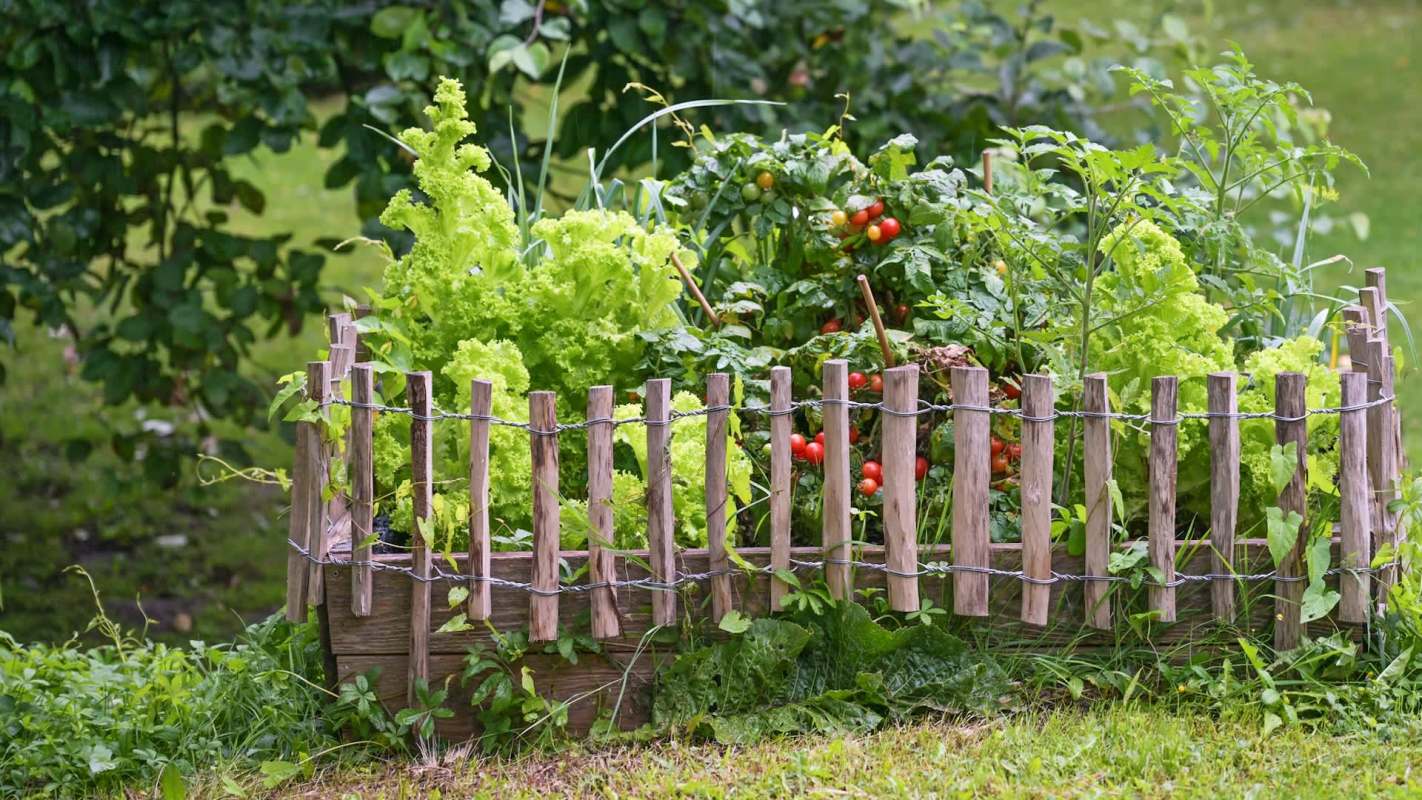
A long homegrown produce season does not require a huge yard, according to expert gardener Charlie Nardozzi. He says even small spaces can yield plenty if gardeners pick suitable varieties and include plants that ripen at different times of the year.
What's happening?
In a recent Instagram post, Joe Lamp'l (@joegardener), a gardening content creator, shared tips from Charlie Nardozzi, expert gardener and author of "The Continuous Vegetable Garden," on making the most of limited growing space.
"If you've ever planted way more beans, cabbage or zucchini than you needed all at once, my friend and expert gardener Charlie Nardozzi has a better way to think about the vegetable garden," the video's caption stated. In the video, Nardozzi applied that same steady-harvest approach to fruit.
As Nardozzi explained, "most people ... have small yards, so they don't really have room to grow a whole row of grapes or a whole orchard of apples." Instead, he said, gardeners should focus on fruit that matures at different times "during the spring, summer, and fall, so you have a continuous supply or a perpetual supply of fruit to harvest from."
Why does it matter?
A single compact tree or a couple of bushes can help families save money on produce, particularly during peak harvest months, while also providing fresher, better-tasting fruit than options that may spend long stretches in transit or on store shelves.
Growing food at home can also support mental and physical health. Digging, watering, pruning, and harvesting add movement to the day, while time spent outdoors can help people relax and feel more connected to what they eat.
TCD Picks » Quince Spotlight
💡These best-sellers from Quince deliver affordable, sustainable luxury for all




Nardozzi's approach can also reduce waste. Instead of planting too much at once, gardeners can spread out harvests and better match what they grow to what they will actually use or share.
One commenter wrote, "I'm guilty of planting too many tomato and pepper seeds! LOL! I haven't seen this yet but I look forward to it!"
"I also like taking surplus veggies to our food bank," said another.
What can I do?
If you want to grow fruit at home, start with varieties that fit your space and do not require a second plant for pollination. Nardozzi said the "Dwarf North Star Cherry is a good example" of a self-fertile option, adding, "It's a tart cherry. You only need one tree."
Pollination needs are also worth checking before you buy. If a fruit variety needs cross-pollination, Nardozzi suggested looking for dwarf versions so two different varieties can still fit in a modest yard.
You can also get more from a small garden by planning for fruit at more than one time of year. Mixing plants that ripen in spring, summer, and fall can extend your supply and keep your garden productive longer.

Get TCD's free newsletters for easy tips, smart advice, and a chance to earn $5,000 toward home upgrades. To see more stories like this one, change your Google preferences here.