


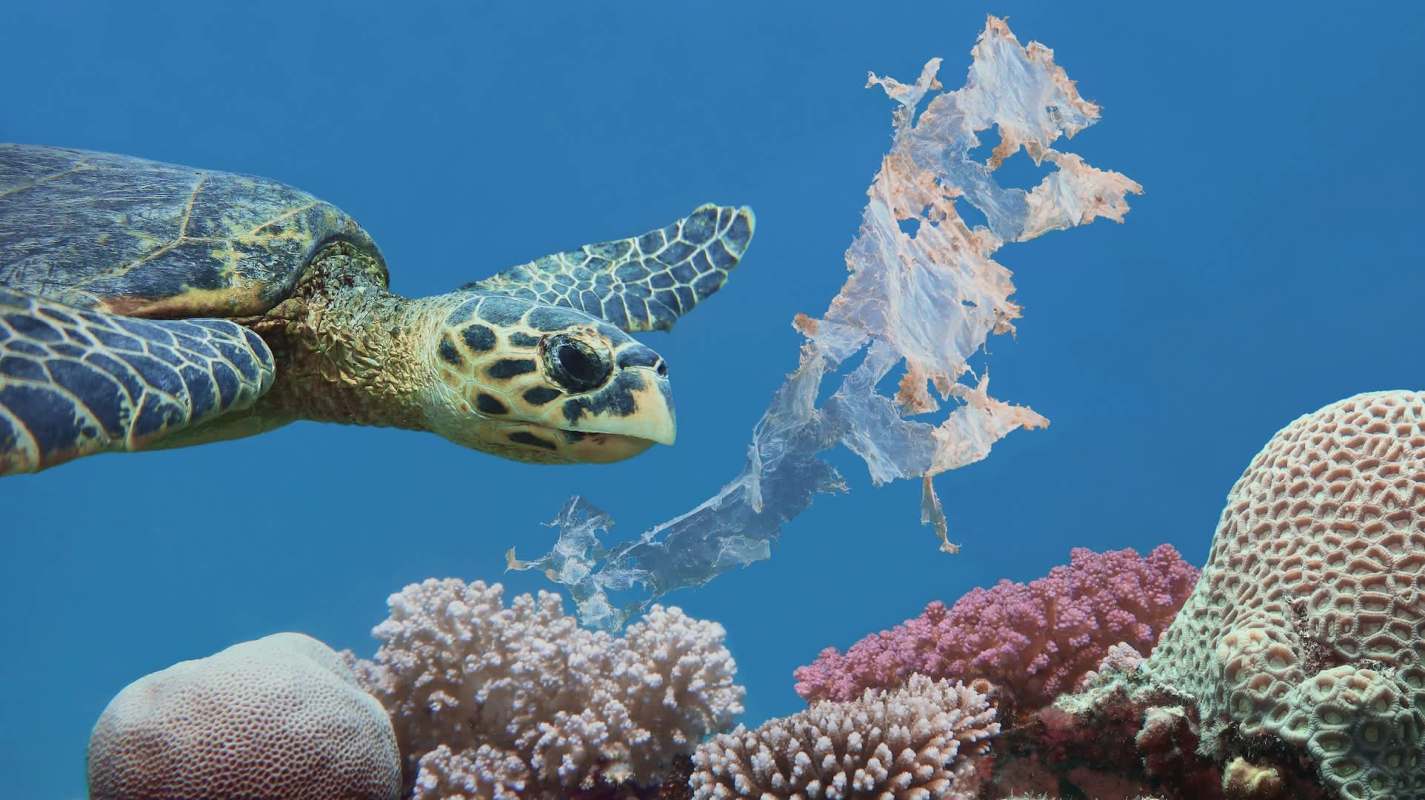
A drifting plastic bag may not look dangerous at first glance. But for a sea turtle searching for its next meal, it can look enough like food to become fatal.
That risk is at the center of a recent social media message from ocean conservation advocates urging people to cut back on single-use plastics and switch to reusable alternatives.
What's happening?
In a recent Instagram post, the ocean conservation organization Oceana (@oceana) said that sea turtles may mistake plastic bags for the prey they typically eat.
As the group put it, "Plastic bags can look and even smell like a sea turtle's typical food, potentially leading to a deadly outcome."
As part of Ocean Action Month, the organization also encouraged followers to support policies that "reduce unnecessary single-use plastic and move toward reusable and refillable systems."
Commenters echoed the frustration.
TCD Picks » Quince Spotlight
💡These best-sellers from Quince deliver affordable, sustainable luxury for all




"Plus they are almost blind, Use canvas bags whenever possible," said one.
Another added, "How they're still legal anywhere is beyond me."
Why does it matter?
When plastic enters the ocean, it doesn't just disappear.
It can injure or kill marine animals, break down into smaller particles, and wash back onto coastlines where communities depend on clean water, healthy fisheries, and tourism.
Plastic pollution can damage the ecosystems that support coastal jobs, local food supplies, and recreation. Delaying action on waste reduction also slows progress toward a future with cleaner neighborhoods, safer shorelines, and less strain on public cleanup budgets.
Sea turtles are especially powerful symbols of that damage because the threat is so visible: something as ordinary as a grocery bag can become a lethal trap.
And because single-use plastic is so common in daily life, the issue connects directly to consumer habits, business practices, and public policy.
What's being done?
Oceana's post highlights preventing plastic from reaching the water as one of the most important ways to address the problem.
That means backing policies that cut unnecessary single-use plastics and building systems that make reusable and refillable choices easier to find and less expensive.
That can mean supporting local or state efforts to reduce plastic bag use, bringing reusable bags on shopping trips, and choosing products with less disposable packaging when possible.
Individual actions will not solve ocean pollution on their own, but they can reduce personal waste and help normalize better options.
The goal is to make the least-polluting choice the easiest one.

Get TCD's free newsletters for easy tips, smart advice, and a chance to earn $5,000 toward home upgrades. To see more stories like this one, change your Google preferences here.







