


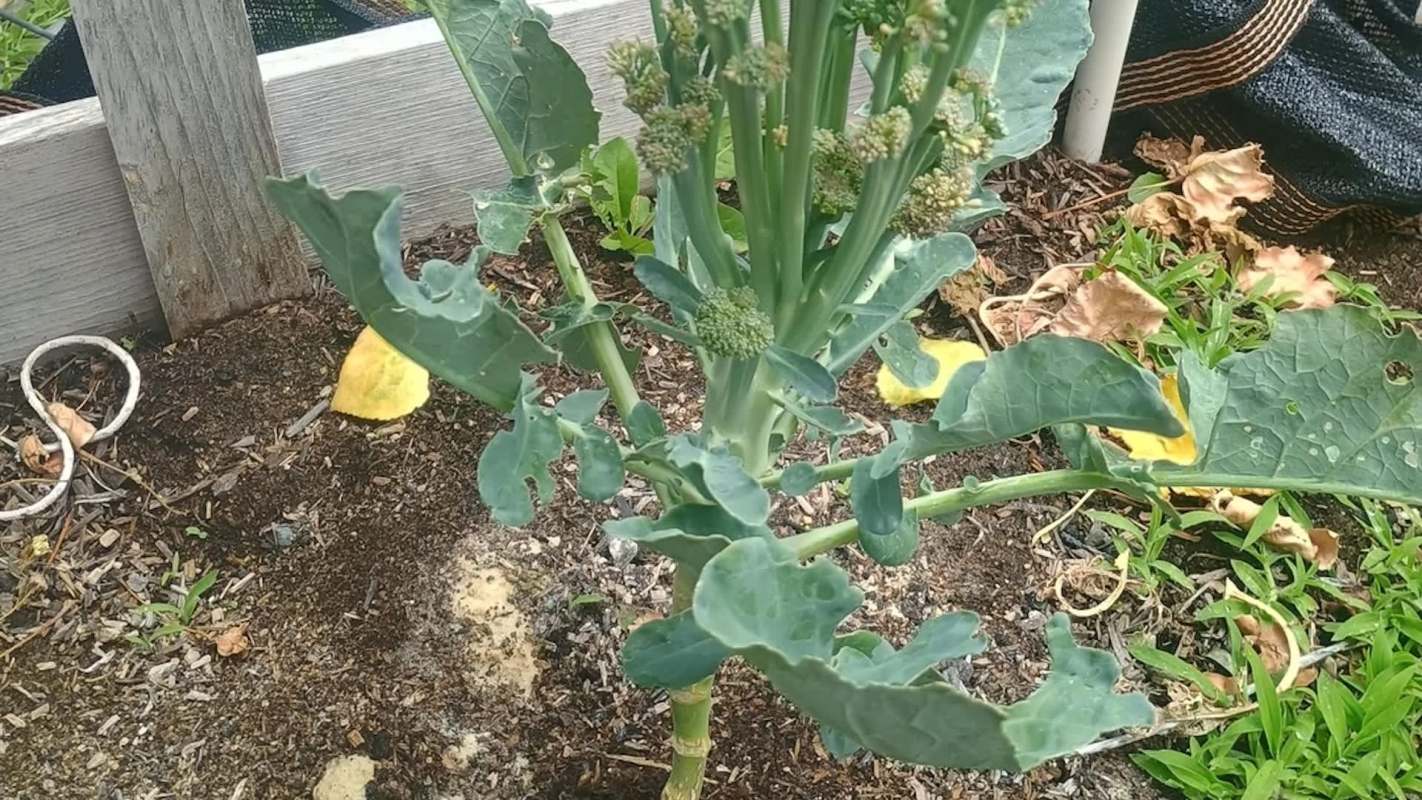
In northern Nevada, a new gardener grew broccoli for the first time and found that the plant resembled broccolini more than the dense crowns usually sold in stores.
The surprising result sparked a useful discussion about what desert heat can do to cool-season crops — and what gardeners can still salvage when plants bolt.
What happened?
Writing from the "high desert northern Nevada," the gardener asked why their "lieutenant broccoli" looked so unusual.
"I was expecting to see broccoli like at the grocery store," they said. "It looks more like the broccolini at high end restaurants."
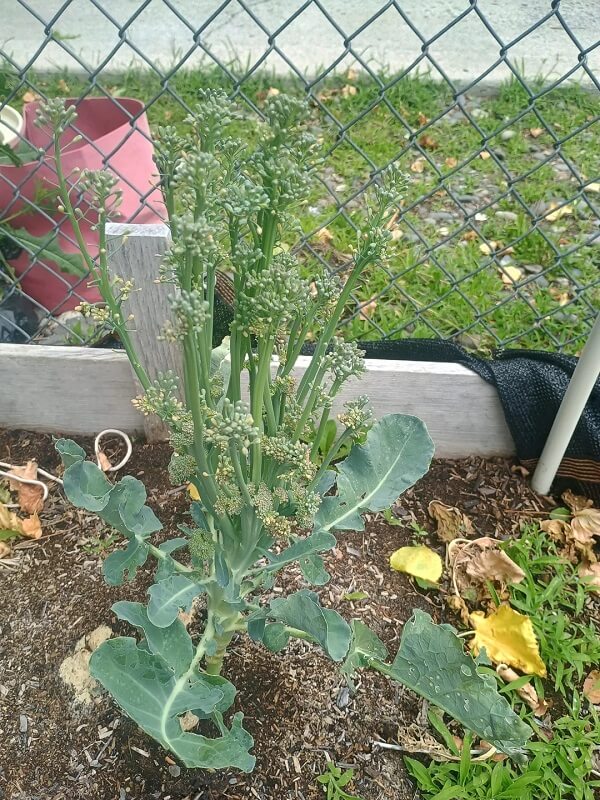
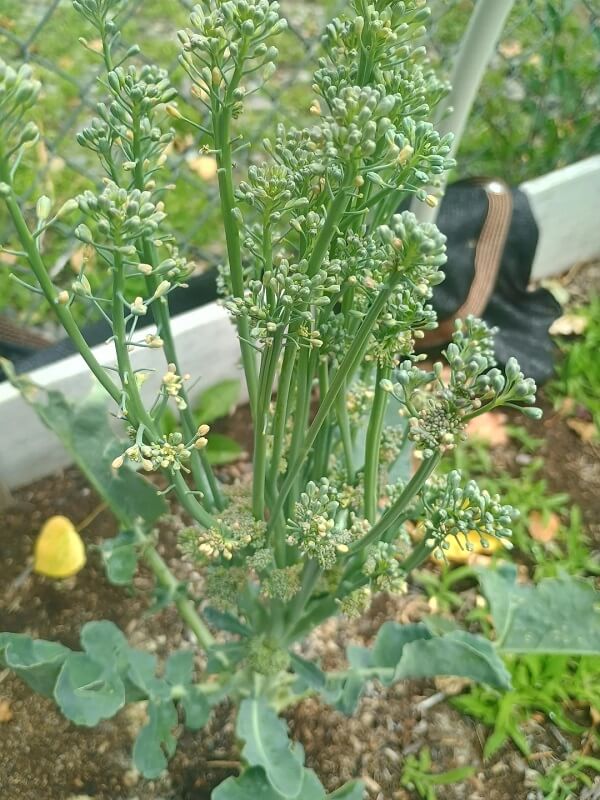
Across the replies, the diagnosis was largely the same: Heat had likely caused the plant to bolt.
"Broccoli is a cool weather plant, plant early spring or late fall," one commenter wrote. "Will not have much luck in mid summer temps."
TCD Picks » Quince Spotlight
💡These best-sellers from Quince deliver affordable, sustainable luxury for all




Another added, "It has bolted. Probably got too hot too fast."
That unusual shape appears to have had more to do with the weather than with any major mistake by the grower.
Broccoli generally needs a long stretch of cool conditions, and northern Nevada's dry climate and rapidly rising temperatures can cause plants to flower before a large central head forms.
Why does it matter?
In dry regions, where water use is already a major concern, choosing crops and landscaping suited to the climate can reduce irrigation needs and cut down on maintenance.
For many homeowners, that can also mean rethinking a traditional grass lawn.
Swapping even part of a lawn for lower-maintenance options such as native plants, clover, buffalo grass, or xeriscaping can help reduce water bills while cutting the time and money spent on mowing, fertilizing, and reseeding.
The same climate-smart approach that can help a vegetable garden thrive can also make an entire yard more resilient.
What can I do?
Even after bolting, the plant may still be useful.
"You can still harvest the sprouts and eat them like broccoli raab," one commenter reassured the original poster. "Broccoli doesn't get bitter when it bolts like lettuce does."
Tender side shoots and peeled stems can still be edible, and allowing some flowers to open can help support pollinators.
Several commenters pointed to cooler timing for the next planting.
"Collect your free seed and try again later," one user wrote.
Another said, "Check with your local extension service to find out the planting dates for your area. Im in zone 8a and i try to plant by feb 15. Broccoli needs a long cool growing season."
Checking local extension calendars, choosing heat-appropriate varieties, and adjusting planting windows can improve harvests while conserving water.
If a yard is already struggling in hot, dry weather, replacing even a portion of thirsty turf with native or drought-tolerant plants can make the whole space easier to manage.

Get TCD's free newsletters for easy tips, smart advice, and a chance to earn $5,000 toward home upgrades. To see more stories like this one, change your Google preferences here.






