


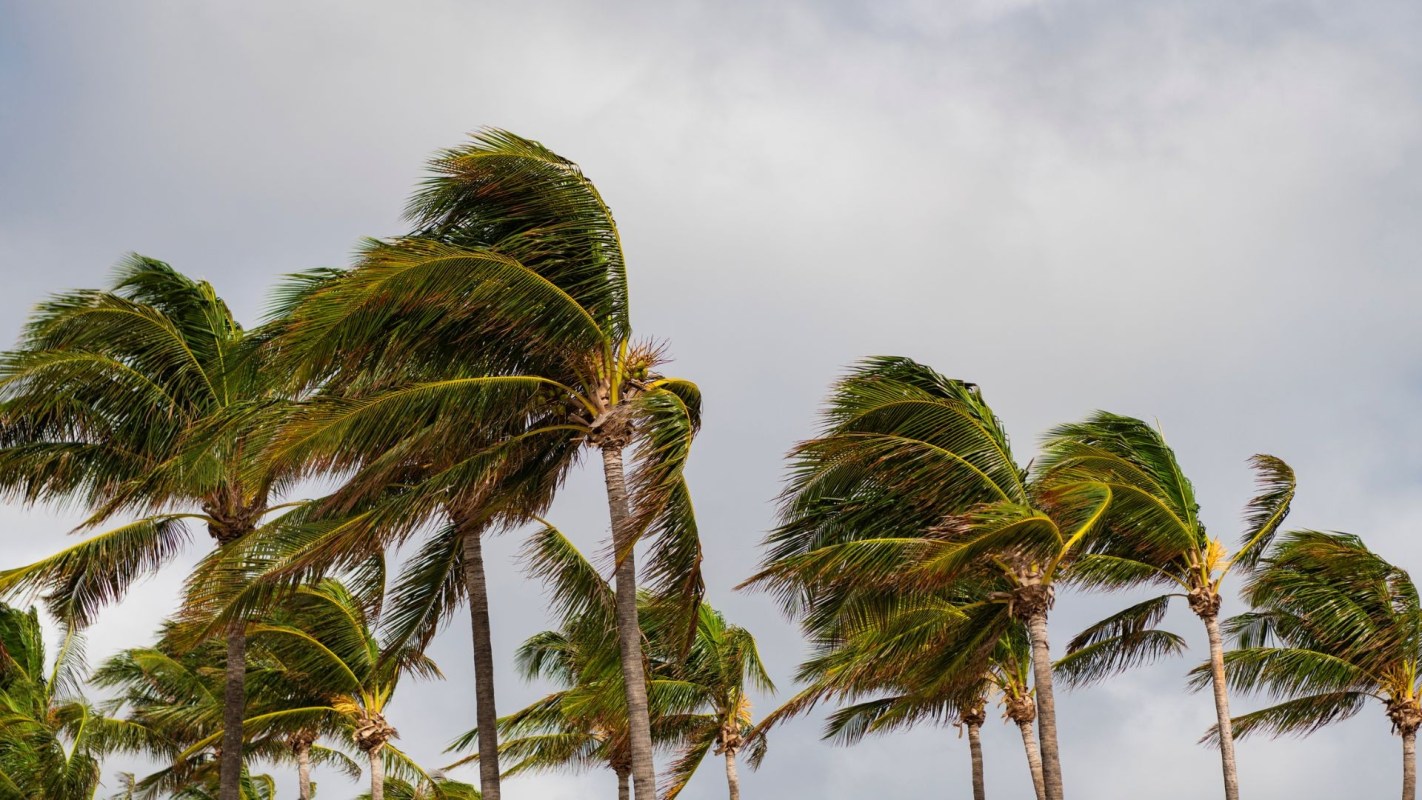
A lighter-than-usual hurricane outlook is not the same as a low-threat season, and Florida emergency officials and insurance professionals say it is important for people in affected areas to plan ahead when it comes to safety before conditions become worse.
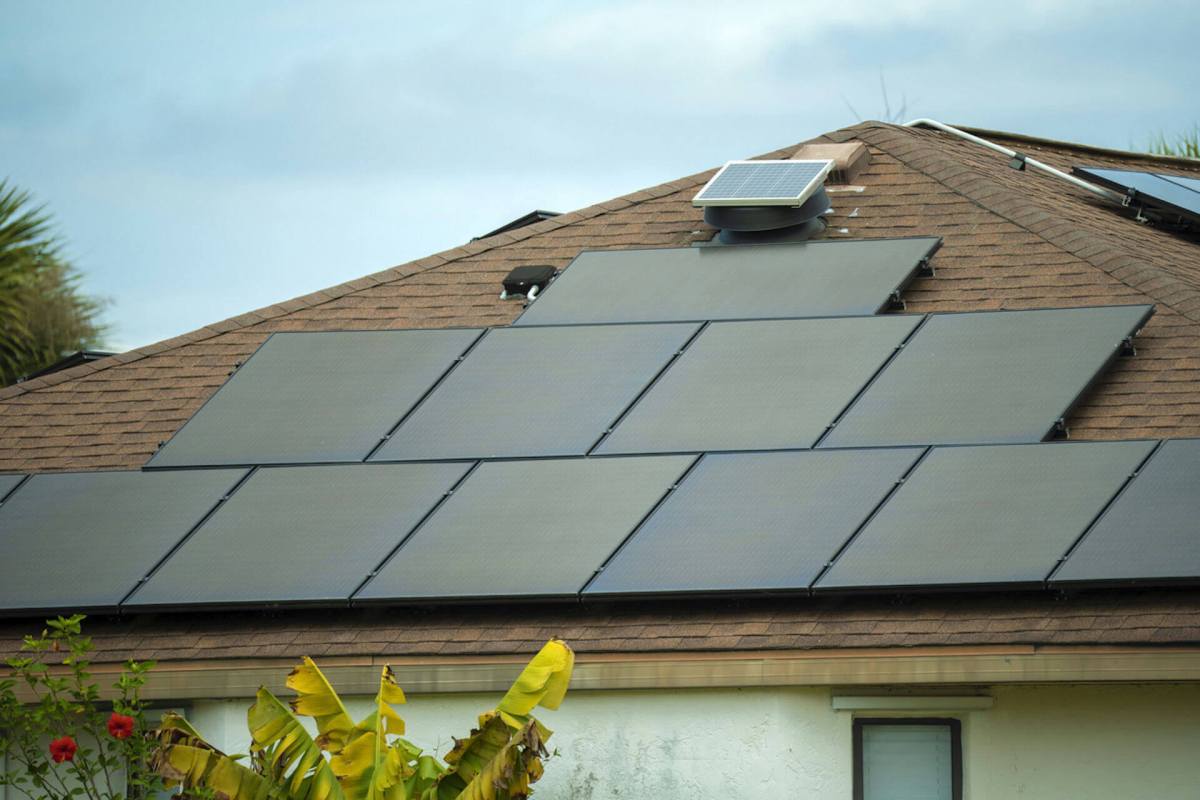
Storm prep can get expensive, which is one reason going solar is one of the best ways to save money on home energy over time. Homeowners can use EnergySage to get quick solar installation estimates, and EnergySage also lets shoppers compare quotes from trusted and pre-screened installers before making a big home upgrade.
EnergySage's free tools make it easy for anyone to get quick solar installation estimates and compare quotes for a fast and simple transition to solar, even for households in less sunny areas.
What's happening?
On Florida's Treasure Coast, residents are being advised to begin their hurricane preparations now, WFLX reported.
According to WFLX, NOAA's 2026 forecast includes eight to 14 named storms, with three to six hurricanes and one to three major hurricanes, and meteorologists have largely connected that below-average outlook to El Niño, which causes wind conditions that make it more difficult for hurricanes to develop in the Atlantic.
Wieland said that this quieter than usual forecast should not be treated as a reason for Floridians to ease up on storm readiness.
"These numbers aren't zero, so you can't really let your guard down because any one of these could be a major hurricane," he said, per WFLX.
Emergency managers are urging residents to learn their evacuation zones, map out routes ahead of time, and leave early if conditions warrant. WFLX also reminded people to make sure their car's gas tank is full ahead of time.
Save $10,000 on solar panels without even sharing your phone number Want to go solar but not sure who to trust? EnergySage has your back with free and transparent quotes from fully vetted providers that can help you save as much as $10k on installation. To get started, just answer a few questions about your home — no phone number required. Within a day or two, EnergySage will email you the best local options for your needs, and their expert advisers can help you compare quotes and pick a winner. |

Experts said homeowners should go over their insurance policies before any storm is taking shape, with special attention to rebuilding limits, flood coverage, and hurricane deductibles.
Preparing financially can be just as important as preparing physically before a storm hits. Robert Norberg from Ardent Insurance said it is still common for homeowners to carry less coverage than they may actually need.
"Look at your coverage limits. Are the coverage limits matching today's rebuilding costs?" he said, per WFLX.
Why does it matter?
A season with fewer storms in the forecast can still be devastating if one takes a bad track.
More From EnergySage
💡Go deep on the latest news and trends shaping the residential solar landscape


Will Ulrich of the National Weather Service office in Melbourne, who serves as a warning coordination meteorologist, told WFLX, "The adage that the National Weather Service always says is it only takes one."
That warning carries extra weight in Florida, where rapid intensification and local hazards can make storms more dangerous while leaving less time to prepare.
Experts also told WFLX that radar gaps in parts of Palm Beach and Martin counties could make low-level tornadoes and flash flooding harder to detect quickly.
Norberg said many people misunderstand hurricane deductibles, which are usually calculated as a percentage of the home's insured value rather than a percentage of the damage itself.
Norberg noted that the entire state of Florida is a flood zone, and even if you might not be in a hurricane danger zone, he offers important advice: "I always say if it rains at your house, you need flood insurance."
For many families, the hardest stretch begins after landfall, when they may be waiting on insurance claims, scrambling for repair supplies, or living without electricity.
Homeowners looking to thoroughly prepare for future storms can invest in upgrades that can improve resilience while also lowering long-term energy costs. EnergySage can help you go solar with its free tools, providing unbiased advice and trusted expertise from its experts to give you the best bang for your buck and help you make the right decision about which system best fits your home. With EnergySage's help, the average person can save up to $10,000 on solar purchases and installations.
What can I do?
Before storm season intensifies, make sure you know your evacuation zone, plan your routes, fill your gas tank, and gather basics like water, batteries, tarps, and first-aid supplies.
WFLX also recommended recording a video of your home on your phone for insurance purposes so that you can document potential damage. If trees or vegetation are close to power equipment, have a professional trim them before storm season ramps up.
EnergySage's services are useful for homeowners looking to lower utility bills while improving home resilience. Readers can also use EnergySage's innovative mapping tool that shows the average cost of a home solar panel system on a state-by-state level, as well as details on solar panel incentives for each state. Together, those resources can help readers get the best price for rooftop solar panels and access available incentives.
Adding battery storage to a solar setup is one of the best ways to protect your home during outages caused by severe weather and save money on energy. It can also give households backup power when the grid goes down after severe weather, or even help you go off-grid.
EnergySage has many free tools for information about home battery storage options, including competitive installation rates.
According to WFLX, St. Lucie County leaders emphasized, "The most important thing to remember is to have a plan and take action early."
As Martin County Emergency Management Coordinator Colin Ridel put it, "Preparation is 365 days a year."

Get TCD's free newsletters for easy tips, smart advice, and a chance to earn $5,000 toward home upgrades. To see more stories like this one, change your Google preferences here.






