


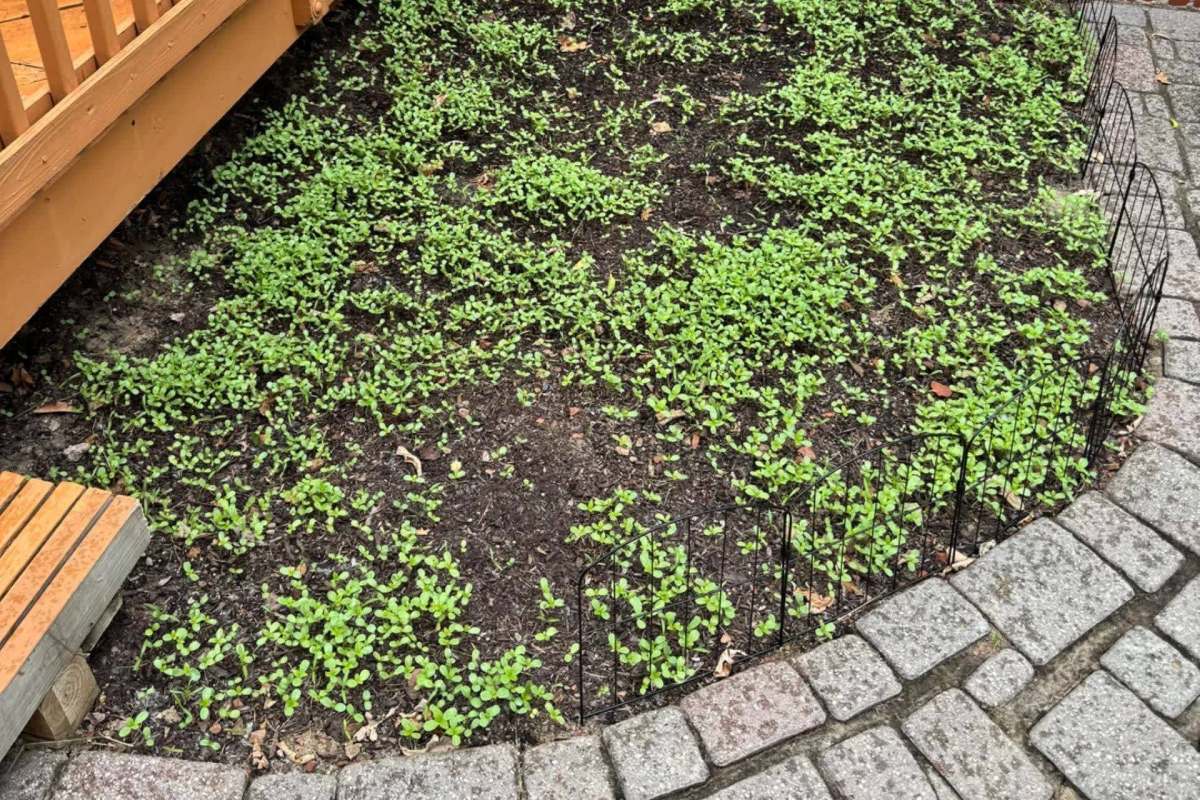
One grieving family's backyard gardening project has sparked an outpouring of sympathy just weeks after the flowers' planter died unexpectedly.
What happened?
The family posted the story in Reddit's r/gardening community.
According to the original poster, "four weeks ago my father-in-law planted a handful of wildflower seeds along our deck in preparation for my little girl's first birthday (wildflower theme). Then, two weeks ago, he passed unexpectedly from a pulmonary embolism."
Unfortunately, just days before the post was written, a landscaper applied 16-0-4 grub-and-weed treatment to that same corner of the yard, and the flowers began to die, further upsetting the whole family.
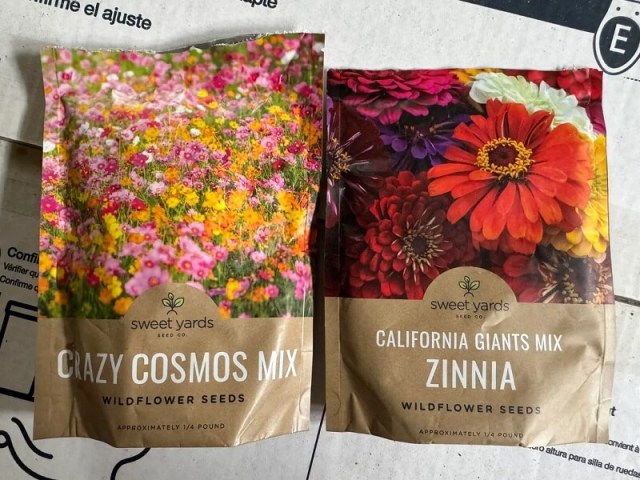
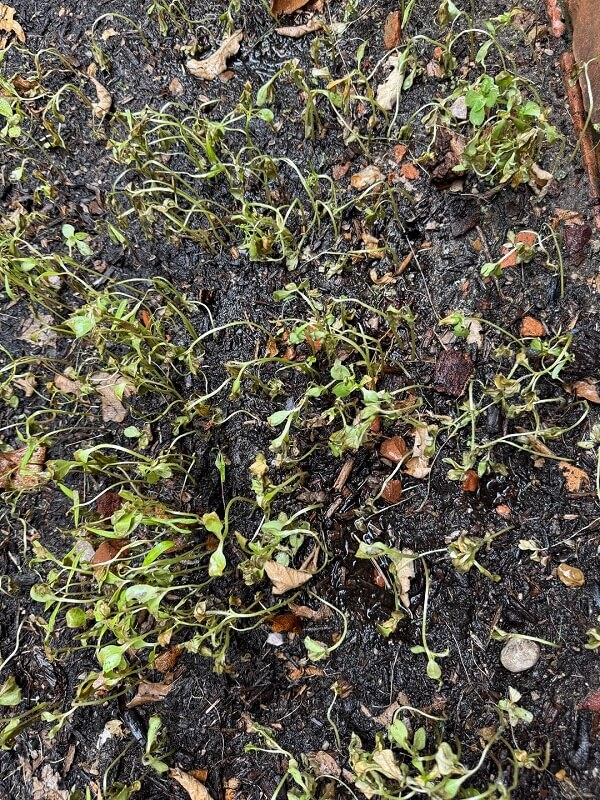
The OP added, "My wife is devastated for a few reasons; it's a fairly emotional situation. Is there ANY hope for bouncing these back?"
What are people saying?
Commenters were quick to weigh in, with many shooting down hopes that the flowers would recover.
TCD Picks » Quince Spotlight
💡These best-sellers from Quince deliver affordable, sustainable luxury for all




One wrote, "Unfortunately, the answer is no. 16% nitrogen is immense even for established plants; for seedlings, it's a sure-fire death sentence. I'm very sorry."
Others suggested starting over discreetly in containers or in fresh soil. One commenter said, "I'm so sorry about your father in law... Chances are unlikely... Any chance you can find the seed packet and start over in a pot? I wouldn't plant in that patch again, at least not for a year."
A third wrote, "I am sorry for your loss," adding, "Weed killer kills all plants."
Why does it matter?
Many homeowners use weed-and-feed products without realizing how easily they can damage tender plants, pollinators, and nearby garden beds. A high-nitrogen fertilizer combined with an herbicide can be too harsh even for established plants, let alone new wildflower seedlings.
The incident also underscores why more people are rethinking traditional lawns. Replacing even part of a grass yard with native plants, clover, buffalo grass, or xeriscaping can cut mowing time, reduce water bills, and save money on fertilizers and chemical treatments.
Native-plant lawns and rewilded spaces can also support bees, butterflies, and other pollinators while requiring less maintenance overall.

Get TCD's free newsletters for easy tips, smart advice, and a chance to earn $5,000 toward home upgrades. To see more stories like this one, change your Google preferences here.






