


After a storm passes, a different set of dangers can take over. Families may still be facing floodwater, power outages, downed power lines, and generators that can silently fill a house with toxic gas.
What's happening?
KRGV reported that in the Rio Grande Valley, Texas, storm-related deaths often occur after the weather has moved through, making the aftermath potentially even deadlier than the storm itself. To illustrate that pattern, KRGV cited Hurricane Harvey and Hurricane Ian, where many people died after the storms instead of during them.
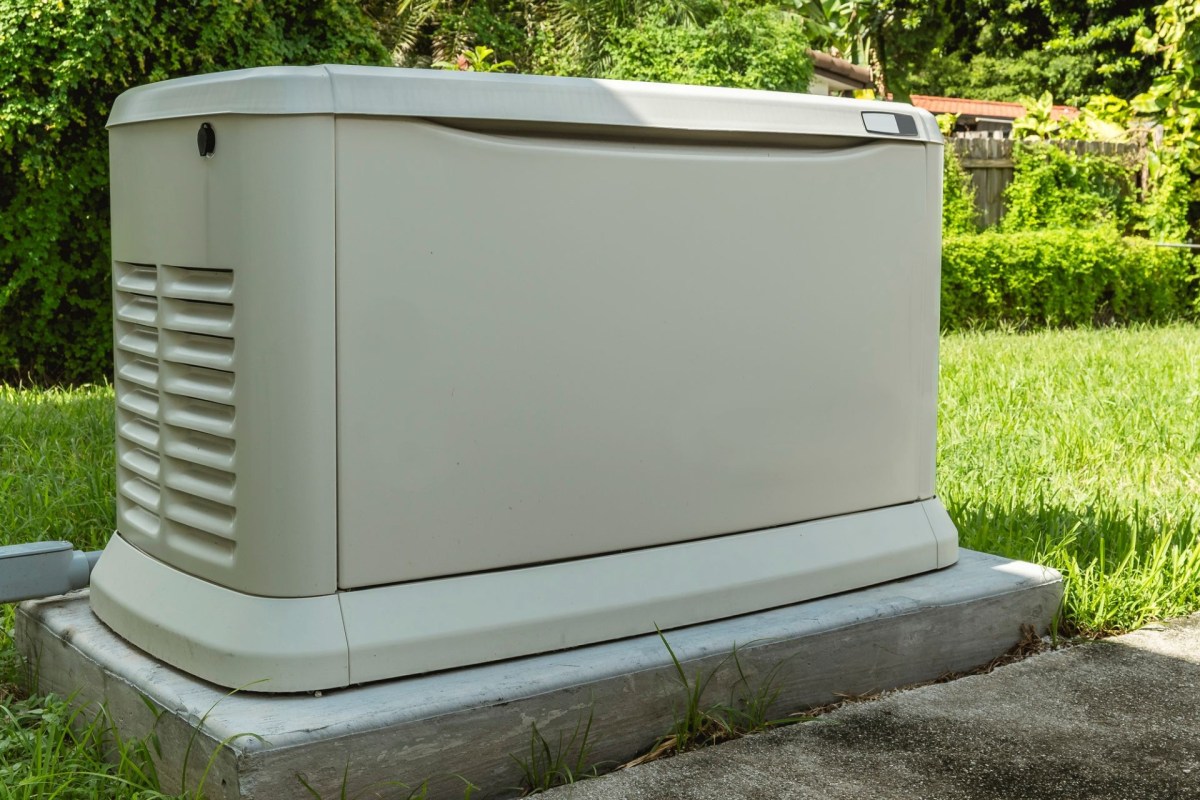
Improper generator use is one of the most serious hidden risks because it can lead to carbon monoxide poisoning. Channel 5 News has reported at least two such cases in the last six years, including one death, and KRGV says the Centers for Disease Control and Prevention reports thousands of carbon monoxide poisoning cases each year, with numbers rising after storms.
Nausea, dizziness, headaches, and fatigue are all warning signs, and they can be easy to overlook when people are already worn down by heat, stress, and cleanup. KRGV also warned about other hazards after storms, including live power lines and floodwaters that can leave drivers stranded.
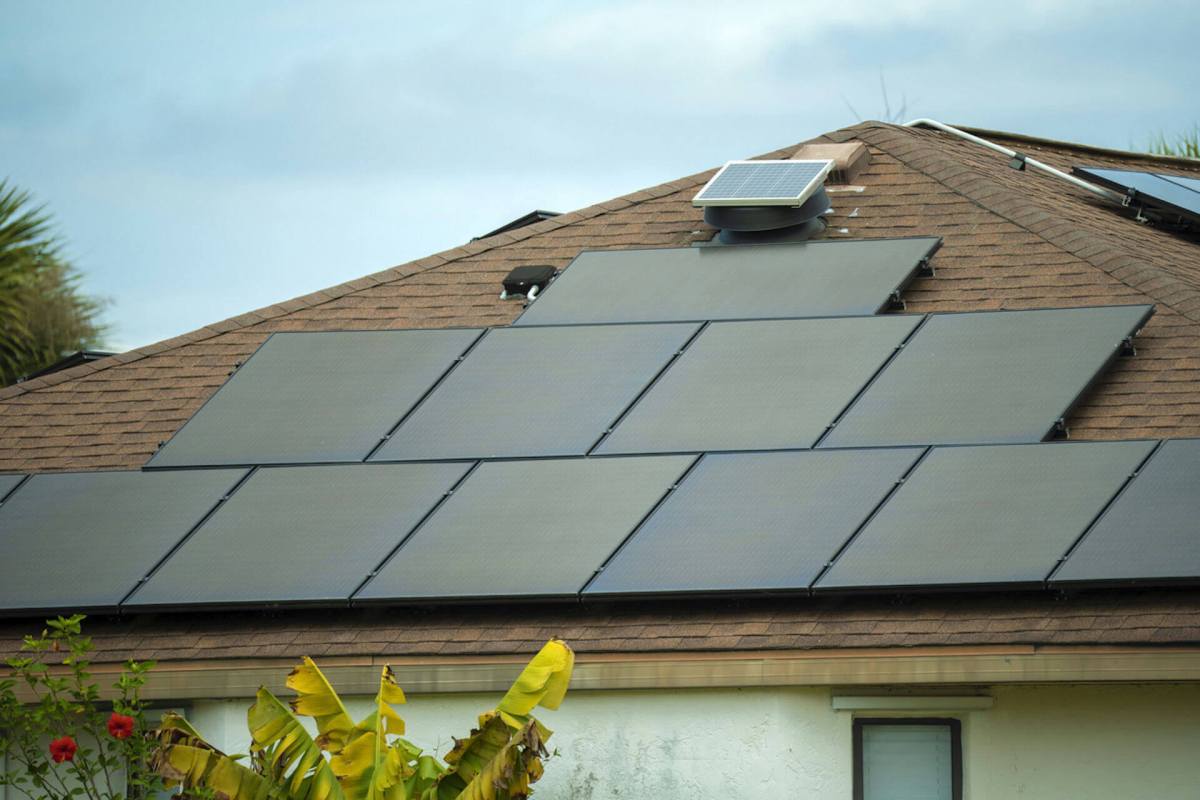
Solar panels paired with a home battery can keep the lights on during power outages, as well as slash your monthly energy bills. EnergySage's free tools provide loads of information and quick solar estimates from vetted installers.
Why does it matter?
The period after a storm can be just as dangerous as the storm itself, especially when people are trying to cool their homes, charge devices, or drive through standing water to get supplies. One rushed decision during a power outage can quickly turn into a medical emergency.
Carbon monoxide is particularly dangerous because it cannot be seen or smelled. Even if doors or windows are open, a generator running in a garage can create life-threatening conditions.
Flooding is another serious concern. KRGV, citing the National Oceanic and Atmospheric Administration and the National Hurricane Center, said flooding is the leading cause of deaths from tropical systems in the U.S. In March 2025, KRGV reported that a storm that quickly dropped several inches of rain left dozens of Valley drivers stranded.
Save $10,000 on solar panels without even sharing your phone number Want to go solar but not sure who to trust? EnergySage has your back with free and transparent quotes from fully vetted providers that can help you save as much as $10k on installation. To get started, just answer a few questions about your home — no phone number required. Within a day or two, EnergySage will email you the best local options for your needs, and their expert advisers can help you compare quotes and pick a winner. |

What can I do?
Generator safety starts with where and how you use it: keep it at least 20 feet from your home, never run it indoors or in a garage, and do not use it while wet. KRGV also advises using only heavy-duty extension cords, avoiding overloads, and never connecting the generator directly to your home's power supply.
If you encounter storm damage, assume every downed line is live. Stay at least 30 feet away, don't drive over lines or touch nearby debris, and keep children and pets out of floodwaters, where electrical hazards may be hidden.
Adding battery storage to a solar setup is one of the best ways to protect your home during outages, save money on energy, and go off-grid. You can check out EnergySage's free tools for information on home battery storage options, including competitive estimates to help you save on installation costs.
If you're interested in adding solar to your home, EnergySage can help you save up to $10,000 on solar purchases and installations. Plus, EnergySage's mapping tool shows the average cost of a home solar panel system on a state-by-state level, as well as details on solar panel incentives for each state.
More From EnergySage
💡Go deep on the latest news and trends shaping the residential solar landscape



Get TCD's free newsletters for easy tips, smart advice, and a chance to earn $5,000 toward home upgrades. To see more stories like this one, change your Google preferences here.






