


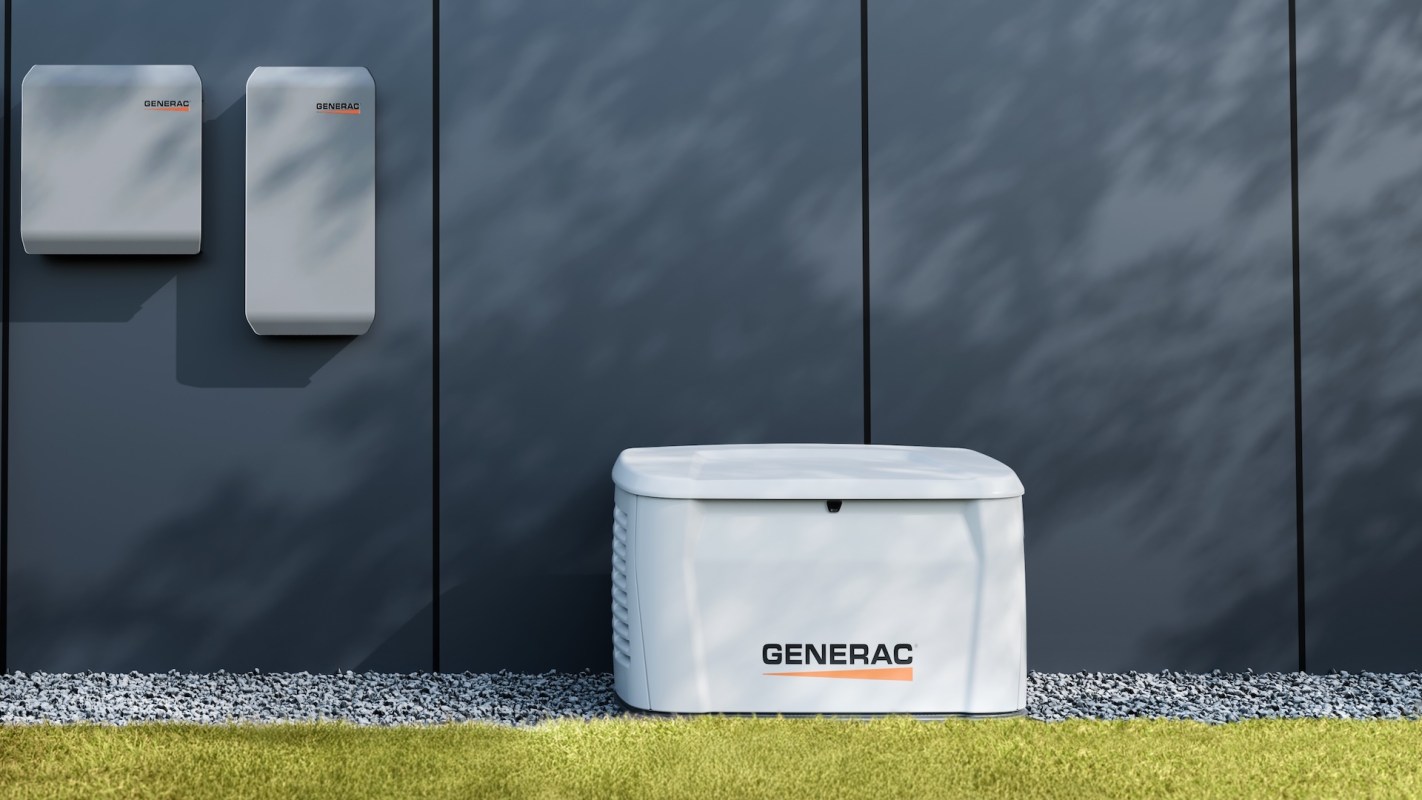
A New Jersey homeowner is weighing a $13,200 quote for a standby Generac generator — and, for them, the decision is about much more than convenience. Their interest in backup power is tied to a medical need: insulin that needs to stay refrigerated.
What's happening?
According to a post on Reddit, a well-known installer in central New Jersey quoted the homeowner $13,200 for a Generac standby generator setup. From the details shared so far, that price seems to cover installation, permits, a newer 24-kilowatt "Generac Next Gen" model, and a 10-year warranty.
Siting the unit may be one complication. The homeowner said the town could require 10 feet of clearance from the property line, while the installer first believed the relevant rule was 5 feet from a window.
The property does appear to have another possible placement option, so the final schedule and total cost could depend on code requirements and any related site work.
They were also told service would run $500 annually for two maintenance visits, although the company said the homeowner could do routine upkeep themselves without affecting the warranty if they kept logs and receipts.
The homeowner added, "I'm brand new to all of this, so I just want to hear what everyone thinks and whether I missed any key questions."
Before committing to a generator, homeowners may also want to compare battery backup. Adding battery storage is one of the best ways to protect your home during outages, save money on energy, and go off-grid. It can also reduce or avoid ongoing fuel and maintenance costs that come with a standby generator.
EnergySage's free tools can help you get started with information about battery storage solutions, including competitive installation estimates that can save you money, somewhat along the lines of how comparison travel booking sites like Expedia and Hotels.com work.
Save $10,000 on solar panels without even sharing your phone number Want to go solar but not sure who to trust? EnergySage has your back with free and transparent quotes from fully vetted providers in your area. To get started, just answer a few questions about your home — no phone number required. Within a day or two, EnergySage will email you the best options for your needs, and their expert advisers can help you compare quotes and pick a winner. Solar panels can save you more than $50k over their 25-year lifespan, and EnergySage can help you save as much as $10k on installation. Which begs the question — isn't that worth an email or two? |

Why does it matter?
For this homeowner, the stakes are immediate. Their main concern, they said, is keeping insulin cold, which means an extended outage could become both a medical problem and a costly one.
The price tag is also significant. A $13,200 upfront installation plus $500 in annual maintenance would add up to roughly $18,200 over 10 years, even before fuel costs.
A generator can also be compared with battery storage, or even a hybrid setup, to determine which option offers the best value. In New Jersey, memories of Hurricane Sandy still shape how people think about power outages, flooding, and home preparedness. Because of those water concerns, the homeowner also asked about adding extra base pads to raise the generator a bit higher.
What can I do?
A full written quote can include a line-by-line breakdown of equipment, labor, permits, electrical work, gas hookups, and any site-prep costs. Confirming local setback rules directly with the town can help avoid surprises after signing.
Whether the system is sized for the whole home or just essential loads can make a big difference in cost for a one-story home of around 1,100 to 1,500 square feet.
A smaller generator or a battery system designed to keep critical appliances running could be enough. Fuel use, noise, annual service, outage runtime, and what happens if you handle some maintenance yourself can all affect costs beyond installation.
EnergySage has partnered with the home electrification company Qmerit to help you get the best price on home battery storage solutions. If you're not ready for a major home investment, Pila's plug-and-play batteries cost a fraction of a whole-home backup system.

Get TCD's free newsletters for easy tips, smart advice, and a chance to earn $5,000 toward home upgrades. To see more stories like this one, change your Google preferences here.






