


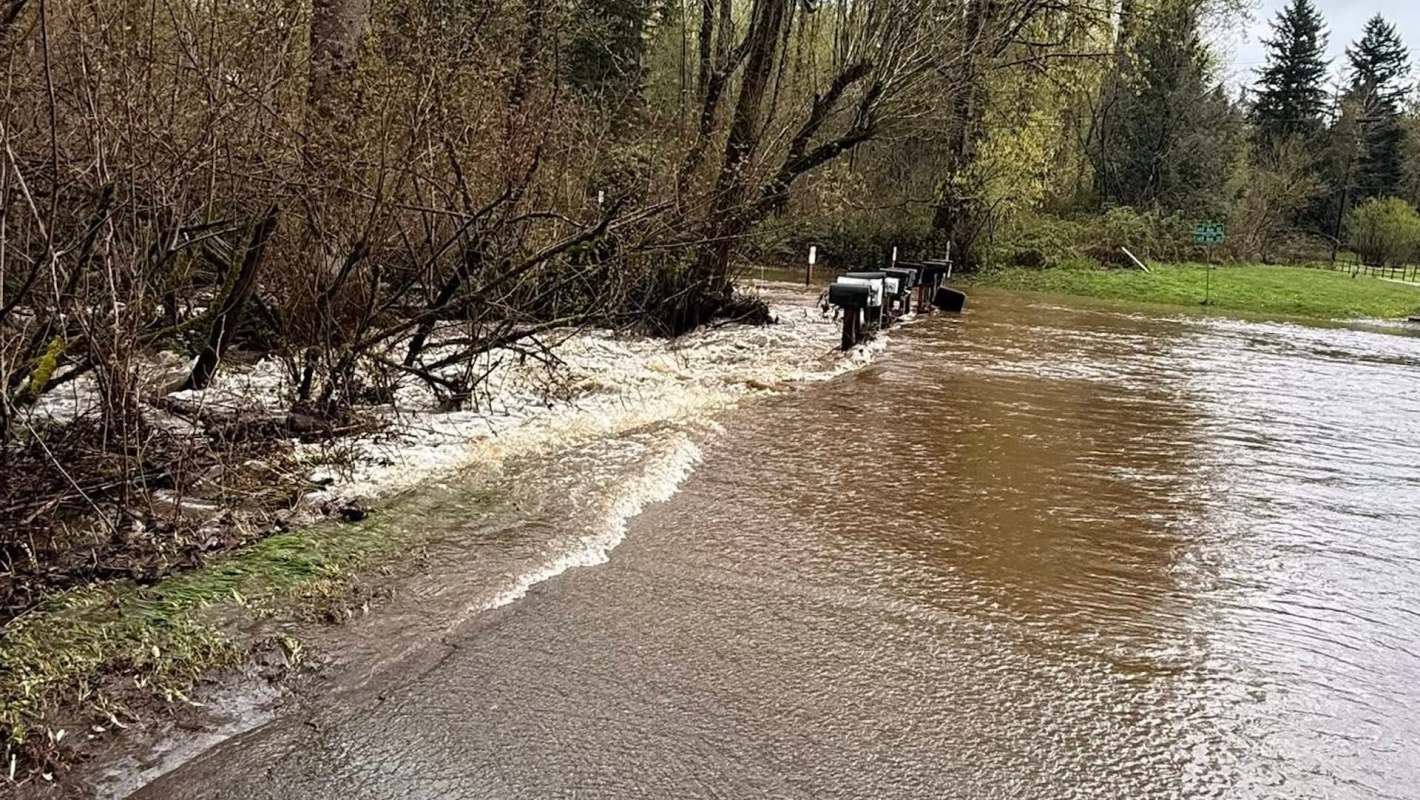
After a beaver dam gave way in Snohomish, Washington, flooding covered part of a roadway, prompting local officials to urge drivers to steer clear.
What happened?
According to KOMO News, water spilled across the roadway near Brookside Place and 149th Avenue Southeast after Snohomish County Fire District 4 reported a beaver dam failure shortly before 1 p.m. on April 13.
Motorists were told to avoid the area until the water went down. Flooding on a roadway can quickly become dangerous by increasing the chances of stalled vehicles, hidden debris, and slick pavement.
Beaver dams are a common feature of Pacific Northwest ecosystems and often help create wetlands that support fish, birds, and other wildlife. But when one fails near a developed area, the sudden release of water can quickly create hazards beyond the stream itself.
Why does it matter?
Flooded roads are more than an inconvenience. Even a small amount of standing water can destabilize pavement, conceal damage, and put drivers at risk of losing control or becoming stranded.
The incident also highlights the challenges of living near natural waterways. Beaver dams are not unusual, but the danger rises when roads, neighborhoods, and drainage systems are built in places where water naturally collects and flows.
TCD Picks » Quince Spotlight
💡These best-sellers from Quince deliver affordable, sustainable luxury for all




Beavers can provide major ecological benefits by storing water, creating wetlands, and slowing erosion, but those same natural engineering skills can clash with culverts, streets, and stormwater systems when communities are not prepared for them.
What's being done?
For now, officials are asking drivers to stay away until the roadway is safe again. Drivers should never try to travel through standing or moving floodwater, especially on neighborhood roads where washouts can be hard to spot.
Warnings like this give residents time to reroute and help reduce the risk of crashes or water rescues. Once the water recedes, local agencies may inspect the road surface and nearby drainage areas to make sure the flooding did not cause damage.
Communities in beaver habitat often look for ways to coexist with the animals while still protecting public infrastructure. That can include improved culvert design, water-flow control devices, and land-use planning that takes wetlands and stream behavior into account before a problem becomes a roadway emergency.

Get TCD's free newsletters for easy tips, smart advice, and a chance to earn $5,000 toward home upgrades. To see more stories like this one, change your Google preferences here.







