


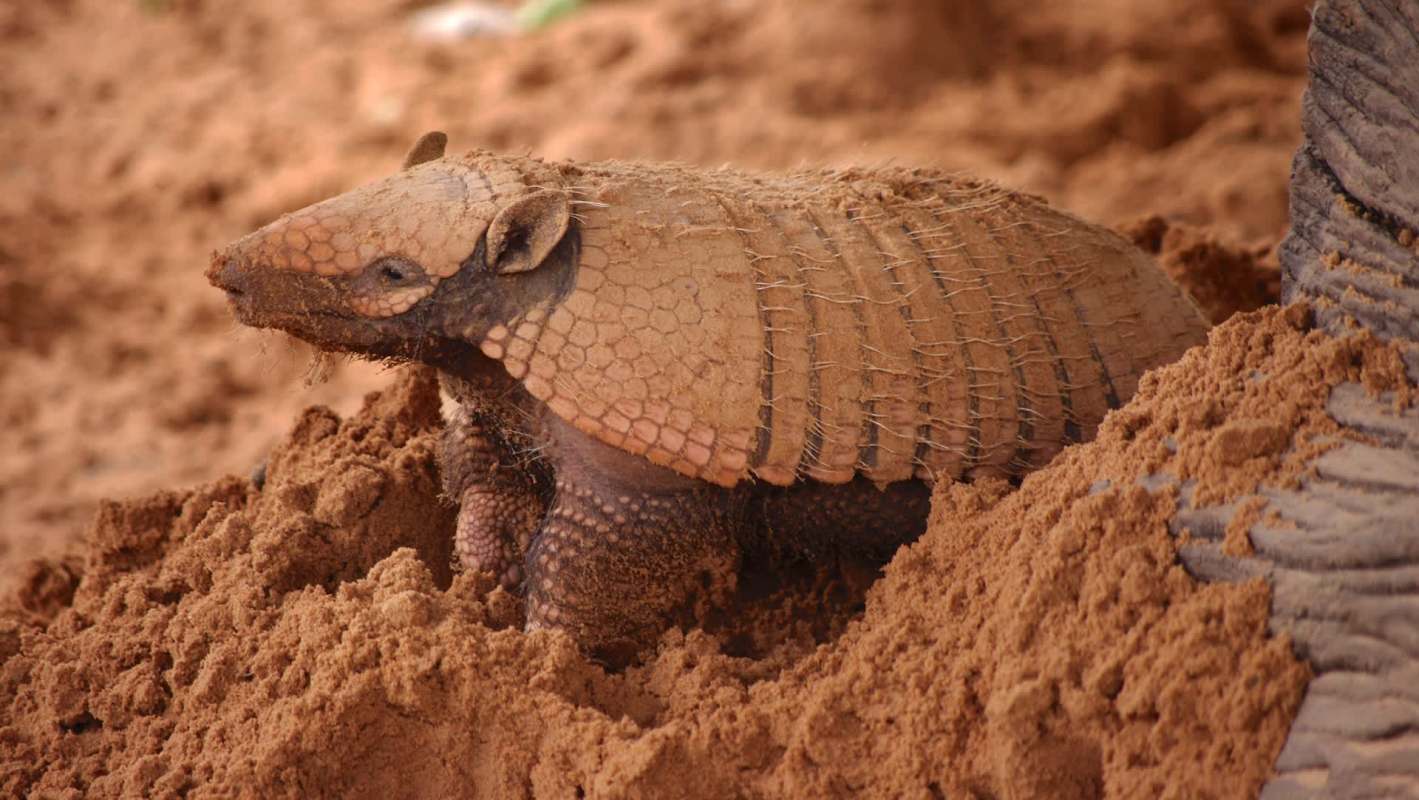
A recent increase in Florida infections that appear to have been acquired locally has renewed scrutiny of Hansen's disease — better known as leprosy — and prompted researchers to examine whether soil near armadillo burrows may play a role.
Although the disease is rare, symptoms can take years to surface, and early treatment is important.
What's happening?
Nationwide, the National Hansen's Disease Program recorded 205 cases in 2024, and Florida ranked among the leading reporting states, according to the University of Florida Emerging Pathogens Institute.
UF researchers say that North and Central Florida have seen an increase in infections acquired within the state over the past 5 to 10 years.
The disease is caused by Mycobacterium leprae and, less often, Mycobacterium lepromatosis. UF researchers say locally acquired U.S. cases often occur in areas where the nine-banded armadillo is found, consistent with the animal's role as a natural reservoir for the bacteria.
Researchers are also looking at whether the environment itself may be part of the transmission pathway. UF researchers note that some cases have been identified in people with no known contact with either an infected person or an armadillo, and because armadillos dig through flowerbeds and foliage and live in burrows that may be near homes, scientists are studying whether contaminated soil could be involved.
TCD Picks » Quince Spotlight
💡These best-sellers from Quince deliver affordable, sustainable luxury for all




The slow pace of the infection adds to the difficulty of spotting it. The bacteria multiply gradually, and symptoms may not appear for up to 20 years after exposure, though typically within 5 years.
Why does it matter?
The concern for public health is not that Hansen's disease is common, but that it can be cured if caught and treated, while a late diagnosis can leave permanent damage.
Early signs often involve the skin, including pale or reddish patches, thickening, or nodules. The disease can also injure peripheral nerves, leading to tingling, numbness, weakness, and reduced sensation.
When feeling is diminished, injuries may go unnoticed, which can contribute to chronic sores, disability, or eye damage if the condition is not treated.
The disease remains uncommon in part because about 95% of people are naturally not susceptible to infection.
In Florida, especially where armadillos are common, unexplained numb patches of skin or enlarged nerves should be evaluated by a healthcare provider. Doctors can confirm the diagnosis through exams and tests such as skin biopsies.
Researchers also see this as part of a broader pattern they continue to monitor: the connections among human health, animal health, and the environment.
What can I do?
Experts say the most practical step is to avoid close contact with nine-banded armadillos and their burrows. If the animals are frequenting your yard, wildlife management services may be able to help remove them safely.
Because soil is considered a possible route of exposure, precautions include wearing gloves, covering open cuts or scratches, and using clothing that protects the hands and extremities when handling soil.
For people caring for someone with chronic Hansen's disease infection, the UF source advises wearing protective gear such as gloves and a mask, since the bacteria can spread through prolonged close contact and, in some cases, respiratory droplets.
On the research side, the University of Florida's Emerging Pathogens Institute says it has brought together experts from multiple fields and is applying a One Health approach to examine how people, animals, and the environment connect and to better understand who may be most at risk.

Get TCD's free newsletters for easy tips, smart advice, and a chance to earn $5,000 toward home upgrades. To see more stories like this one, change your Google preferences here.






