


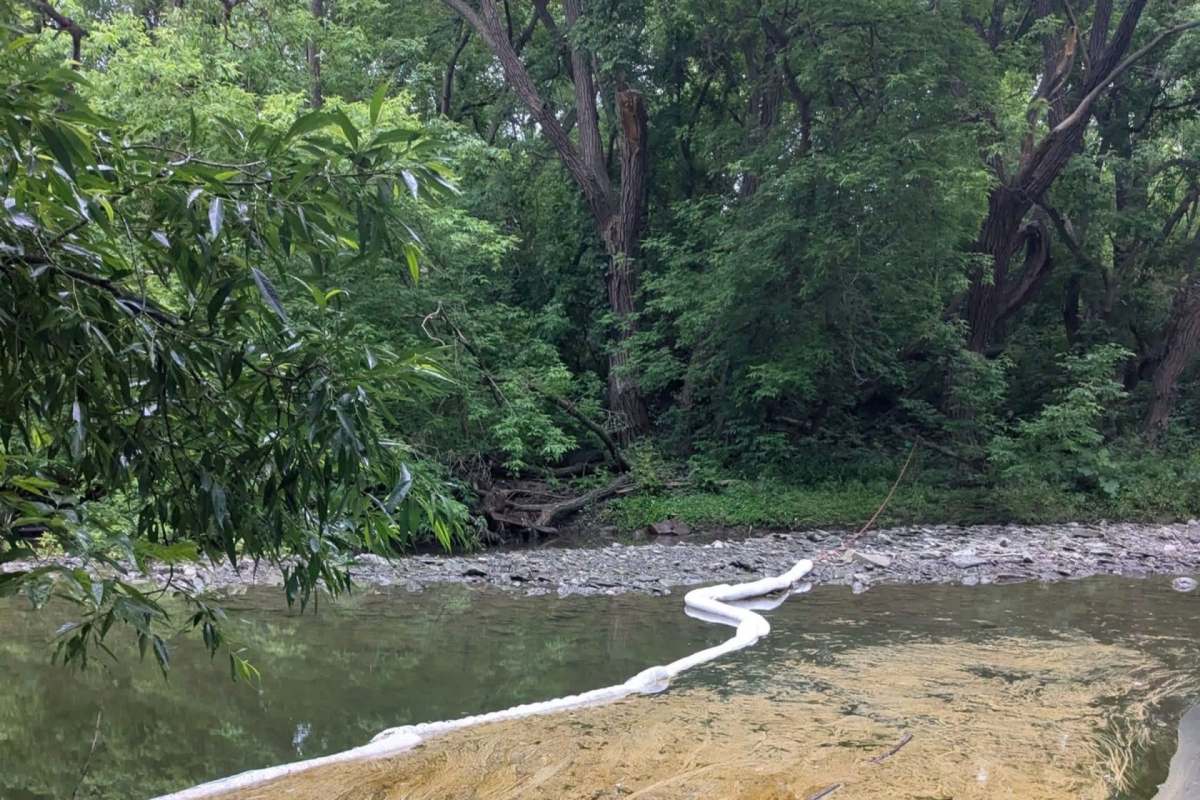
Authorities and wildlife responders are dealing with a diesel spill in Toronto's Mimico Creek, prompting cleanup efforts and a warning for people spending time near the water.
Rescue staff say birds and other animals that use nearby shoreline habitat could be endangered if petroleum contamination spreads.
What happened?
On June 25, Toronto Wildlife Centre warned that a recent diesel spill in Mimico Creek could expose waterbirds and other local wildlife to contamination. The centre said on Instagram that city officials and Ontario's environment ministry were already responding to the incident.
Even as crews try to contain the spill, the Centre said wildlife in the area remains at risk: "Diesel and other petroleum products can have serious impacts on waterbirds, aquatic wildlife, and other animals that come into contact with contaminated water."
Residents and visitors around Mimico Creek, Humber Bay, and nearby shoreline areas are being asked to watch for animals that may have been exposed. That includes those with "oily or matted feathers or fur, and birds that are excessively preening."
Why does it matter?
Fuel spills are especially dangerous for birds because oil and diesel can coat feathers and strip away their waterproofing. They make it harder for animals to stay warm, float, or fly.
TCD Picks » Quince Spotlight
💡These best-sellers from Quince deliver affordable, sustainable luxury for all




Aquatic animals can also be harmed through skin contact, inhalation, or swallowing contaminated water or prey.
Mimico Creek runs through a densely populated part of Toronto into an area used by both wildlife and residents.
Early detection can improve the chances that trained professionals can intervene. And proper resource management can ensure that diesel spills don't happen in the first place.
What's being done?
Toronto Wildlife Centre says its rescue team is continuing to watch the situation.
Anyone spending time near Mimico Creek, Humber Bay, or adjacent shorelines can help by staying alert for distressed wildlife.
If wildlife appears contaminated, people should not try to wash or handle the animal themselves. Improper handling can worsen injuries and create risks for people as well.
Instead, observers should note the exact location and contact local wildlife rescue professionals or relevant authorities as quickly as possible. Keeping dogs leashed and giving shoreline birds extra space can also help reduce stress for animals that may already be struggling.
One person commented, "This should not be happening in today's world."
"It's a deliberate dump, and whoever is responsible needs to be held accountable," another commenter suggested.
Another person wrote, "My heartbreaks for all of the wildlife affected."

Get TCD's free newsletters for easy tips, smart advice, and a chance to earn $5,000 toward home upgrades. To see more stories like this one, change your Google preferences here.







