


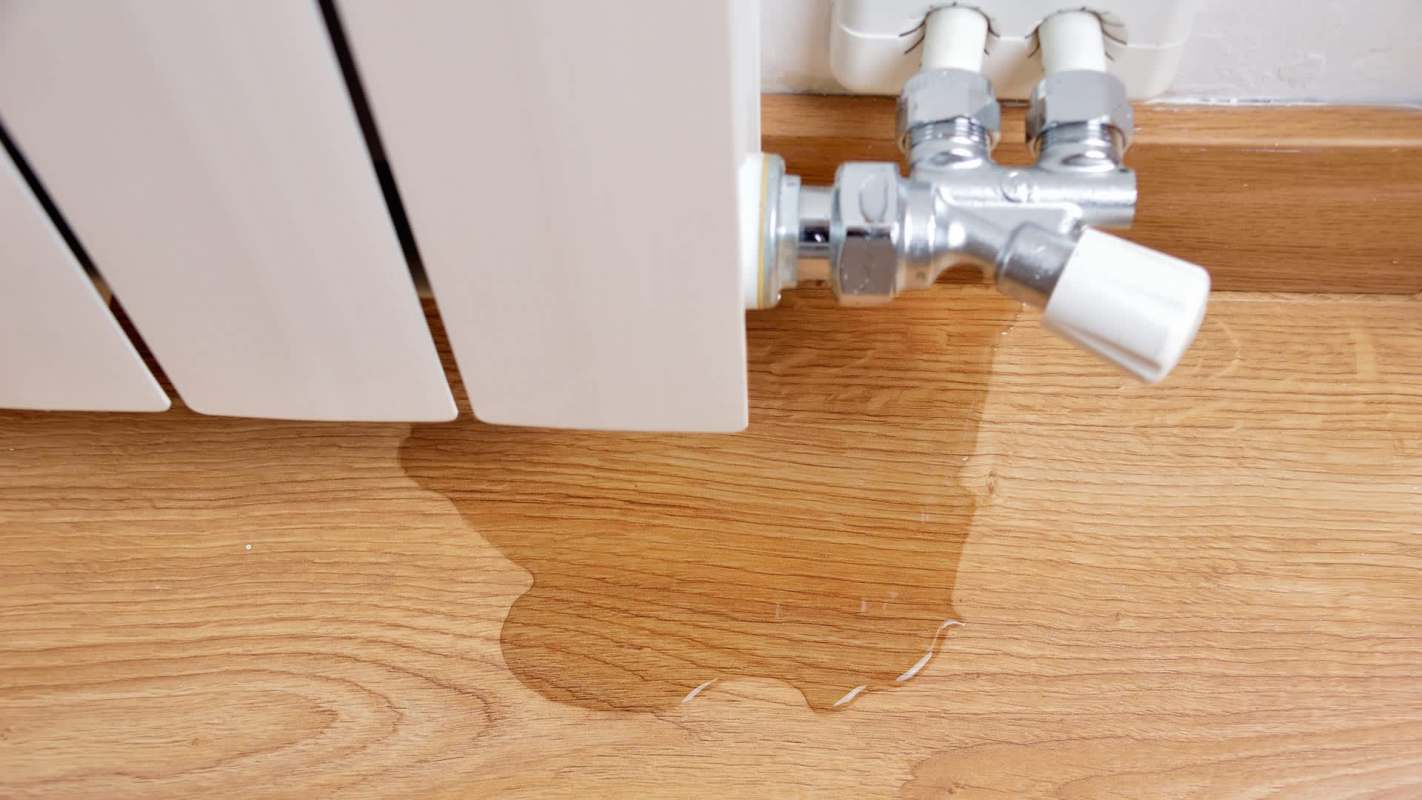
After checking the pressure with a gauge connected outside, a homeowner investigating recurring leaks found an alarming result: the reading briefly jumped above 200 pounds per square inch before settling at 125 psi. That kind of spike can quickly damage plumbing.
What happened?
On Reddit, the homeowner wrote, "Random leaks throughout the home with pressure spikes most notable after no-use periods," and said that replacing a hot-water expansion tank had not fixed the issue, even though the old one appeared full of water.
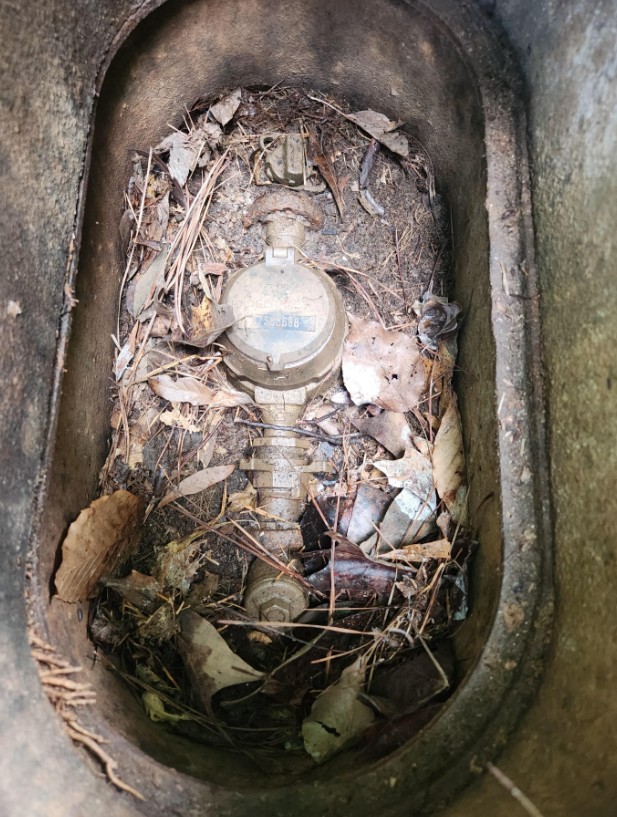
The home already had a PRV (pressure-reducing valve) installed indoors, but a reading from the outside hose bib still looked severe. According to the poster, the gauge "initially pegged the gauge >200 psi before stabilizing at 125."
Among the replies, commenters zeroed in on the PRV. One wrote, "PRV is faulty. Replace with new. Normal house pressure 50-75psi." Another warned, "125 PSI will be a problem."
One commenter also suggested the situation could be even riskier if older piping is involved: "New PRV is in order, but seems you may have galvanized water lines, maybe underground. They must go."
Why does it matter?
Water pressure this high can shorten the lifespan of nearly everything connected to the plumbing system, including faucets, toilet valves, washing machine hoses, dishwashers, and water heaters. Even a small leak can waste a surprising amount of water over time, and when hot water is involved, it can also mean wasted energy.
The homeowners' best option may be to switch to a heat pump water heater, as it can offer potential energy bill savings.
Because the biggest surges occurred after water had been sitting unused, one possible explanation is pressure creep, which occurs when pressure builds in the system during idle periods, often because a pressure-reducing valve is no longer working properly.
Save $10,000 on solar panels without even sharing your phone number Want to go solar but not sure who to trust? EnergySage has your back with free and transparent quotes from fully vetted providers in your area. To get started, just answer a few questions about your home — no phone number required. Within a day or two, EnergySage will email you the best options for your needs, and their expert advisers can help you compare quotes and pick a winner. Solar panels can save you more than $50k over their 25-year lifespan, and EnergySage can help you save as much as $10k on installation. Which begs the question — isn't that worth an email or two? |

That can mean higher utility bills, repeated repair visits, and, in more serious cases, damage to walls, floors, or cabinets. If older galvanized lines are also part of the plumbing system, excess pressure can make an already vulnerable setup even more likely to fail.
What can I do?
Unexplained drips, banging pipes, and frequent hose or valve replacements can all point to a pressure problem. A simple gauge attached to an outdoor spigot can indicate whether the pressure is well above the typical residential range.
For homeowners already considering broader water-heating upgrades, Cala and its smart heat pump water heaters are a great option to consider. Its customizable smart heat pump water heaters help homeowners reduce their energy bills by heating water only when needed.
Learning more about Cala could make sense for homeowners replacing older equipment and aiming for a more efficient setup.
A pressure issue still needs a plumbing fix first, but pairing essential repairs with efficient upgrades can help protect both a home and a household budget.

Get TCD's free newsletters for easy tips, smart advice, and a chance to earn $5,000 toward home upgrades. To see more stories like this one, change your Google preferences here.






