


Claims that Amazon's 30-minute grocery delivery generates significant food waste are drawing notice on Reddit, where users are questioning whether extreme convenience comes with an unseen downside.
What happened?
A poster on Reddit wrote that "Amazon Now 30-minute delivery throws away so much food every day."
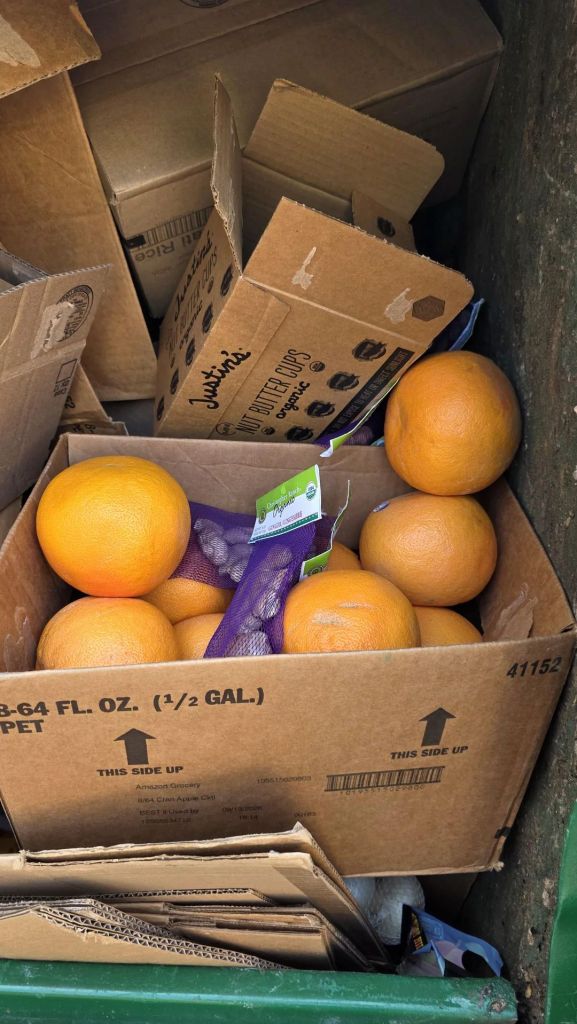
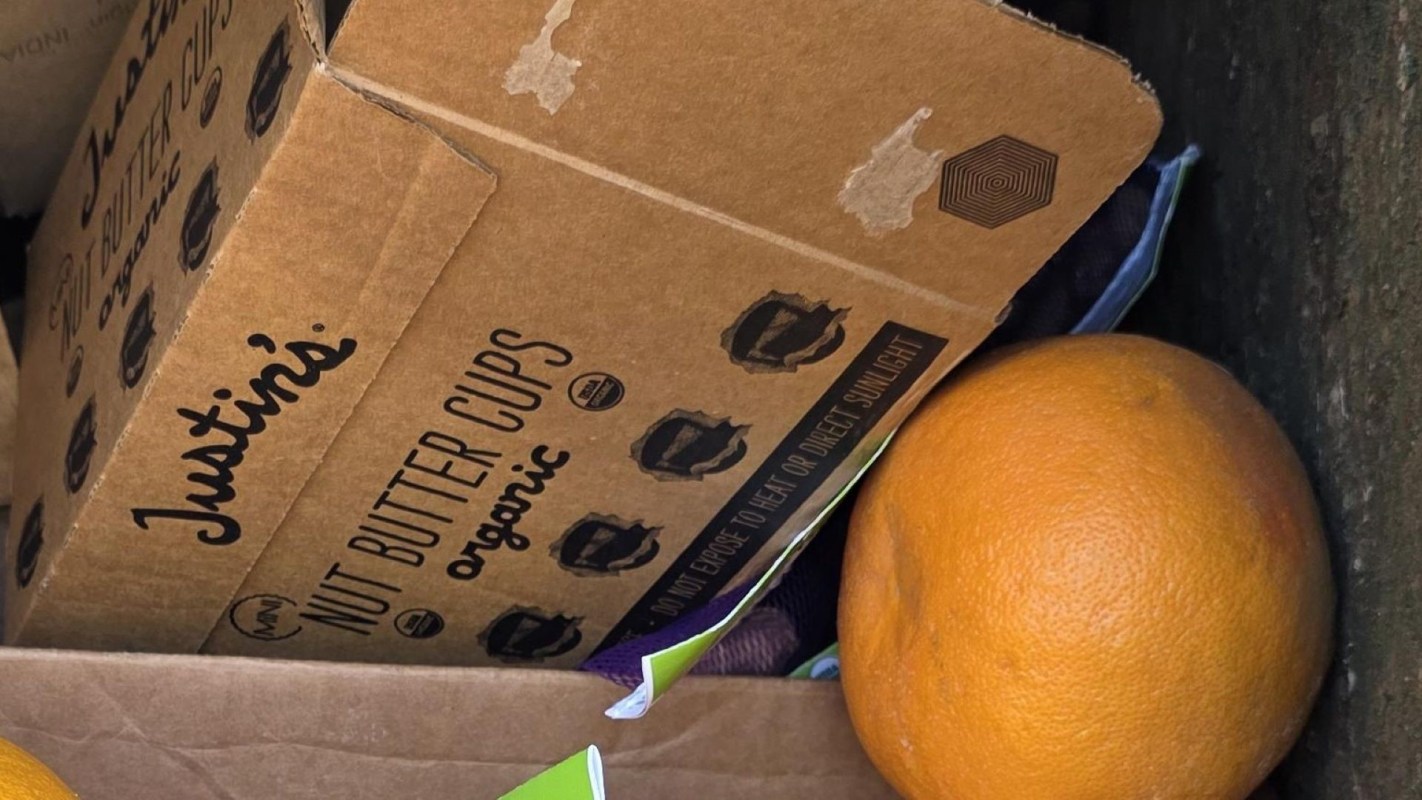
Clarifying in the comments, the poster said, "I took this picture at an Amazon Now station. This is just an example of what they throw out. I've seen them routinely throw out various foods that fill an entire dumpster."
They also framed the complaint more broadly, writing: "Capitalism has a food distribution problem. There's abundance."
It's worth noting the poster only showed proof of a box full of oranges or grapefruits and a couple of bags of organic ginger, and that there is no way of knowing what led to them ending up in the trash, such as evidence of spoilage, a recall, or contamination. Amazon does list waste-reduction efforts on its website.
Why does it matter?
Throwing away edible food wastes far more than the food itself: It also squanders the land, water, energy, labor, packaging, and transportation that went into producing it. The issue stands out even more because food insecurity remains a reality for many people.
TCD Picks » Quince Spotlight
💡These best-sellers from Quince deliver affordable, sustainable luxury for all




Redistributing food is not always straightforward, since anything donated must still be safe to eat. Even so, commenters shared examples they see as proof that disposal is not the only option.
A commenter who said they work in a food-waste charity linked the problem to limited refrigeration and a retail promise of freshness, writing that "every day they don't have enough storage or refrigeration, but because they promise 'fresh' produce they throw away van loads in the evening." The same person added that some delivery setups discard and replace items when orders are canceled or delayed.
What are people saying?
Some replies focused on existing workarounds. One commenter pointed to the Too Good To Go app, saying, "They send out notifications for food that's about to be tossed/ store leftovers. I get bags of bakery goods that would otherwise be trashed from them."
There were also plenty of negative feelings toward Amazon in the comments.
One person wrote, "I haven't bought anything from Amazon in months. I don't miss it one bit."
Another asked about the system if that's happening, saying, "So what, they pick a spot they think is within 30 minutes of the most potential orders, stock it up, and just hope someone buys it? And if not, throw it away?"
Amazon says on its sustainability directory that it does take steps to reduce food waste, though it's more difficult to find detailed information about how any 30-minute delivery locations work if they are not operated out of a Whole Foods grocery store.
"To reduce food waste, we're improving our management and distribution channels and buying practices to minimize surplus food inventory," the site says. "We also work to reduce our surplus by offering discounts on items at risk of becoming waste. Where food waste is not preventable, we're working to keep it out of landfills."
Primarily through Whole Foods, Amazon also makes expiring food available in in-store locations at a discount and through the Too Good To Go app.

Get TCD's free newsletters for easy tips, smart advice, and a chance to earn $5,000 toward home upgrades. To see more stories like this one, change your Google preferences here.






