


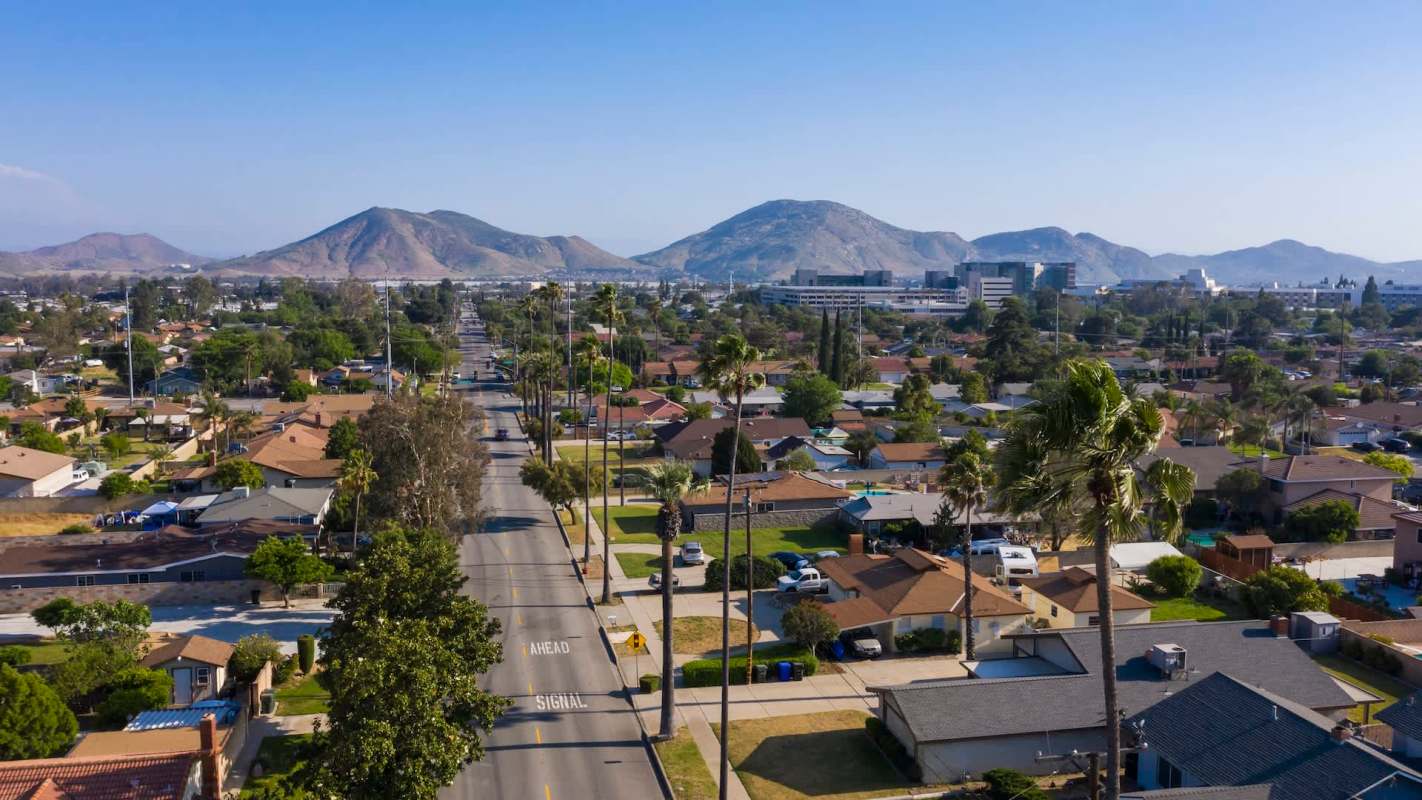
Rising homeowners association dues are becoming another burden in California's expensive housing landscape.
State lawmakers are debating whether tighter limits on future increases could help keep existing residents from being priced out of the communities they already call home.
What's happening?
A report republished by KPBS explained that HOA dues are climbing alongside mortgage rates, utility bills, and insurance premiums, which has led to the state legislature considering intervention.
Enter Senate Bill 1007. The bill would limit annual HOA fee increases to 8% unless homeowners approve a larger increase, replacing current rules that generally allow dues to rise by up to 20% without that vote.
The proposal comes as homeowners are already dealing with mounting housing costs. HOA communities also make up an increasing share of the housing market.
Using U.S. Census Bureau data, 67% of newly built single-family homes nationwide in 2024 were part of HOAs, compared with 46% in 2009.
TCD Picks » Quince Spotlight
💡These best-sellers from Quince deliver affordable, sustainable luxury for all




In California, HOA living is common: more than one-third of residents and about 65% of homeowners live in those communities. Median monthly dues statewide are nearly $300, and in higher-cost areas, they can be far higher.
At a March hearing, the bill's author, Van Nuys Democratic Senator Caroline Menjivar, said: "This bill is about providing information to a homeowner to understand how much they're gonna be paying."
Why does it matter?
Supporters of the bill say HOA dues have become a serious household expense rather than a minor add-on, especially for residents already squeezed by the broader cost-of-living crisis.
At the hearing, Marjorie Murray, president of the Center for California Homeowner Association Law, said sharp yearly increases can quickly throw family finances off balance.
"This is unsustainable. Even regular assessments raised by 20% will double in four years and triple in five," she said. "Nobody's salary or Social Security or retirement income goes up by those kinds of percentages."
The debate over HOAs reaches beyond monthly dues. Associations around the country have also faced criticism for preventing money-saving home improvements, such as rooftop solar panels and native-plant lawns, which can reduce water use and maintenance expenses.
Homeowners hoping to push for those kinds of practical changes can use The Cool Down's guide on working with HOAs to better understand bylaws and press for reform.
Critics of the California measure say a stricter cap on annual increases could leave associations short of needed funds and lead to even steeper repair costs later.
What's being done?
The measure has revealed a political split in Sacramento. It still advanced on a 24-13 vote last month, even after six Democrats joined a majority of Republicans in opposing it at a Senate hearing.
Backers of the proposal, including consumer advocates and realtor groups, say it would not stop associations from covering necessary expenses.
They argue it would simply require direct homeowner approval before especially large dues hikes could take effect.
As California Association of Realtors lobbyist Sanjay Wagle said: "The realtors trust the homeowners. They'll protect their investment."
Lawmakers are also weighing additional HOA-related changes, including a transparency bill to make meetings and records easier to access and another proposal to require stronger reserve funds for major maintenance.
Still, opponents such as HOA board member Robert Henricks say older communities still face costly repair needs, and he warned that a tighter cap could create a "pay me now or pay me later" problem.

Get TCD's free newsletters for easy tips, smart advice, and a chance to earn $5,000 toward home upgrades. To see more stories like this one, change your Google preferences here.






