


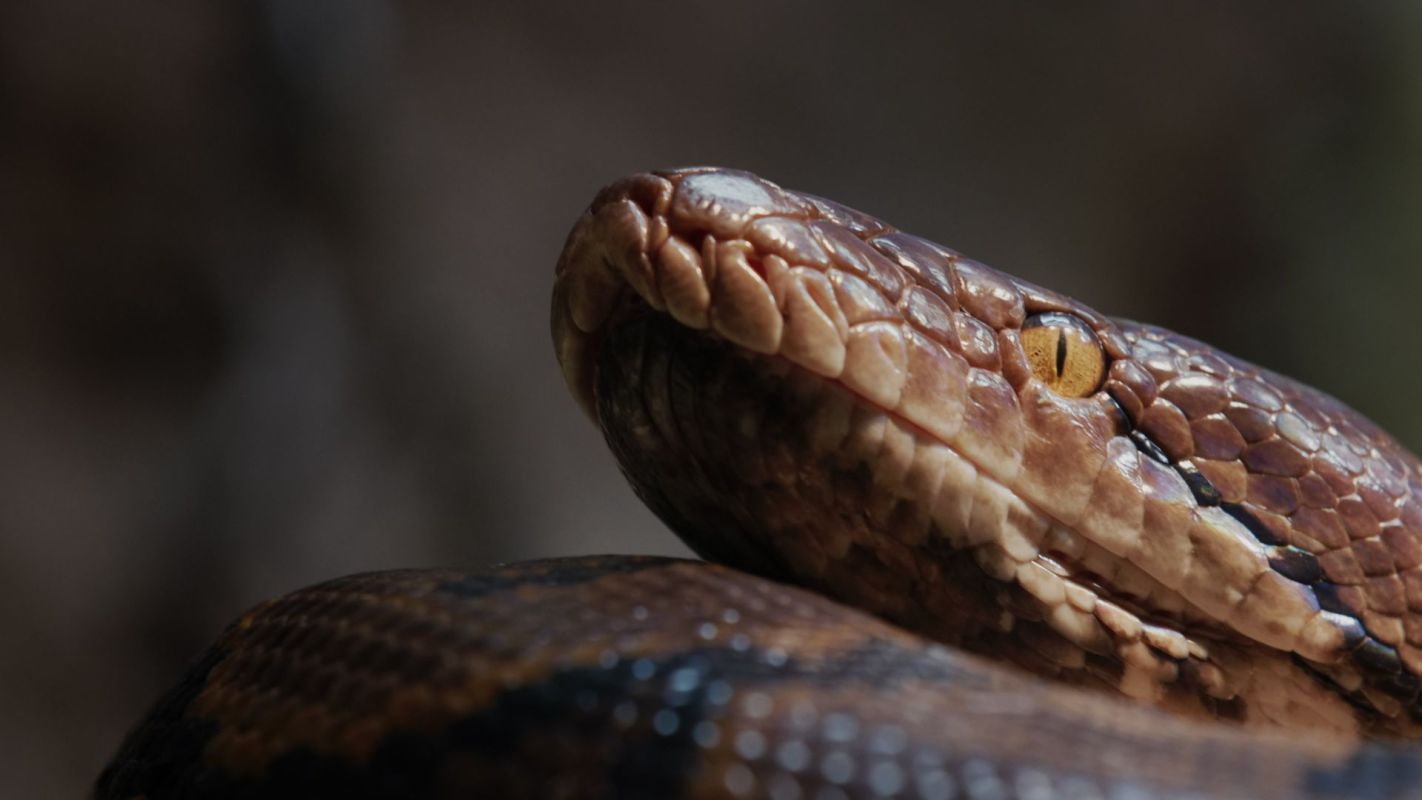
A 3-meter (almost 10-foot) python was captured in Sai Kung, Hong Kong, after authorities found the snake near a farm with a noticeably swollen belly, raising suspicions that it had just eaten a goat.
What happened?
According to The Standard, police were alerted at about 8 p.m. Wednesday after a snake was seen near a farm in Tseng Lan Shue. Officers later found the python in the area and believed the animal had recently fed.
A veterinarian from the Agriculture, Fisheries, and Conservation Department reportedly joined police at the scene, where the snake was secured in a capture bag. It was then moved to Tseung Kwan O police station to be held temporarily.
Pythons rank among the largest snakes in Hong Kong's country parks and typically feed on small mammals, though they can also take livestock.
Why does it matter?
In many parts of the world, people and wild animals are increasingly sharing the same spaces. When farms, roads, and homes are built close to natural habitat, predators can be drawn by easy food sources such as chickens, goats, pets, and rodents attracted to human activity.
That overlap can be costly for residents and dangerous for animals. Farmers can lose livestock, emergency crews can be called into risky removals, and protected wildlife can end up in situations that leave them vulnerable to injury or retaliatory death.
TCD Picks » Quince Spotlight
💡These best-sellers from Quince deliver affordable, sustainable luxury for all




In cases such as this, the snake is not so much invading a human space as moving through a landscape shaped by people. Securing pets and farm animals at night, reducing food that could attract snakes, and preserving habitat corridors can lower the chances of these encounters.
What are people saying?
Sai Kung Buzz added the next steps for the captured python.
"If it is found to be uninjured after examination, it will be released back into the wild," the outlet wrote. "However, first, they have to ascertain whether the snake actually swallowed a goat."
Pythons are specifically protected in Hong Kong by local ordinances, and the goal is to release them back into suitable habitat, as Kadoorie Farm and Botanic Garden noted.
KFBG added that the Wild Snake Rescue Project and Burmese Python Conservation Project tag animals with microchips to track their whereabouts and behavior as well as monitor whether the python gets captured again.

Get TCD's free newsletters for easy tips, smart advice, and a chance to earn $5,000 toward home upgrades. To see more stories like this one, change your Google preferences here.







