


For many home gardeners, potatoes are treated like a crop that demands constant mounding and lots of trial and error. But one expert says his preferred method is much simpler: plant them deeper, leave more space between them, and only hill when tubers risk being exposed to light.
What happened?
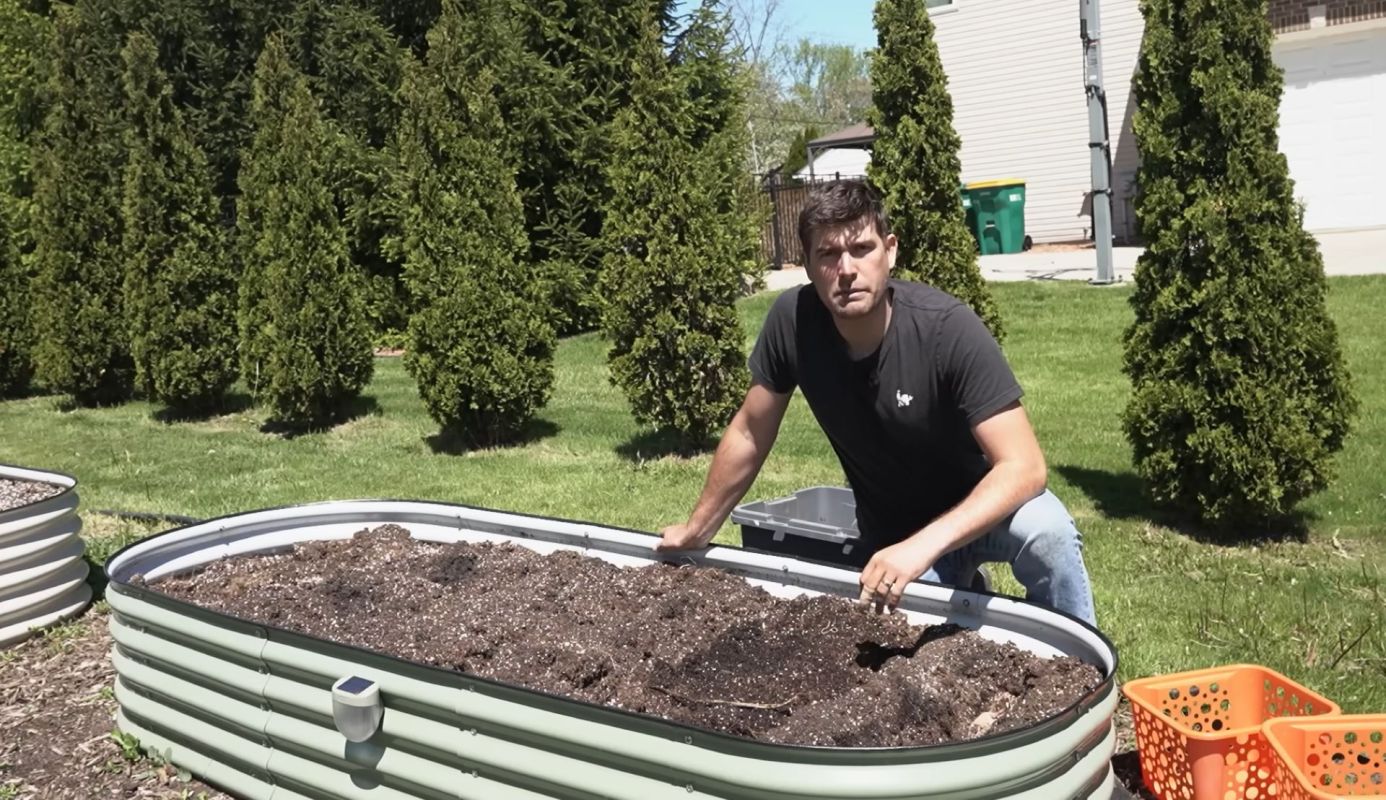
In a recent YouTube video, Luke Marion of the MIgardener channel said his standard potato setup relies on depth and spacing. His go-to method is to set seed potatoes several inches down and about 10 inches apart, since he says crowding can reduce yield.
Marion said the real purpose of hilling is to keep forming potatoes out of the light, not to make plants produce more.
"We are not getting more potatoes," he said, arguing that adding soil or mulch is mainly useful for stopping tubers from turning green in the sun.
He said soil conditions matter just as much as planting technique. Potatoes are heavy feeders, according to Marion, and slightly acidic soil can help limit scab, a disease that leaves tubers with rough, scarred skins. He also warned against using wood ash as a potassium source, saying, "When we're planting our potatoes, pH matters."
One commenter wrote, "I always 'hill' my potatoes with a thick layer of leaf mulch (saved from last fall). This is easier to use than soil and it blocks the sunlight perfectly."
TCD Picks » Quince Spotlight
💡These best-sellers from Quince deliver affordable, sustainable luxury for all




Why does it matter?
Gardening can offer real benefits for consumers. Even though store-bought potatoes are relatively inexpensive, growing your own food can still help cut produce bills over time, especially for families tending multiple crops.
Fresh-dug potatoes also tend to taste better than older supermarket stock, and gardeners get the added reward of knowing exactly how their food was grown.
Digging trenches, hauling compost, mulching, and harvesting all add physical activity, while gardening itself is widely valued as a stress-relieving hobby that supports mental well-being. A lower-fuss method may also make the hobby feel more accessible to people just getting started.
What can I do?
Potato advice can get confusing fast, especially when garden myths get repeated. Marion singled out one of those claims, saying the idea that potatoes are "determinant" or "indeterminate" is a misunderstanding borrowed from tomato talk.
If you want to try his approach, focus on soil and spacing first. Loose, well-draining ground and enough room for each seed potato match his method, while deeper planting can cut down on the need for repeated hilling later.
Mulch can still be helpful if your potatoes were planted shallowly or if tubers start poking through the soil. Straw, grass clippings, or saved leaves can keep sunlight off them with less work than repeatedly piling up dirt, which can be especially helpful in smaller gardens or raised beds.
As Marion put it, "You can't buy fun for 10 to 15 bucks. That's for sure."

Get TCD's free newsletters for easy tips, smart advice, and a chance to earn $5,000 toward home upgrades. To see more stories like this one, change your Google preferences here.






