


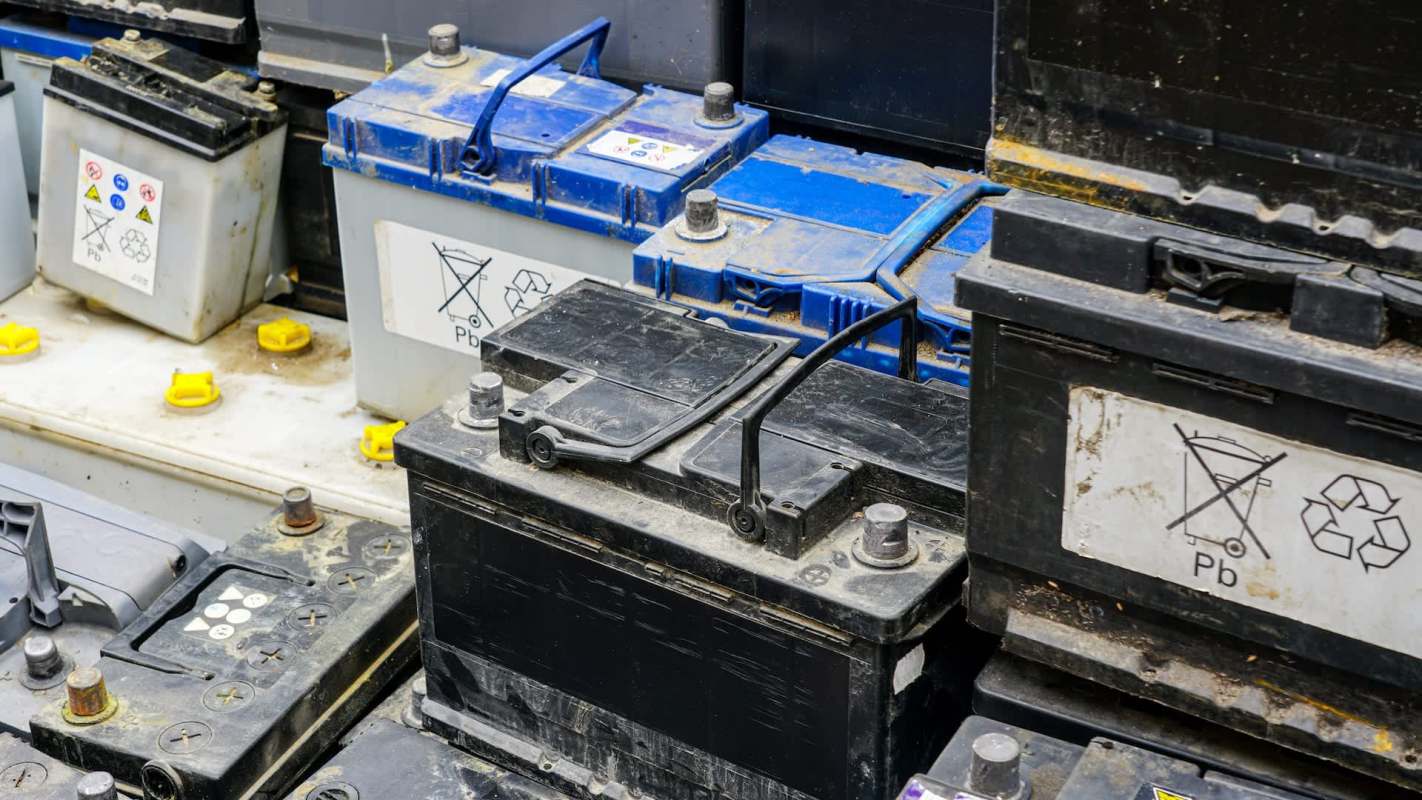
Colorado is taking a major step to address one of the biggest lingering questions around electric vehicles: What happens to the battery once the car reaches the end of its life?
By becoming the first state to implement a wide-ranging EV battery policy focused on reuse, repurposing, and recycling, Colorado could reduce waste, lower demand for newly mined materials, and make cleaner transportation more sustainable over time.
What happened?
In an opinion essay for The Colorado Sun, Jill Baron, who earned a Ph.D. in ecosystem ecology at Colorado State University and retired from the United States Geological Survey, said Senate Bill 3 gives Colorado a statewide system for safely dealing with EV batteries after they are no longer used in cars.
The measure became law on June 3, when Governor Jared Polis signed it. Baron said the bill drew support from automakers, recyclers, vehicle dismantlers, and environmental organizations, a notable alliance as EV adoption continues to increase.
Baron said Colorado had more than 210,000 registered EVs in 2025, with electric models accounting for nearly 30% of new car sales statewide.
Against that backdrop, the law is designed to prioritize reusing batteries when feasible, then repurpose them for other applications, and finally recycle them to recover valuable minerals.
TCD Picks » Quince Spotlight
💡These best-sellers from Quince deliver affordable, sustainable luxury for all




Baron contrasted EVs with gasoline- and diesel-powered vehicles, writing that conventional cars and trucks produce pollution that worsens ozone levels, harms health, and fuels climate change, whereas EVs have no tailpipe emissions.
Why does it matter?
Electric vehicles are already associated with lower maintenance needs and quieter rides, and stronger battery recovery systems could also help reduce material costs by keeping valuable minerals in circulation.
Baron wrote that EVs do not emit "tailpipe toxins that lead to health problems such as asthma, cancer and cardiovascular diseases."
Because mining lithium, cobalt, and nickel can cause significant environmental harm — and Colorado has a long history of abandoned mines that damage streams — recovering more material from used batteries could reduce the push for new mining while also reinforcing domestic supply chains.
TCD Picks » Quince Spotlight
💡These best-sellers from Quince deliver affordable, sustainable luxury for all
Baron said current recycling techniques can recover more than 90% of lithium, cobalt, and nickel.
She also pointed to a Union of Concerned Scientists estimate that recycling and efficiency improvements could provide 50% of U.S. lithium mineral needs from recycled content.
What's being done?
Under Senate Bill 3, automakers are responsible for helping manage batteries once they are no longer in use, including finding second-life applications when possible and recycling them to recover minerals.
Baron wrote that the system is modeled on approaches already used in places including the European Union and China.
After their time in vehicles, EV batteries can be repurposed for stationary storage or backup power, helping communities remain resilient during extreme weather and supporting a grid that relies more heavily on wind and solar.
The law also requires battery health information to make repurposing simpler.
If EV adoption continues to expand, Colorado's system could also serve as an example for other states.
As Baron wrote, "Leadership means planning not just for today's challenges, but for tomorrow's — with practical solutions."
She added that as other states transition to clean transportation, "Colorado has provided a model worth following."

Get TCD's free newsletters for easy tips, smart advice, and a chance to earn $5,000 toward home upgrades. To see more stories like this one, change your Google preferences here.







