


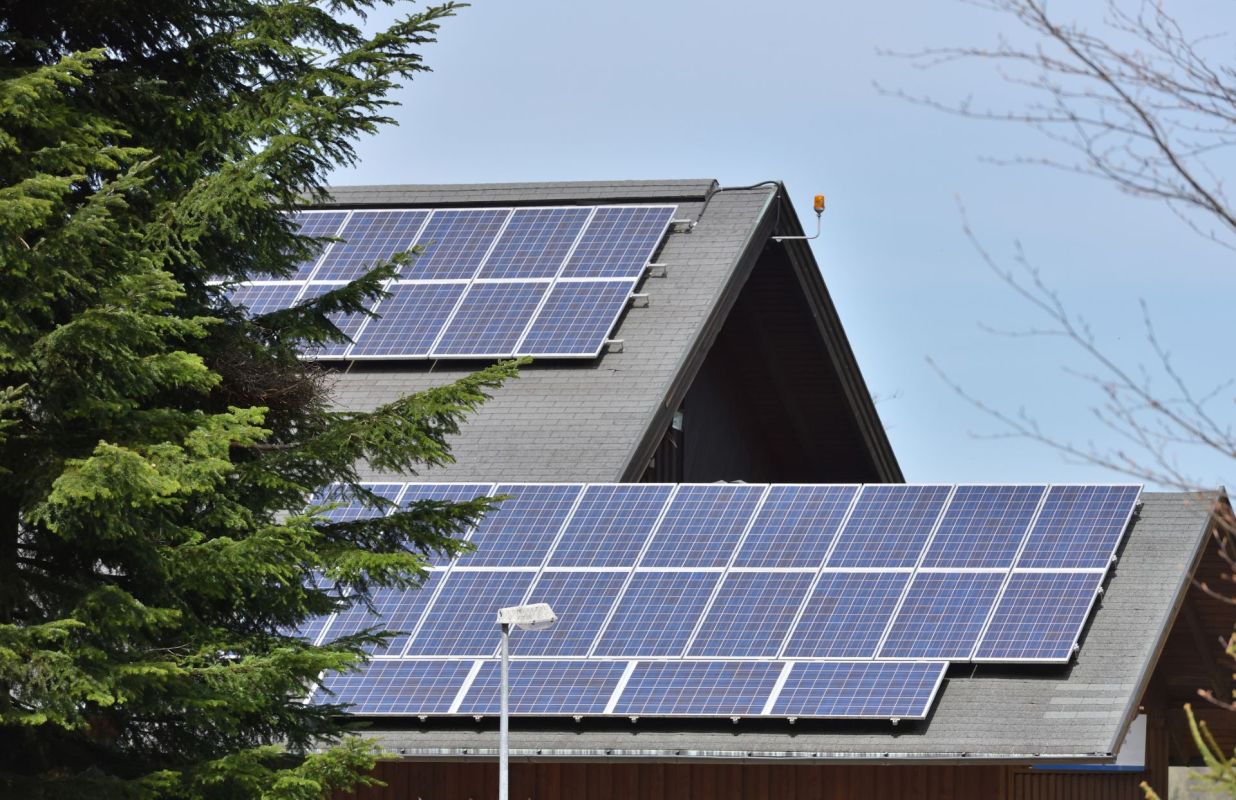
A Virginia resident who already has rooftop solar is weighing whether a small shed-mounted plug-in setup could lower bills further — and whether doing so might attract utility attention or put a current net metering arrangement at risk.
What's happening?
On Reddit, the homeowner described having a utility-approved solar system that is already grid-connected and enrolled in 1:1 net metering. The problem, they said, is that it "only covers 80% of my annual usage" and they "want to hit 100%."
Instead of updating the system through the usual utility process, the poster wrote, "I'm tempted to buy a small plug-and-play kit, mount it on my shed, and back-feed it into an outlet."
Their uncertainty centered on Virginia's new plug-in solar policy as described in the post: It allows systems up to 1,200 watts without approval, but the law "explicitly excludes these devices from net metering and bans grid export."
With that in mind, the homeowner asked, "Will I get caught?" and "What's the penalty?"
Why does it matter?
Plug-in solar can sound like an appealing shortcut because it is often smaller, cheaper, and easier to install than a rooftop system. For a homeowner who only needs a little more juice, a shed-mounted kit may seem like a quick way to reduce the remaining portion of a power bill.
Still, the money-saving benefit depends heavily on utility rules. If a utility does not allow grid export from those devices, the homeowner may only benefit when that extra electricity is used immediately inside the home rather than flowing back through the meter.
Enforcement was a major part of the concern. The poster asked whether a smart meter might notice if "midday exports exceed my main system's approved inverter capacity" and whether the utility would merely require a disconnect or "void my existing NEM contract."
Save $10,000 on solar panels without even sharing your phone number Want to go solar but not sure who to trust? EnergySage has your back with free and transparent quotes from fully vetted providers that can help you save as much as $10k on installation. To get started, just answer a few questions about your home — no phone number required. Within a day or two, EnergySage will email you the best local options for your needs, and their expert advisers can help you compare quotes and pick a winner. |

What can I do?
The interconnection agreement, net metering terms, and any state-specific plug-in solar rules would determine whether new equipment can be added. If the goal is to cover the last 20% of household usage, formally amending an existing system or using a compliant no-export setup may protect savings better than taking a chance with an existing agreement.
Going solar is one of the best ways to save money on home energy, especially if your panels already cover most of your electricity use. Homeowners thinking about expanding a system can use EnergySage to find vetted, local installers.
Adding battery storage to a solar setup is one of the best ways to protect your home during outages, save money on energy, and go off-grid. Batteries can also help capture extra solar power for use at home instead of sending it onto the grid when export rules are tight. Homeowners can also explore EnergySage for information about home battery storage options.

Get TCD's free newsletters for easy tips, smart advice, and a chance to earn $5,000 toward home upgrades. To see more stories like this one, change your Google preferences here.
More From EnergySage
💡Go deep on the latest news and trends shaping the residential solar landscape










