


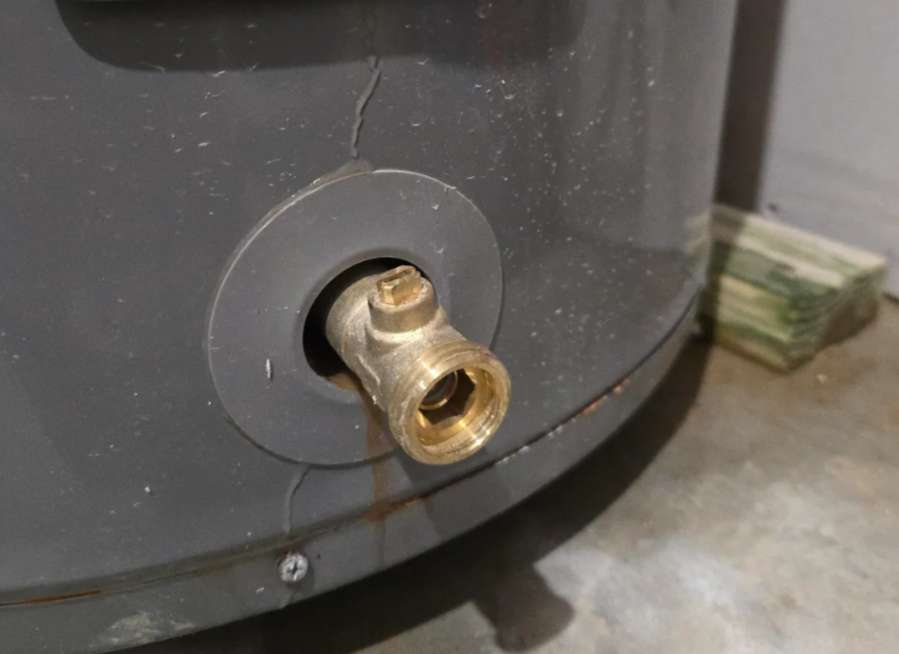
A leaking water heater in a brand-new custom home is frustrating enough. But when the unit is only about six months old, many homeowners would reasonably assume the fix should be simple — and covered.
It can also become the kind of breakdown that opens the door to an upgrade. If a replacement is needed, switching to a heat pump water heater can save on electricity compared with a standard electric model.
What happened?
A post on Reddit described a nearly new Rheem Performance unit at the original poster's in-laws' house. They said it had been installed about six months earlier, that a drip pan had been forgotten, and that the builder had already returned once to address the problem. The poster wrote that the heater in the "brand-new custom-built home is leaking from the bottom cover plate."
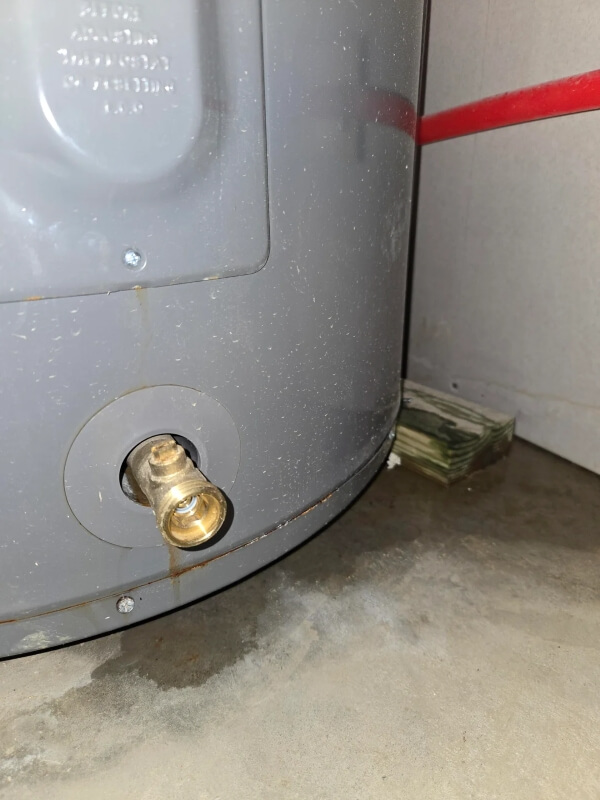
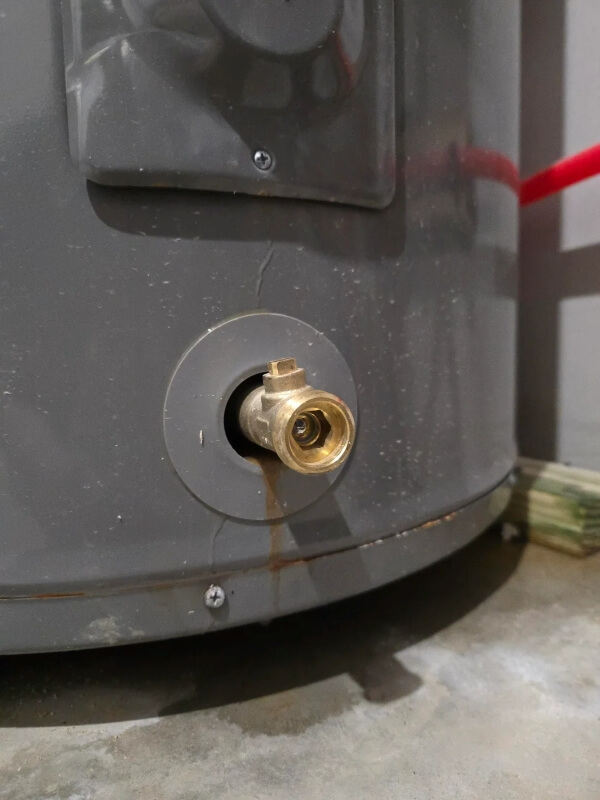
One person in the thread was blunt about the diagnosis, writing, "Yeah, it's a leak and they're not repairable. Definitely need a new heater."
A different commenter suggested the problem may have started during installation, writing, "I've seen that happen when an element was accidentally turned on dry (was connected to the wrong circuit) and split the element casing inside" — suggesting a plumber install error.
Warranty coverage also came up in the discussion. A third commenter wrote, "ALL new water heaters come with manufacturer warranties, this should be replaced for FREE."
Why does it matter?
A leak at the bottom of a water heater can cause more than a visible drip, including soaked insulation, rust on metal components, and moisture that spreads into nearby floors or walls.
The missing drip pan is also notable. While a pan does not solve the underlying defect, it can help limit water damage when something goes wrong — especially in a new home, where owners may reasonably expect major systems to last for years, not months.
Save $10,000 on solar panels without even sharing your phone number Want to go solar but not sure who to trust? EnergySage has your back with free and transparent quotes from fully vetted providers in your area. To get started, just answer a few questions about your home — no phone number required. Within a day or two, EnergySage will email you the best options for your needs, and their expert advisers can help you compare quotes and pick a winner. Solar panels can save you more than $50k over their 25-year lifespan, and EnergySage can help you save as much as $10k on installation. Which begs the question — isn't that worth an email or two? |

If a six-month-old heater failed because it was installed incorrectly, homeowners should not be left paying out of pocket for a replacement. And if replacement is already necessary, it may make sense to consider a more efficient option instead of simply swapping in the same technology.
What can I do?
If this happens in your home, start by documenting everything: photos of the leak, rust, the missing drip pan, and any moisture around the base. Then contact both the builder and the manufacturer, ask for the warranty terms in writing, and request a full replacement assessment rather than a patch job.
If you do end up replacing the unit, it may be worth comparing a standard model with a smart heat pump system such as Cala.
That timing matters because heating water only when needed can reduce electricity waste and lower monthly bills without sacrificing comfort. Homeowners interested in a more efficient replacement can explore Cala, alongside available rebates, tax credits, and installer options in their area.
Even with a warranty replacement, it's smart to ask for a proper drip pan, verify the wiring and startup process, and make sure the installer documents the new unit's warranty from day one. As one commenter put it, "I'd push for a new one, the insulation is likely saturated now... rust on both the external cladding and the cylinder itself."

Get TCD's free newsletters for easy tips, smart advice, and a chance to earn $5,000 toward home upgrades. To see more stories like this one, change your Google preferences here.






