



Eco-labels are meant to help shoppers make more informed purchases, but one consumer's deep dive into a box of well-known Nag Champa incense suggests some "green" badges may be doing the opposite.
Instead of signaling independently confirmed environmental benefits, the badge seemed to point back to the manufacturer's own environmental statements.
What happened?
"I've been trying to be more conscious about the packaging of the stuff I buy so I looked up the Green Product Certificate Satya uses for their Nag Champa (Shrinivas Sugandhalaya BNG)," the shopper wrote in a post on Reddit alongside photos of the box of incense and the certificate.
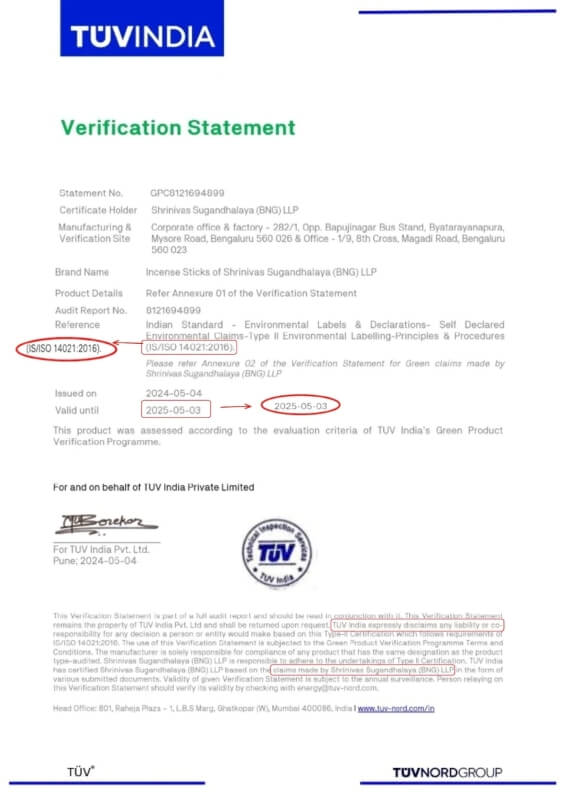
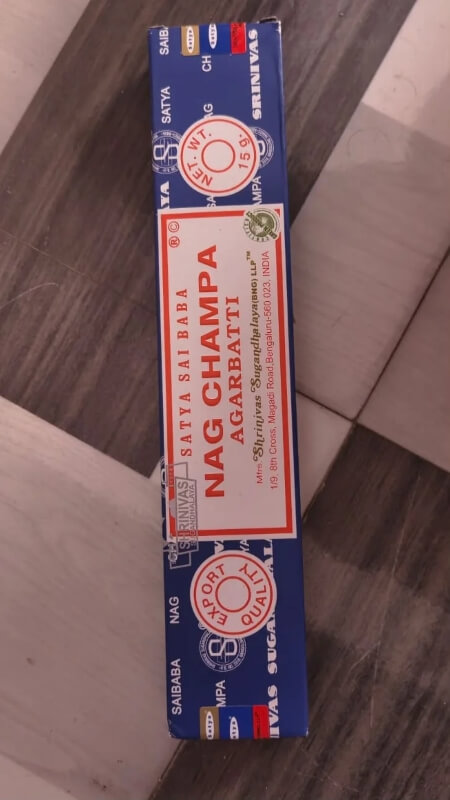
Under that standard, the environmental claim is self-declared by the company. The post said the badge was not proof of a separate life-cycle review of the incense's environmental footprint, but instead appeared to reflect claims the manufacturer submitted to an auditor.
"The auditor even put a disclaimer at the bottom saying they take zero liability and only certified it based on what the company told them. Oh, and the certificate they are proudly displaying to get us to buy it It's expired," the OP continued.
"The wellness industry's ability to manufacture trust just to sell us more stuff is incredibly exhausting. Watch out for these Type II certifications."
TCD Picks » Quince Spotlight
💡These best-sellers from Quince deliver affordable, sustainable luxury for all




"I will say 'self-declared' doesn't necessarily mean it doesn't mean the standard," one commenter said. "They might meet the standard but not want to pay a third party for verification."
Why does it matter?
Many people are genuinely trying to spend their money more thoughtfully. When a product carries a green-looking badge, shoppers may assume it has undergone a rigorous outside review — and may even pay more because of that belief.
If the label is really built on self-reported claims, that trust can be manipulated. It also makes it harder to distinguish between companies making real environmental improvements and those using sustainability language as a marketing tool.
Greenwashing can steer money away from more responsible products, reward weak transparency, and leave the pollution, waste, and resource use tied to consumer goods largely unexamined.
Similar patterns appear in green business reporting, where vague environmental promises can confuse shoppers rather than empower them.
What can I do?
If you're trying to shop more consciously, one practical step is to slow down whenever you see a badge, seal, or certification logo. Check who issued it, whether it is third-party verified, what standard it follows, and whether it is still current.
It also helps to learn the difference between independent certifications and self-declared claims. Labels that sound official can still be based primarily on company-provided information, so looking at details on scope, methodology, and expiration dates can reveal a lot.
Another useful strategy is simply buying less when you can. Anti-consumption doesn't mean never purchasing anything; it can mean resisting marketing pressure, using what you already have, and prioritizing products with clearer sourcing and fewer unnecessary claims.

Get TCD's free newsletters for easy tips, smart advice, and a chance to earn $5,000 toward home upgrades. To see more stories like this one, change your Google preferences here.







