


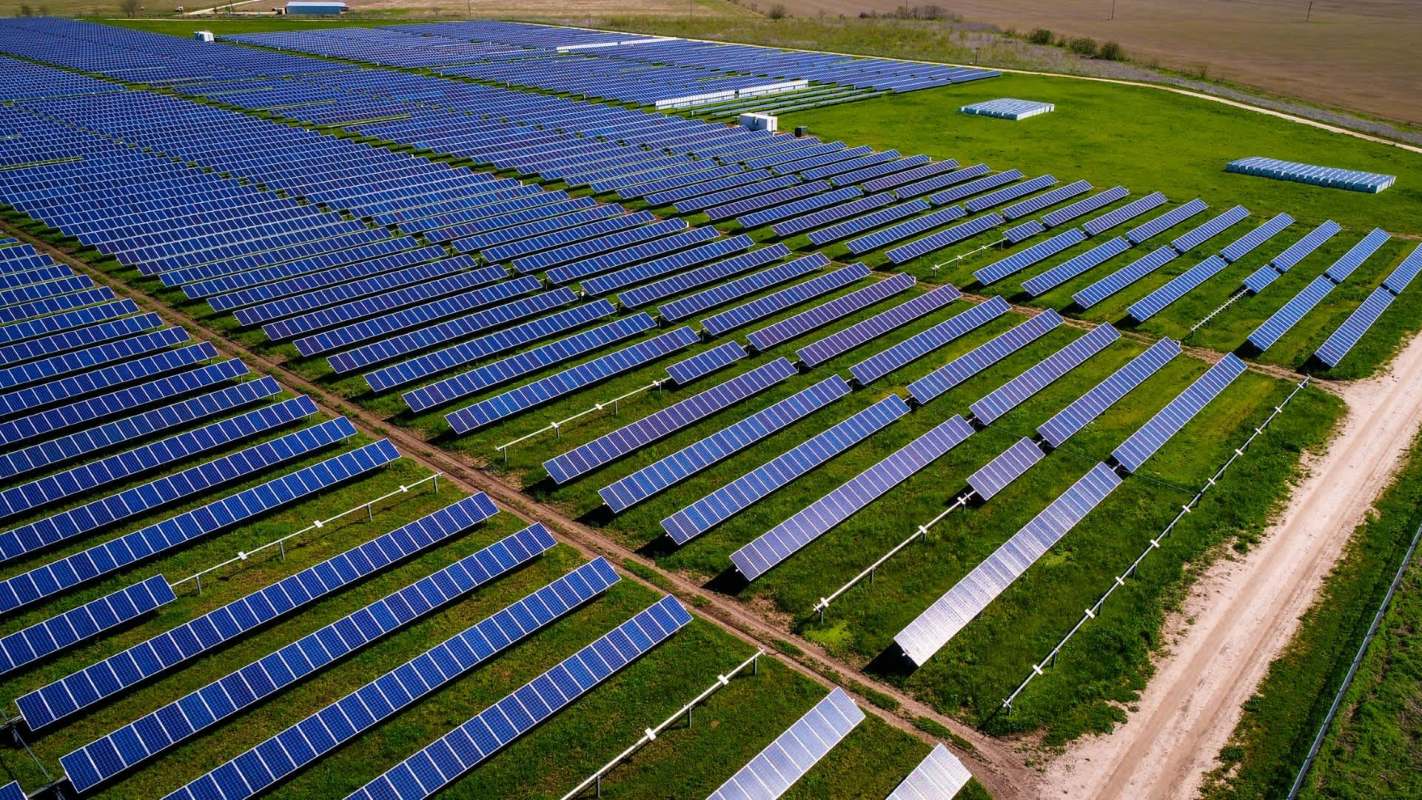
AI expansion is creating an awkward reality for Big Tech: Some of the same companies seeing their carbon emissions rise are also financing some of the nation's biggest clean energy developments.
Nowhere is that tension clearer than in the Pacific Northwest, where Amazon and Microsoft are helping fund everything from solar farms to next-generation nuclear facilities.
What happened?
Washington and Oregon have become a case study in this shift. As AI drives up electricity demand, tech companies are supporting a growing lineup of carbon-free power projects.
That includes a proposed small modular nuclear reactor near Richland, a fusion plant under construction in Malaga, and a massive solar-and-battery project in Oregon, KUOW reported.
KUOW also reports that Amazon has invested in X-energy's small modular reactor design and holds the rights to buy power from Energy Northwest's initial four-reactor project.
Microsoft, meanwhile, has agreed to buy all the output from Helion's planned fusion plant, which the company says could begin delivering power by 2028.
TCD Picks » Quince Spotlight
💡These best-sellers from Quince deliver affordable, sustainable luxury for all




Those clean-energy investments have not kept emissions from climbing. KUOW reported that both Amazon and Microsoft have recorded increases in emissions of more than 20% since setting their climate goals, with rapid data center growth contributing to the rise.
Why does it matter?
AI's growth is becoming increasingly intertwined with the electric grid.
Data centers require enormous amounts of around-the-clock electricity, as well as water for cooling, which can significantly strain local infrastructure.
In the Northwest, that pressure is already reshaping the market.
Amazon recently outbid a utility for a 1.2-gigawatt solar farm site in Oregon. Kevin Schneider, who studies power systems at Pacific Northwest National Laboratory, told KUOW that wealthy "hyper-scalers" can increasingly ask, "'Why don't I just buy my own generating plants?'"
If tech firms snap up the most attractive clean power projects, other customers could be left with costlier options.
Environmental attorney Audrey Leonard warned that utilities could be "stuck paying for the more expensive renewables that come on later" as states race to comply with climate laws.
What are people saying?
Amazon's Brandon Oyer, whom KUOW described as the company's power and water procurement lead for the Americas, described the solar push bluntly: "Our core business has never been energy, but constraints breed innovation."
Microsoft's Alistair Speirs, general manager of Microsoft's Azure Infrastructure, acknowledged the contradiction.
"This is a challenge," he said, while insisting the company is trying to use its buying power to "prefer renewable and zero carbon energy sources."

Get TCD's free newsletters for easy tips, smart advice, and a chance to earn $5,000 toward home upgrades. To see more stories like this one, change your Google preferences here.






