


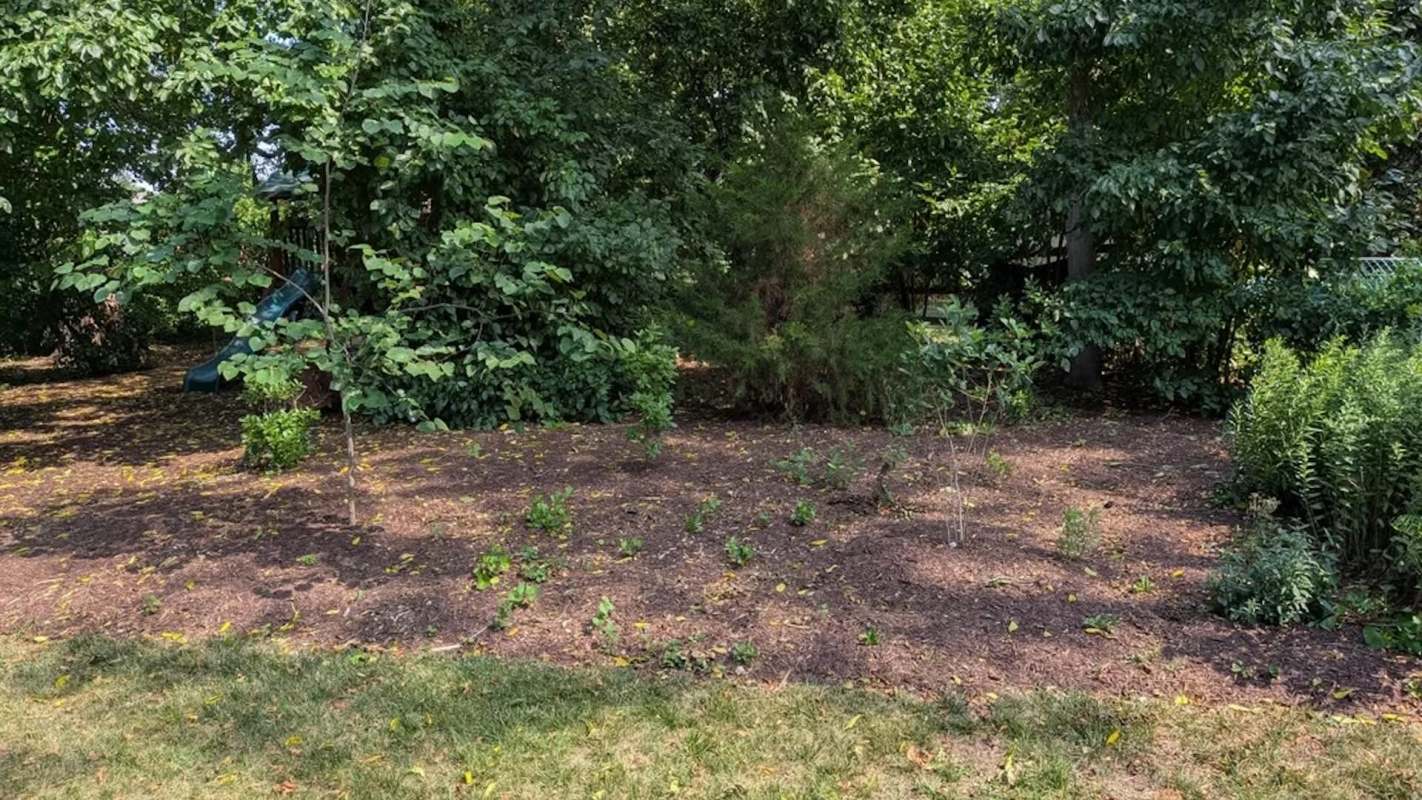
Before moving into a new home, a first-time yard owner on Reddit shared how four years of planting natives reshaped a property that had started out in rough condition.
The area began as barren dirt filled with invasive plant growth, but it eventually turned into a diverse yard filled with flowers, shrubs, and habitat for birds, bees, butterflies, worms, and even snakes.
What happened?
A homeowner on Reddit shared the transformation along with photos in the r/NativePlantGardening subreddit.
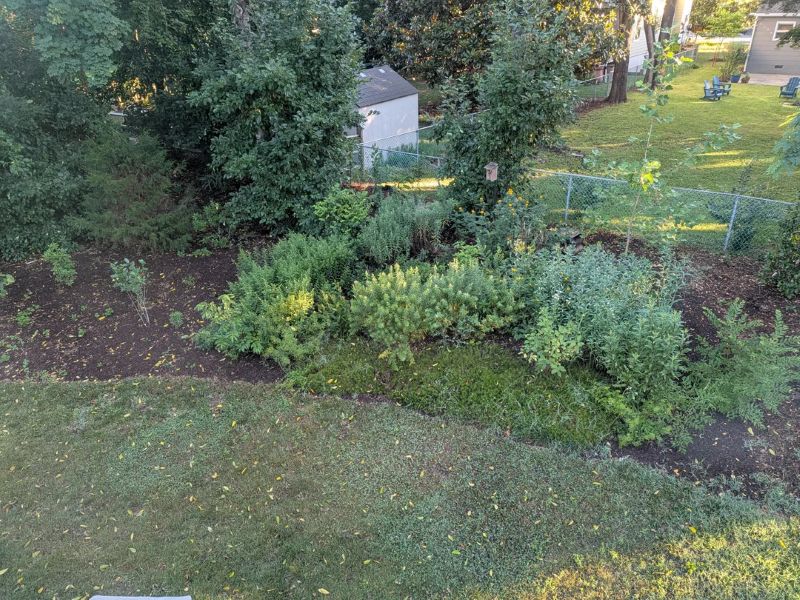
According to the post, the homeowner bought the house four years earlier, and the yard was what they described as degraded forest land, where invasive porcelain berry and English ivy had overtaken dead and declining trees.
They said, at first, native plants first seemed like a practical low-upkeep option, but later planting native species became a full-on obsession. As the project progressed, the once-barren, compacted ground became moist, absorbent soil full of life.
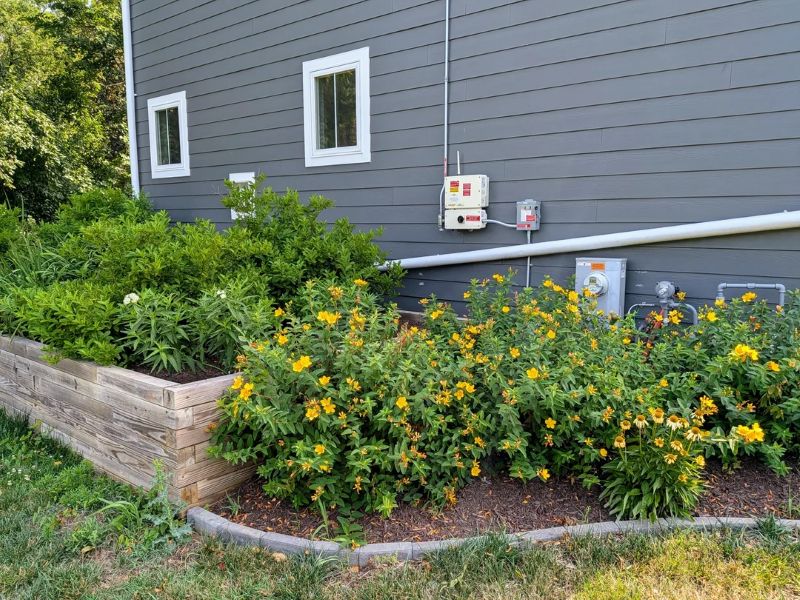
Now preparing to move, the poster used the update as a goodbye and pointed to favorite native plantings that included pawpaws, hibiscus, phlox, redbud, chokeberry, wild ginger groundcover, and raised boxes built to absorb rainwater.
TCD Picks » Quince Spotlight
💡These best-sellers from Quince deliver affordable, sustainable luxury for all




By the end, the space was doing more than looking better. It was supporting pollinators and other wildlife while the soil itself had improved.
Why does it matter?
Native plants are often better adapted to regional weather, which means they can require less watering, less mowing, and less ongoing maintenance than a conventional grass lawn.
That can translate into real savings on water bills, landscaping costs, and time spent on upkeep. Native plantings also help reduce runoff, support bees and butterflies, and create habitat for birds and other animals that struggle when neighborhoods are dominated by sterile turf grass.
Even a partial lawn replacement can make a difference. Swapping part of a yard for native plants, clover, buffalo grass, or xeriscaping can lower maintenance needs while still giving homeowners an attractive outdoor space.
What can I do?
You do not need to redo everything at once. Starting with one garden bed, a shady corner, or a rain-friendly planting zone can begin reducing mowing and watering while building habitat over time.
Native plants are one of the simplest low-maintenance lawn replacement options, but they are not the only ones. Clover can stay green with less input, buffalo grass can provide a tougher, low-water turf alternative in the right climate, and xeriscaping can dramatically reduce irrigation needs through drought-tolerant designs.
The best choice depends on your region, sun exposure, and how you use your yard.
The Reddit gardener's photos also show that backyard restoration is a process. Healthy soil, better drainage, and more wildlife often arrive gradually, but over time, they can add up to a dramatic change.

Get TCD's free newsletters for easy tips, smart advice, and a chance to earn $5,000 toward home upgrades. To see more stories like this one, change your Google preferences here.






