


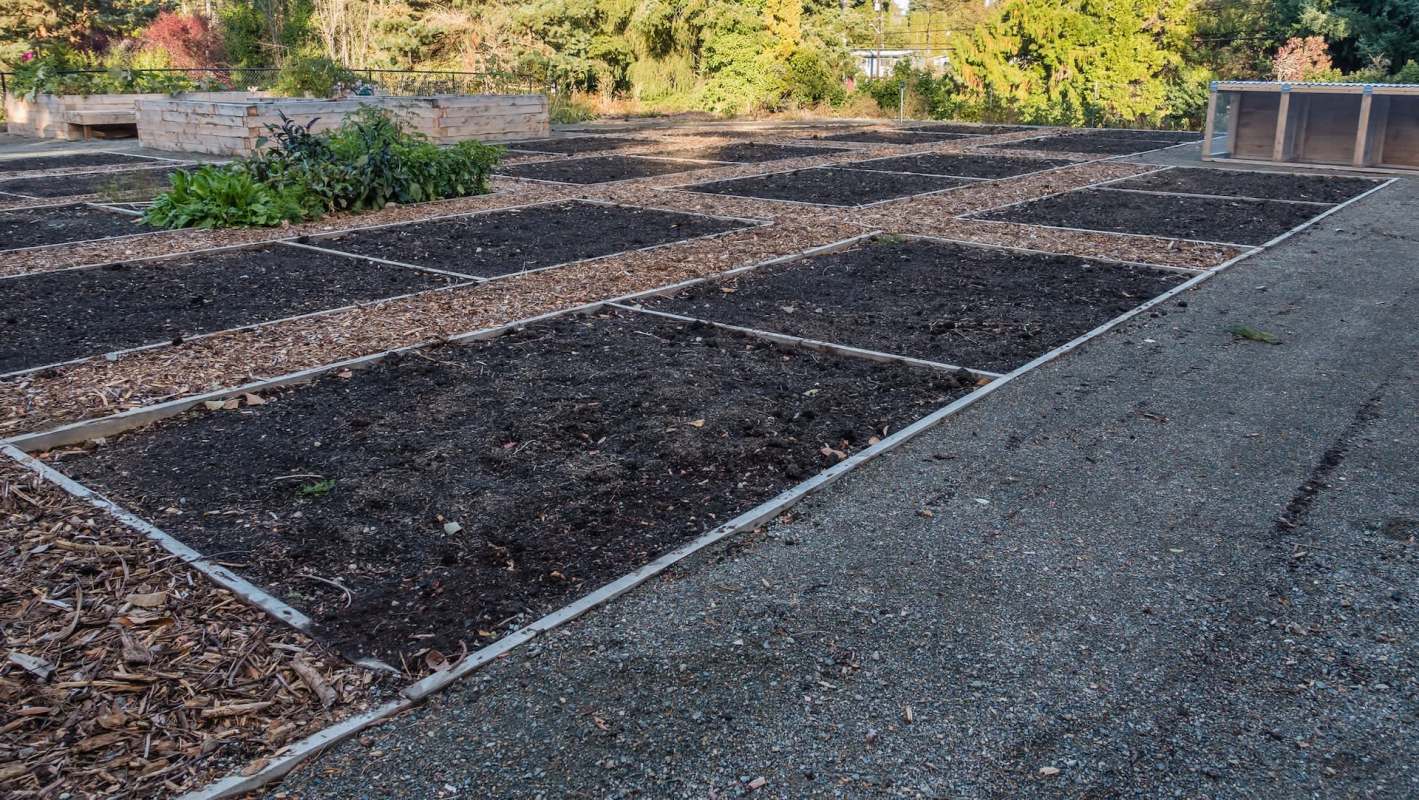
A homeowner's steady yard makeover is drawing attention online, showing how even a worn-down patch of lawn can become a thriving habitat for local insects and wildlife.
What happened?
Along with photos shared with the r/gardening community, the homeowner explained that they have spent the last two years working to rewild their yard that had been heavily eroded by the previous owners.
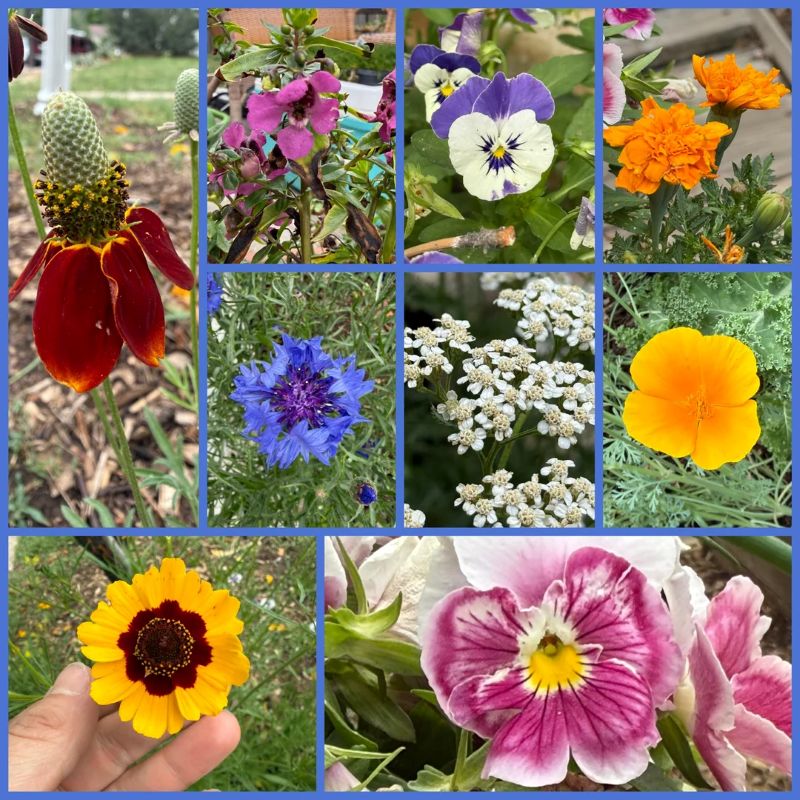
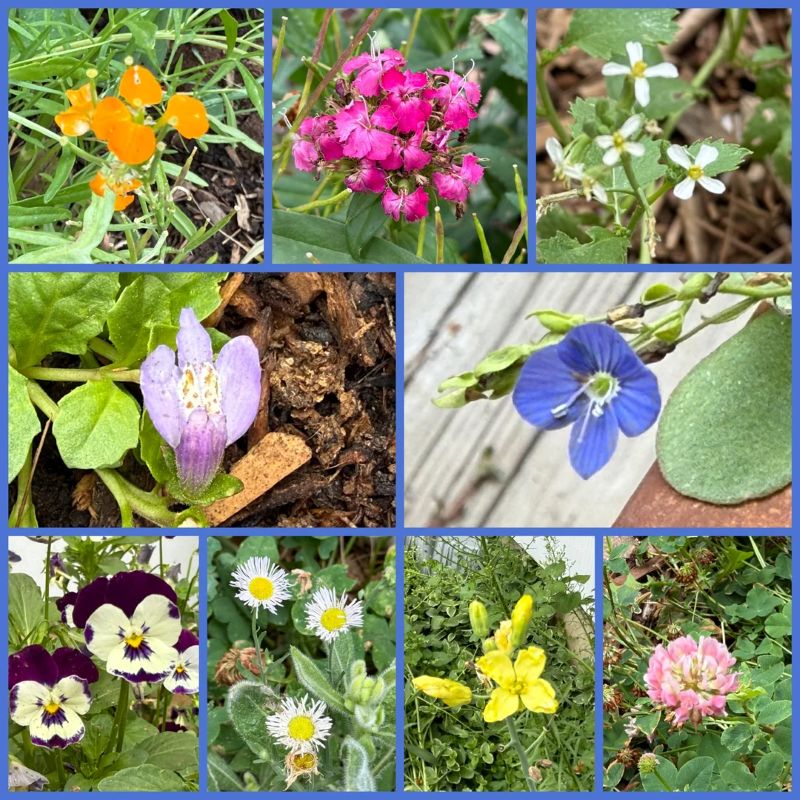
The user explained they worked with the soil and added vegetation and flowers to help local pollinators.
The photos reveal colorful blooms and full plant life replacing what had been a near-barren space.
The original poster said they were "really happy with the progress so far."
Rather than treating the yard as a decorative monoculture, the homeowner is creating something that can support bees, butterflies, and other beneficial insects.
TCD Picks » Quince Spotlight
💡These best-sellers from Quince deliver affordable, sustainable luxury for all




Why does it matter?
Traditional lawns can be expensive and time-consuming to maintain, especially in places dealing with heat, drought, or poor soil.
Replacing even part of a turf lawn with native plants can save money on fertilizers, reduce mowing time, and lower water bills, while also helping stabilize soil and support biodiversity.
There are several low-maintenance alternatives for homeowners who want similar benefits.
Native plants are one of the best options because they're adapted to local conditions, but clover, buffalo grass, and xeriscaping can also cut upkeep and water use.
Stories like this also reflect a broader shift, as more homeowners swap thirsty grass for landscapes that are cheaper to maintain and better for pollinators.
What are people saying?
People in the comment section were impressed by the transformation.
"It has been countless hours of work and last year we planted 42 different edible plants, but I've cut that back this year to focus on the trees and shrubs because it's been so dry," the original poster said in response to some praise.
"Love seeing lawn conversions like this," another commented.

Get TCD's free newsletters for easy tips, smart advice, and a chance to earn $5,000 toward home upgrades. To see more stories like this one, change your Google preferences here.






