


Backyard features that seem harmless to people, from drained pools and window wells, can trap baby ducks that are unable to climb free on their own.
Now, one wildlife rehabilitation center is sharing the story of the adorable ducklings who had been stranded in hard-to-reach places before their rescue.
What happened?
The Toronto Wildlife Centre shared the stories of the cute baby birds that had been separated from their mothers, showing several recent cases in which residents came across ducklings marooned in spots they could not leave without help.
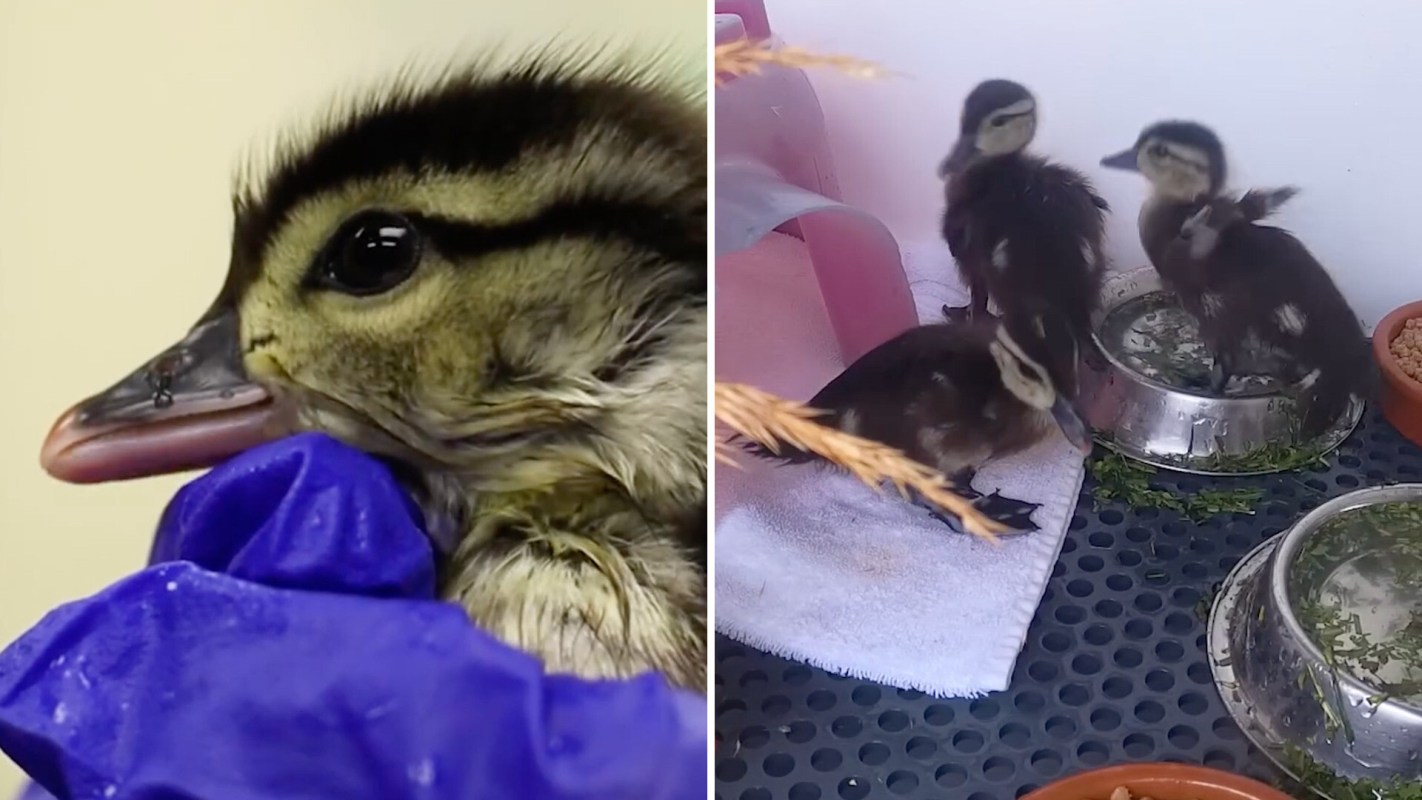
An Instagram post, the rehabilitation facility for animals shared footage of them receiving care after their rescues.
In the first case, a woman named Brenna stumbled upon "a tiny hooded merganser in a small puddle of water, trapped at the bottom of her drained swimming pool."
In the second, the group highlighted the instance when a man found two baby wood ducklings that had gotten stuck in a window well.
TCD Picks » Quince Spotlight
💡These best-sellers from Quince deliver affordable, sustainable luxury for all




The group's third and final example was a resident named Janna, who also found 15 birds (the mother mallard and her 14 ducklings) at the bottom of her backyard pool.
Taken together, the incidents pointed to the same issue — spaces built for people can accidentally strand small wild animals. Left where they were, the ducklings might not have survived.
Luckily for these adorable birds, as the post states, "The wee orphans are receiving supportive care and growing fast at Toronto Wildlife Centre, spending their days nibbling on fresh greens and nutritious pellets or splashing around in their watery enclosures."
Why does it matter?
For a duckling, even a common household feature can become a serious hazard. Smooth pool walls offer no traction. Window wells can act like pits.
A baby duck in distress can look like an easy rescue, but stepping in without guidance can sometimes cause more stress or separate wildlife from nearby adults too soon.
A rehabilitation center can help determine whether the animal truly needs intervention and what the safest next step is. In some cases, that may mean careful transport. In others, it may mean monitoring from a distance while professionals assess the scene.
If you find a duckling trapped in a pool, window well, or similar space, the safest first move is usually to call a licensed wildlife rehabilitator or local rescue organization. They can tell you whether to contain the bird, leave it in place temporarily, or bring it in for care.
Pool escape ramps, well covers, and regular yard checks can also reduce the chance of an animal getting stuck unnoticed in the first place.

Get TCD's free newsletters for easy tips, smart advice, and a chance to earn $5,000 toward home upgrades. To see more stories like this one, change your Google preferences here.







