


Researchers are studying three deep-water shipwrecks off Turkey's southwestern coast to piece together how goods moved through the medieval Mediterranean.
Now, in a new study published in the peer-reviewed journal Heritage, these sites offer an unusual window into the region's trade practices.
What happened?
At the center of the research are three Byzantine-era wrecks near Knidos, an ancient port city on the Datça Peninsula in modern-day Turkey.
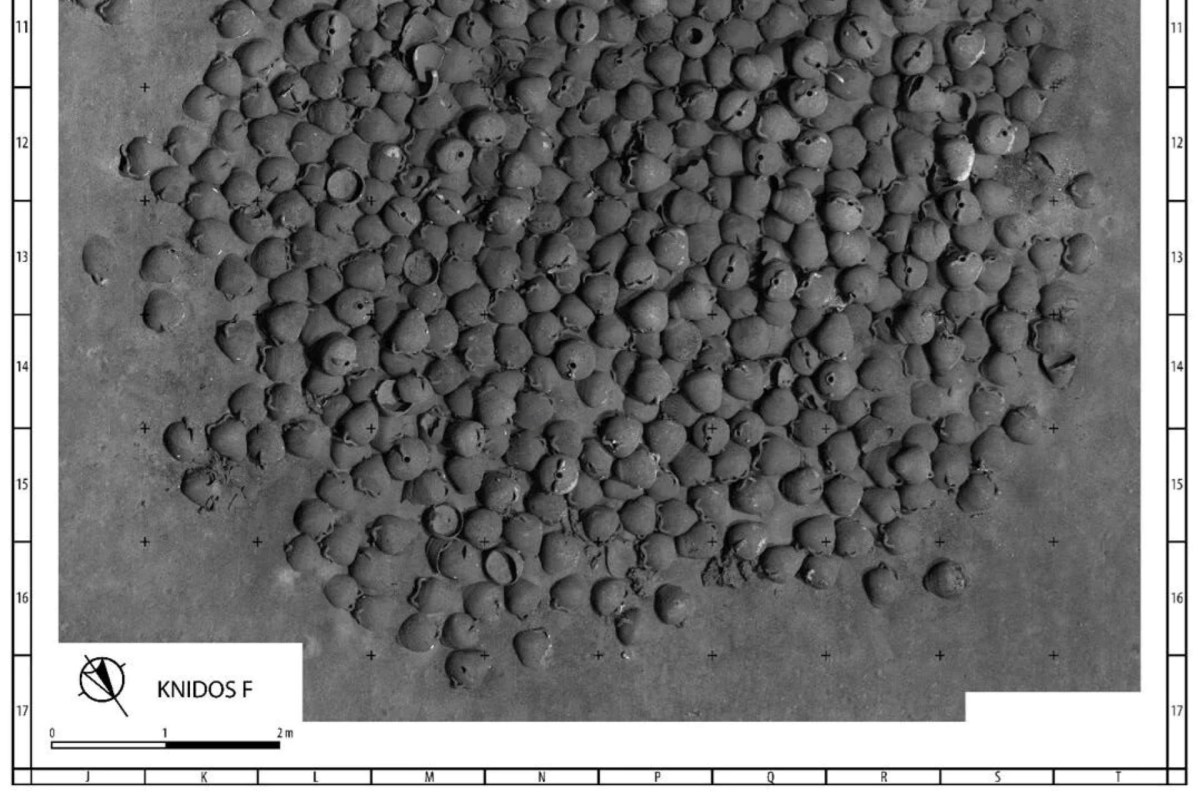
Researchers initially documented the three shipwrecks during deep-sea expeditions from 2010 to 2012, and designated them as Knidos F, Knidos L, and Knidos N, per Greek Reporter. The wrecks lie between 1,213 and 1,371 feet below the surface.
To document the wrecks without disturbing them, the Ocean Exploration Trust, alongside Turkish and American specialists, used the exploration vessel Nautilus and the remotely operated vehicles Hercules and Argus.
Because the team took a noninvasive approach, it was able to gather imagery, laser measurements, and records of the cargo fields while leaving the wrecks where they were found.
TCD Picks » Quince Spotlight
💡These best-sellers from Quince deliver affordable, sustainable luxury for all




Among the three, Knidos F was the most striking for its state of preservation: researchers counted 545 intact or nearly intact amphorae as well as at least 80 broken jars, all within a relatively compact area, according to Greek Reporter.
Meanwhile, Knidos L held at least 116 intact jars, and Knidos N contained 95 visible amphorae (ceramic containers).
Why does it matter?
The wrecks are now reshaping researchers' understanding of commerce across the medieval sea. As the researchers put it in their study, "These wrecks highlight the continued commercial significance of the Carian maritime corridor in Byzantine shipping networks."
Evidence from Knidos F and Knidos L points to a time when Byzantine maritime power had recovered, and safer shipping routes connected the Aegean with Anatolia, the Black Sea region, and the eastern Mediterranean.
The study suggests that the sheer volume of transport jars indicates the trade was more deliberate than an occasional exchange.
Shipwrecks can preserve slices of everyday economic activity that written sources often leave out. The discoveries also highlight both the importance and the fragility of underwater archaeology.
Many wrecks in the region have been hit by bottom trawling, which can scatter cargo and break ceramics. Luckily, Knidos F showed no damage from trawling, giving researchers a better view of how a Byzantine merchant ship may have sunk and come to rest on the seafloor.

Get TCD's free newsletters for easy tips, smart advice, and a chance to earn $5,000 toward home upgrades. To see more stories like this one, change your Google preferences here.






