


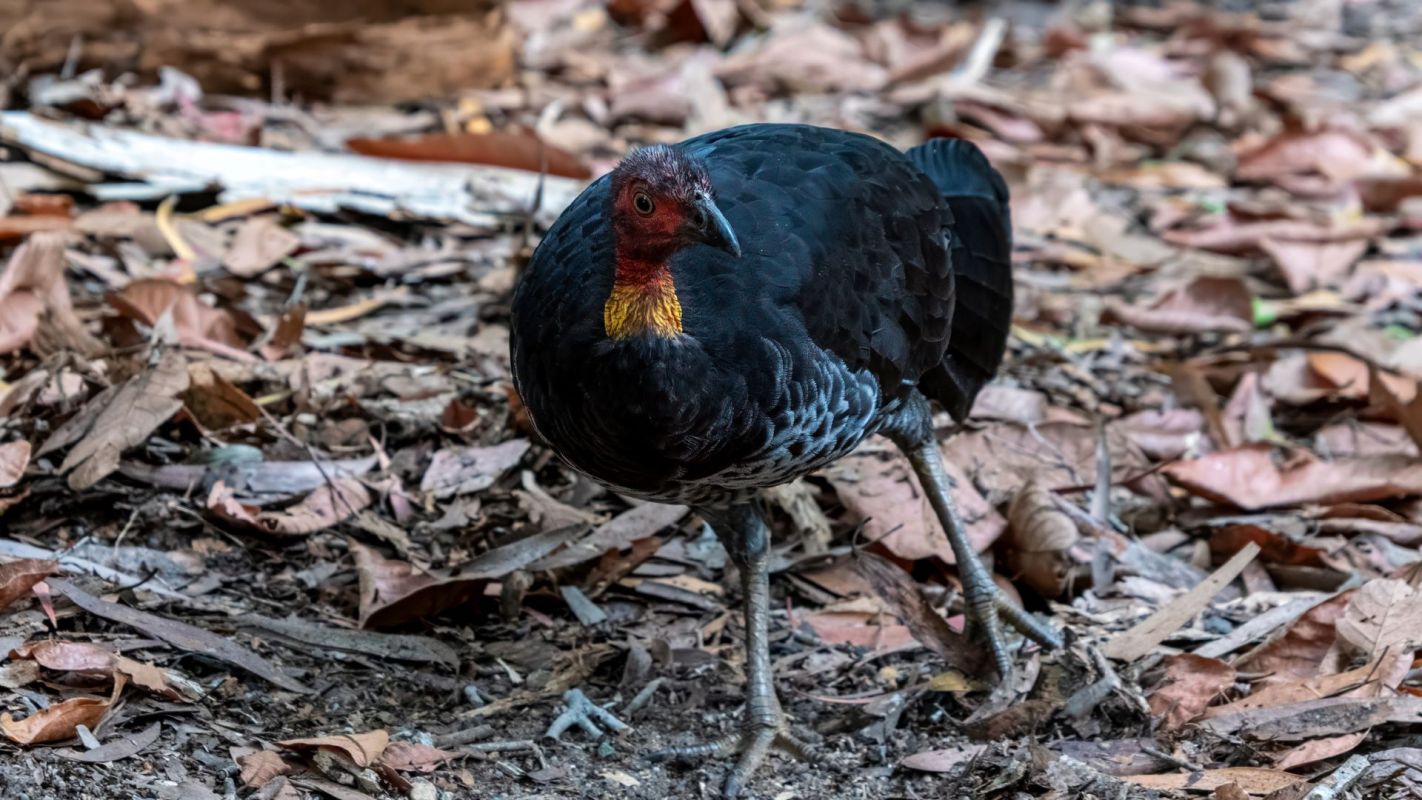
A wildlife explainer is spotlighting a remarkable trait of megapodes — stocky, chicken-like birds that live across the western Pacific Ocean. Rather than sitting on their eggs like most birds, they rely on natural heat sources in the environment to incubate them.
Their eggs are buried in naturally warmed ground or mounds, including sites heated by nearby volcanic activity, and the chicks emerge so advanced that they can take off quickly and, in some species, fly almost at once.
What happened?
A recent animal explainer focused on the unusual breeding behavior of megapodes. These birds are found in Papua New Guinea, Australia, the Philippines, and other islands across the western Pacific. Twenty-two species of these birds have been recorded, with their name coming from the Greek term for "big feet."
In a story first published by A-Z Animals, the birds were described as using ambient heat to incubate their eggs rather than relying on a parent's body warmth.
Depending on the species, eggs may be buried in sand warmed by the sun, placed in ground heated by geothermal activity near volcanoes, or tucked into mounds of decaying vegetation that produce heat. These nests essentially function as natural incubators. Males do most of the work on maintaining and building nesting grounds, adjusting them to make temperatures ideal for incubation.
August Abbott, a certified avian specialist from the Pet Advocacy Network, explained to A-Z Animals: "While looking very chicken-like, megapodes don't nurture their eggs like poultry by sitting on them. Instead, they use naturally occurring environments in nature such as geothermal-heated grounds in the vicinity of volcanoes, or the sun-heated sandy soil in arid environments, and finally, in soil where organic materials are decomposing and producing natural heat."
TCD Picks » Quince Spotlight
💡These best-sellers from Quince deliver affordable, sustainable luxury for all




Brianna Crane, senior aviculturist at the National Aviary, said, "Megapodes bury their eggs in mounds or burrows for incubation." She added that males often keep adjusting the material "in order to help regulate incubation temperatures."
Why does it matter?
Megapodes have evolved highly specialized ways to survive, and those systems can be fragile.
According to Abbott, "more than half of the megapodes on earth are endangered," with egg collection for food and growing human encroachment on nesting areas contributing to the problem.
When beaches and nesting areas are disturbed, species that depend on highly specific habitat conditions can quickly lose the habitats they need to reproduce successfully.
Abbott also warned that introduced animals and tourism can make matters worse: "Animals that come along with humans (dogs, cats) tend to find newly hatched chicks an easy meal."
Because the chicks hatch fully feathered and ready for independence, megapodes depend on healthy nesting environments from the start for survival.
If those incubator-like mounds disappear, the birds' built-in survival strategy is threatened.
What are people saying?
According to A-Z Animals, Abbott said about male megapods: "He's the one who builds the nesting mound, adds organic, decomposing vegetation, leaves, sticks, anything that will produce heat as it decomposes." Abbott noted how females can lay dozens of eggs, adding that once the eggs hatch, "the babies climb out of their incubator and leave the area."
Crane said: "Megapode chicks have no parental care after hatching. They hatch fully feathered; some species can fly immediately after emerging from the nest."

Get TCD's free newsletters for easy tips, smart advice, and a chance to earn $5,000 toward home upgrades. To see more stories like this one, change your Google preferences here.






