


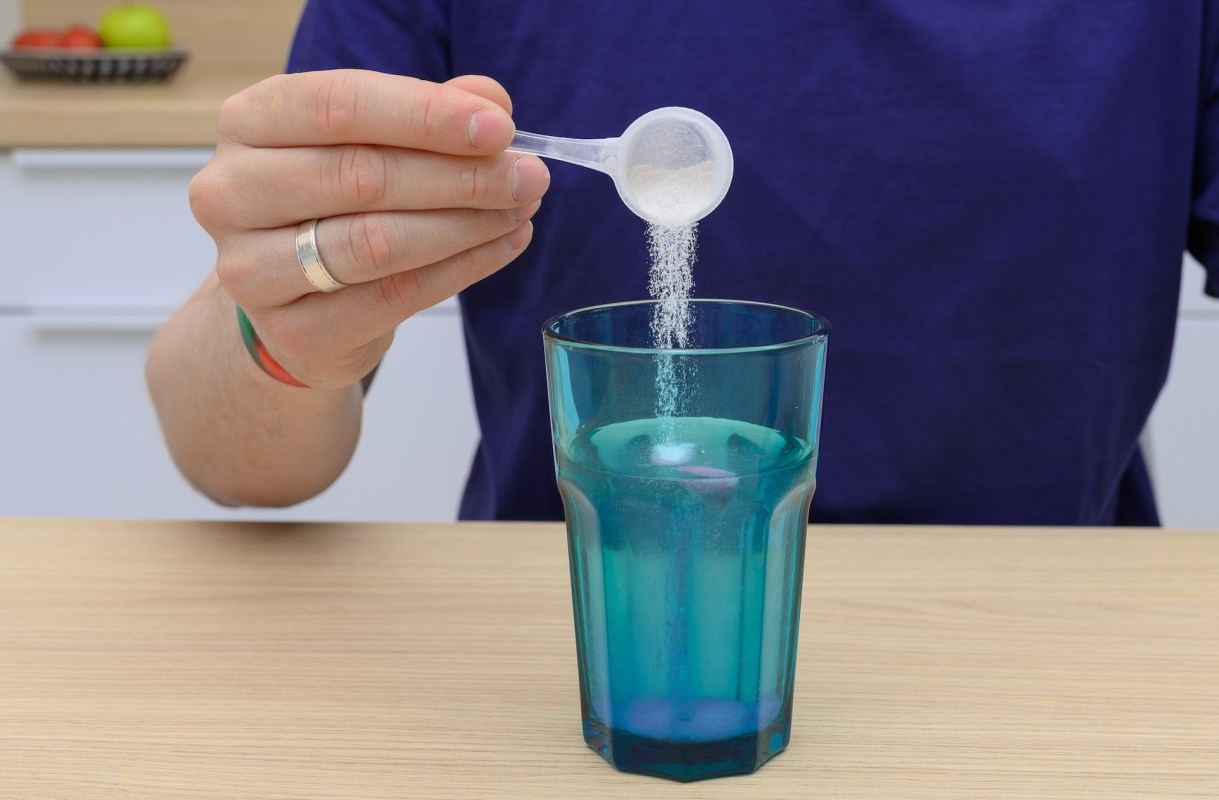
A low-cost dieting trend circulating online calls for drinking warm water mixed with plain gelatin before eating in hopes of taking the edge off hunger.
A dietitian said the effect may be limited to helping some people eat smaller portions, and she cautioned that comparisons to Ozempic go much too far.
What's happening?
Across social media, creators are promoting unflavored gelatin dissolved in warm water as a cheap drink to have before a meal, presenting it as a way to curb appetite without paying for pricey diet products or prescription drugs.
Speaking to Fox News, New Jersey dietitian Erin Palinski-Wade said there is a short-term physiological explanation for why some people might notice an effect.
"Once the gelatin reaches your stomach, the acidic environment helps it form a thicker, semi-gelled mixture that increases the volume and thickness of what's sitting in your stomach," she said.
As that mixture takes up more space, the stomach can stretch enough to cue the brain that fullness is beginning.
TCD Picks » Quince Spotlight
💡These best-sellers from Quince deliver affordable, sustainable luxury for all




Palinski-Wade also told Fox News that gelatin protein may stimulate a gut hormone linked to slower eating, which may help some people take in fewer calories per meal.
But she said calling the drink "natural Ozempic" is misleading, stressing that gelatin does not mimic the action of prescription GLP-1 drugs.
Why does it matter?
For people trying to manage both their grocery bills and their weight, a spoonful of plain gelatin mixed into water is far less expensive than specialty diet products, meal replacements, or appetite-control supplements.
If it helps someone feel full sooner, it may also reduce overeating and help stretch food a little further at mealtime.
Palinski-Wade said the bigger problem arises when a small satiety aid is treated as a medical therapy.
Gelatin can temporarily boost fullness, but it does not target receptors the way prescription drugs do, nor does it have any secret fat-burning effect.
The downsides are nutritional, too. Gelatin provides protein, but it is incomplete, lacking the essential amino acid tryptophan.
Replacing a meal with it could create amino acid gaps and offer little benefit for muscle health.
What can I do?
Palinski-Wade said healthy adults who want to experiment with the trend should see it as a limited premeal tool rather than a substitute for balanced meals.
She suggested mixing 1 tablespoon of plain, unflavored gelatin powder into hot water, adding room-temperature water or herbal tea, and having it 15 to 30 minutes before one meal each day.
It's also smart to focus on sustainable ways to lower food spending while building healthier habits, such as shopping smarter at the grocery store and planning meals that prevent waste.
For those interested in reducing their grocery costs, Martie is a great resource.
People who are pregnant or breastfeeding, as well as those with kidney disease or animal allergies, should talk with a doctor before trying the gelatin approach.
Palinski-Wade said the trend may help with fullness, but it is not a miracle.
Comparing it to semaglutide is, in her words, "a little like calling a garden hose a fire hydrant," because "the strength and impact are completely different."

Get TCD's free newsletters for easy tips, smart advice, and a chance to earn $5,000 toward home upgrades. To see more stories like this one, change your Google preferences here.







