


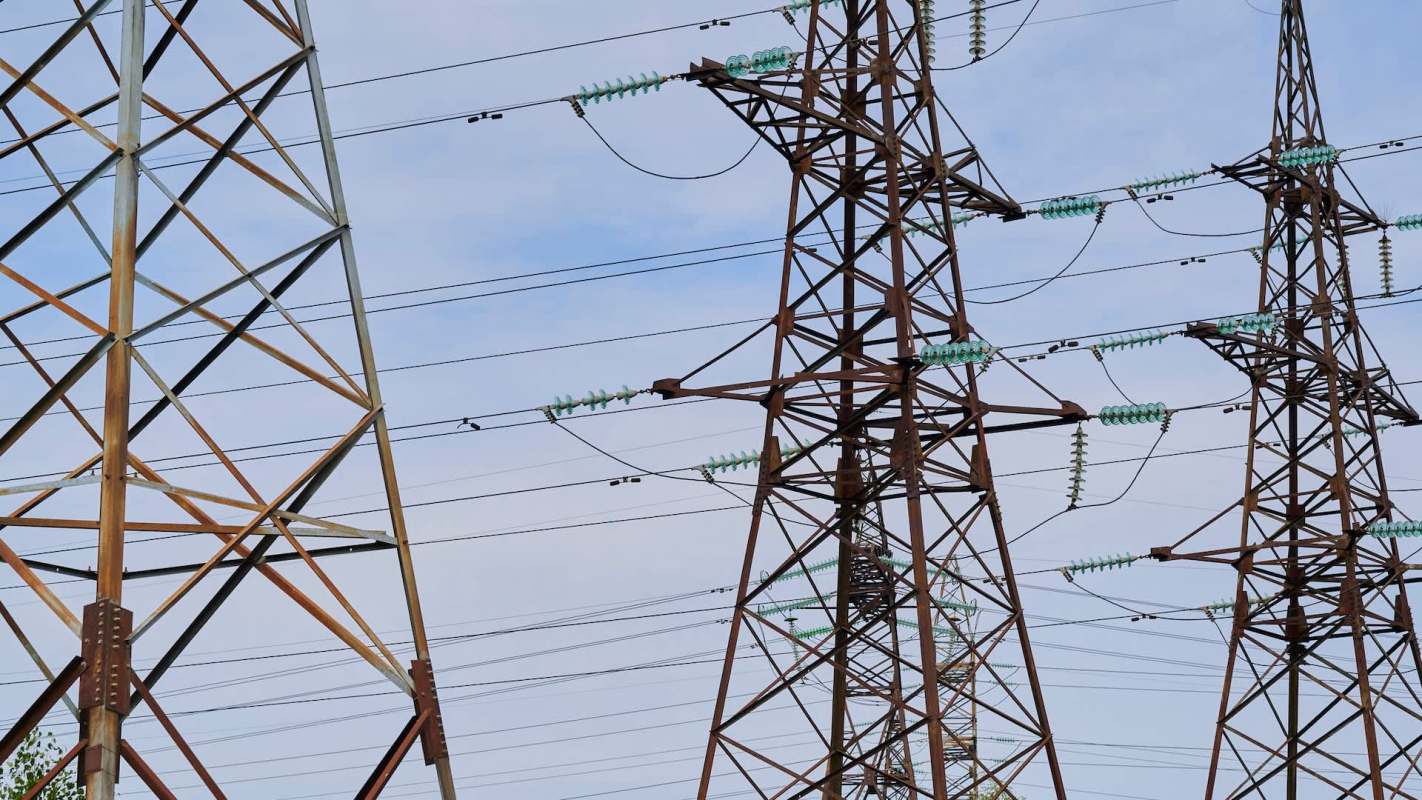
Lewiston Public Library drew roughly 100 Central Maine Power customers this week for a public hearing that became a forum for opposition to the utility's latest rate request.
People living on fixed incomes told state regulators that another increase would make already difficult decisions about basic necessities even harder.
What happened?
CMP's filing would raise $189 million in revenue, with $69.3 million of that coming from a proposed rate increase set to begin in July.
At the second and final public hearing in the case, Maine Morning Star reported, Mainers urged the Public Utilities Commission not to approve it.
The strain was summed up by Crystal Ward, a 75-year-old retired teacher living on a fixed income, who said: "Every time I look at their bill, it's more expensive, and every time I look at my check, it's smaller."
For residential customers who use about 550 kilowatt-hours per month, the proposal would cut storm-related charges by $11 per month while increasing rates by $7 in July. By next May, monthly bills would stand $18 above current levels — for a net increase of about $7.
TCD Picks » Quince Spotlight
💡These best-sellers from Quince deliver affordable, sustainable luxury for all




The proposal also prompted an organized protest outside the library from the Fight the Hike Coalition, which includes 15 statewide consumer defense organizations.
Seth Berry, executive director of Our Power, said: "This is a rate hike — pure and simple."
Why does it matter?
Because Maine households already face some of the highest energy burdens in the country, advocates say even another increase would add pressure to budgets that have little left to trim.
Lewiston resident Siri Cressey told the Morning Star she has already reduced her electricity use in several ways: no air conditioner, no in-unit laundry, and appliances unplugged unless they are in use.
"I already pay as much as I can afford for electricity," she said. "So I especially cannot afford to give a raise to CMP shareholders, whom I suspect are probably not living at or below the poverty level."
Auburn resident Jason Henry called electricity "a basic need, not a luxury."
Bristol resident David Bilski said his family installed a heat pump water heater, switched to LED lighting, and bought an EV, yet their bills still climbed as electricity prices rose.
What's being done?
The Public Utilities Commission has already shown some skepticism. Regulators rejected CMP's earlier rate request in November, saying the company still needed to better address resilience planning and impacts on ratepayers.
CMP spokesperson Dustin Wlodkowski said the company is trying to balance affordability with reliability, arguing that investment in the grid can help prevent costly outages.
"We seek to find solutions that make outages shorter and less frequent," Wlodkowski said, per the Morning Star.
Critics, though, say improved service should not automatically lead to higher profits.
Berry said the coalition is urging regulators to reduce CMP's return on equity — the profit margin allowed by the state — so the grid can still be upgraded without asking struggling households to cover as much of the cost.
Support for the plan was not unanimous at the hearing.
Nick Clark, utility superintendent for Atlantic Power Constructors, said: "Investing in local workers means investing in long-term strength, reliability, and the future of Maine's energy system."
Ward put the problem bluntly: "There's no money in the pocket."
Cressey echoed that message to regulators: "I especially cannot afford to give a raise to CMP shareholders."

Get TCD's free newsletters for easy tips, smart advice, and a chance to earn $5,000 toward home upgrades. To see more stories like this one, change your Google preferences here.






