


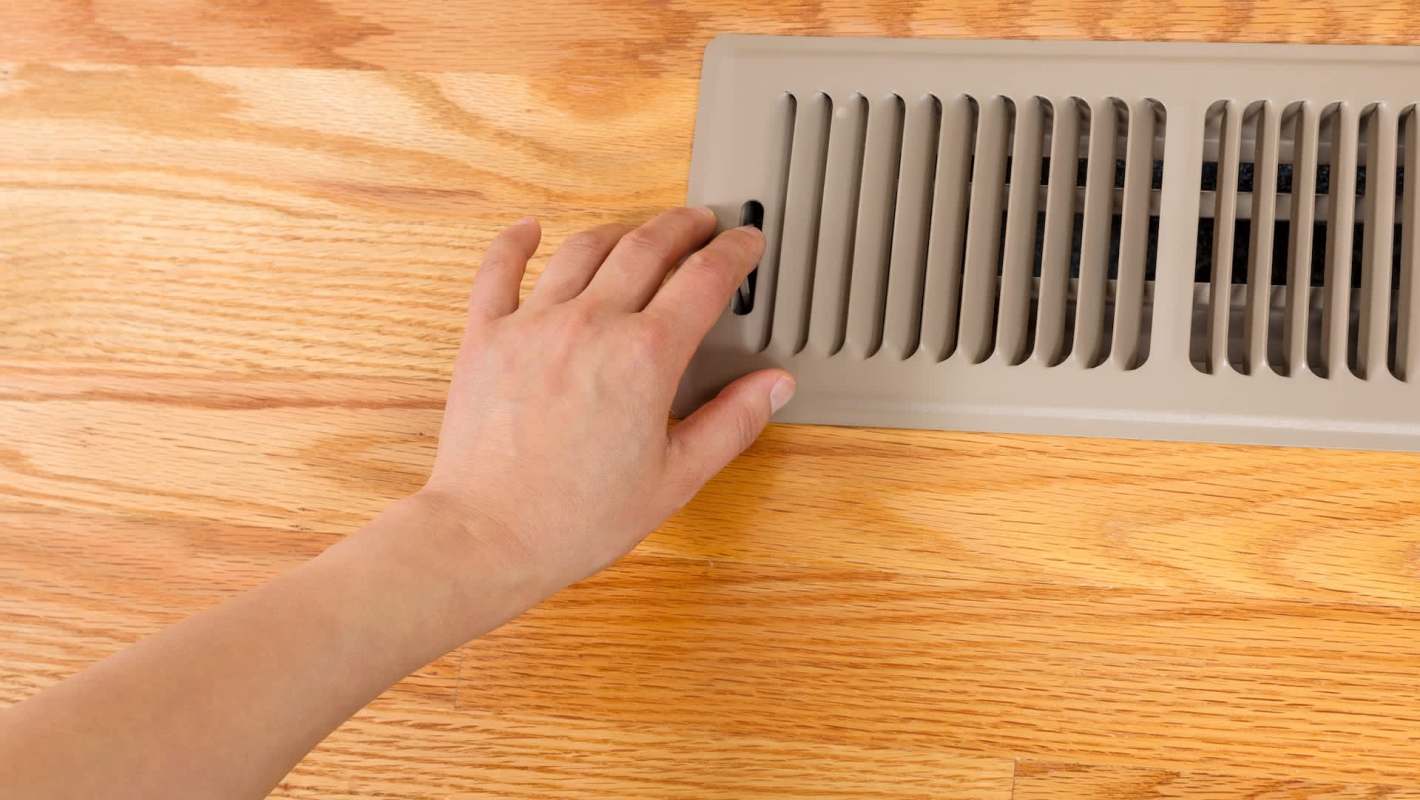
Shutting vents in rarely used rooms can sound like a simple way to trim your summer power bill.
In reality, HVAC experts say that approach can put more strain on an air-conditioning system, increase the risk of costly damage, and make the home less comfortable.
What's happening?
People trying to quickly lower cooling costs may consider closing vents in rooms they do not use much.
But The Spruce reports that HVAC professionals warn the tactic usually creates more trouble than it saves.
Their concern starts with how air is meant to circulate through the house.
"HVAC systems are designed to move a specific amount of air throughout the home, and closing vents disrupts that airflow balance," says Steve Clemente, president and COO of One Hour Heating & Air Conditioning.
TCD Picks » Quince Spotlight
💡These best-sellers from Quince deliver affordable, sustainable luxury for all




Even after vents are shut, the system continues operating as though they were open, so it compensates for the blocked airflow.
Randy Huckstadt, a JustAnswer Service Technician and owner of Cool Runnings Heating & Air Conditioning LLC, described it this way: "In simple terms, closing vents is like closing off ramps on a short freeway system; all you do is create a traffic jam or clog."
Instead of delivering meaningful savings, that disrupted airflow can hurt efficiency and place additional stress on system components.
Why does it matter?
Reduced airflow can lead to uneven temperatures, moisture buildup around ducts, and, in more serious situations, frozen evaporator coils.
If that happens, the compressor can be damaged, and it is one of the costliest HVAC parts to repair or replace.
When extra air is forced into ductwork that was not built for that amount of flow, some rooms may stay too warm while others become overly cold.
What can I do?
One easy alternative is to keep blinds and curtains closed during the hottest hours of the day.
Experts also told the outlet to check windows and doors for leaks, use weatherstripping to seal gaps, and run ceiling or standing fans to raise the thermostat slightly while staying comfortable.
Installing a programmable thermostat is another useful way to adjust temperatures across the day.
Maintenance should not be ignored either: Cleaning or replacing air filters every 30 to 90 days helps the system operate efficiently.

Get TCD's free newsletters for easy tips, smart advice, and a chance to earn $5,000 toward home upgrades. To see more stories like this one, change your Google preferences here.






