


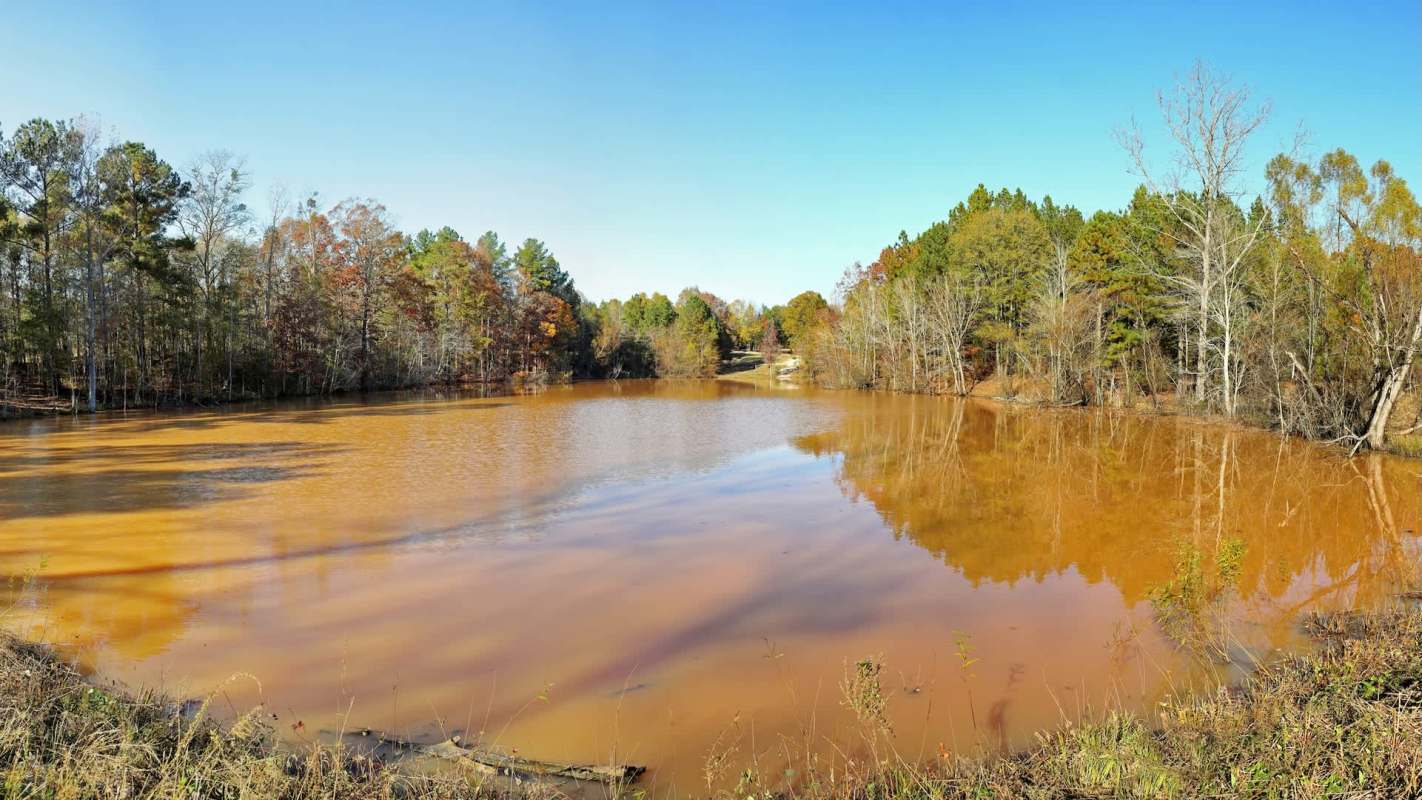
Fish species in many familiar lakes may be shifting as water grows darker, with new research indicating that some sought-after catches lose ground while others do better.
What's happening?
The trend, known as "freshwater browning," is a slow darkening of lakes, ponds, and streams that researchers say is reshaping fish populations across northeastern North America and Northern Europe.
As ScienceDaily reported, the team reviewed earlier research and analyzed fish records from hundreds of lakes in Canada as well as lakes across Europe and North America.
Carbon compounds are washing out of soils and into freshwater as temperatures rise and runoff increases, a process tied largely to rising global temperatures.
Researchers said shifts in soil chemistry following declines in acid rain are contributing as well.
In practical terms, that means more of what researchers described as "dissolved plant matter that stains the water like tea leaves would."
TCD Picks » Quince Spotlight
💡These best-sellers from Quince deliver affordable, sustainable luxury for all




As visibility drops, fish face new challenges in feeding, hiding from predators, and selecting where to live.
The study found that in browner lakes, fish "often grow more slowly," and species that depend heavily on sight can be especially vulnerable.
Not every species responded the same way. Browner waters were linked to reduced populations of lake trout, lake whitefish, yellow perch, and both largemouth and smallmouth bass, while brook trout appeared to be largely unaffected.
Northern pike and walleye, by contrast, were associated with larger populations, likely because adaptations in their sensory systems help them hunt in low-visibility conditions.
Why does it matter?
These changes matter not just to ecosystems but to anglers, lake communities, and businesses that rely on fishing tourism.
In waters long known for trout or bass, catches of those species could dwindle over time, even as pike and walleye show up more often or reach bigger sizes.
The effects extend beyond recreation. Slower fish growth and shrinking populations can alter food webs, shift predator-prey relationships, and weaken the ecological balance of freshwater systems. When common species decline, the consequences can ripple through entire ecosystems.
Browning water can affect traditions, local economies, and access to reliable outdoor recreation in communities that depend on these waterways.
Because the problem is tied to both rising temperatures and chemical changes in soils, it also shows that even after progress on pollution, ecosystems can keep changing in complicated ways.
What can I do?
People fishing in darker water may need to make practical adjustments.
Rather than relying on bright or flashy lures designed to catch a fish's eye, anglers may have better luck with vibrating lures that can be detected through fish's lateral line systems or scented lures that trigger a smell response.
It can also help to pay attention to changing lake conditions. If a favorite fishing spot looks noticeably browner than it used to, that could explain shifts in species and fish size.
Reporting those observations to local conservation groups or fisheries agencies can support stronger monitoring efforts.
At a broader level, protecting wetlands and shorelines, reducing runoff, and supporting efforts to cut planet-heating pollution can ease some of the pressures driving freshwater browning.
As the researchers put it, "By examining what's happening to the water and in it, both scientists and people who enjoy fishing can understand the changes we're seeing and what they mean in practical terms."

Get TCD's free newsletters for easy tips, smart advice, and a chance to earn $5,000 toward home upgrades. To see more stories like this one, change your Google preferences here.






