


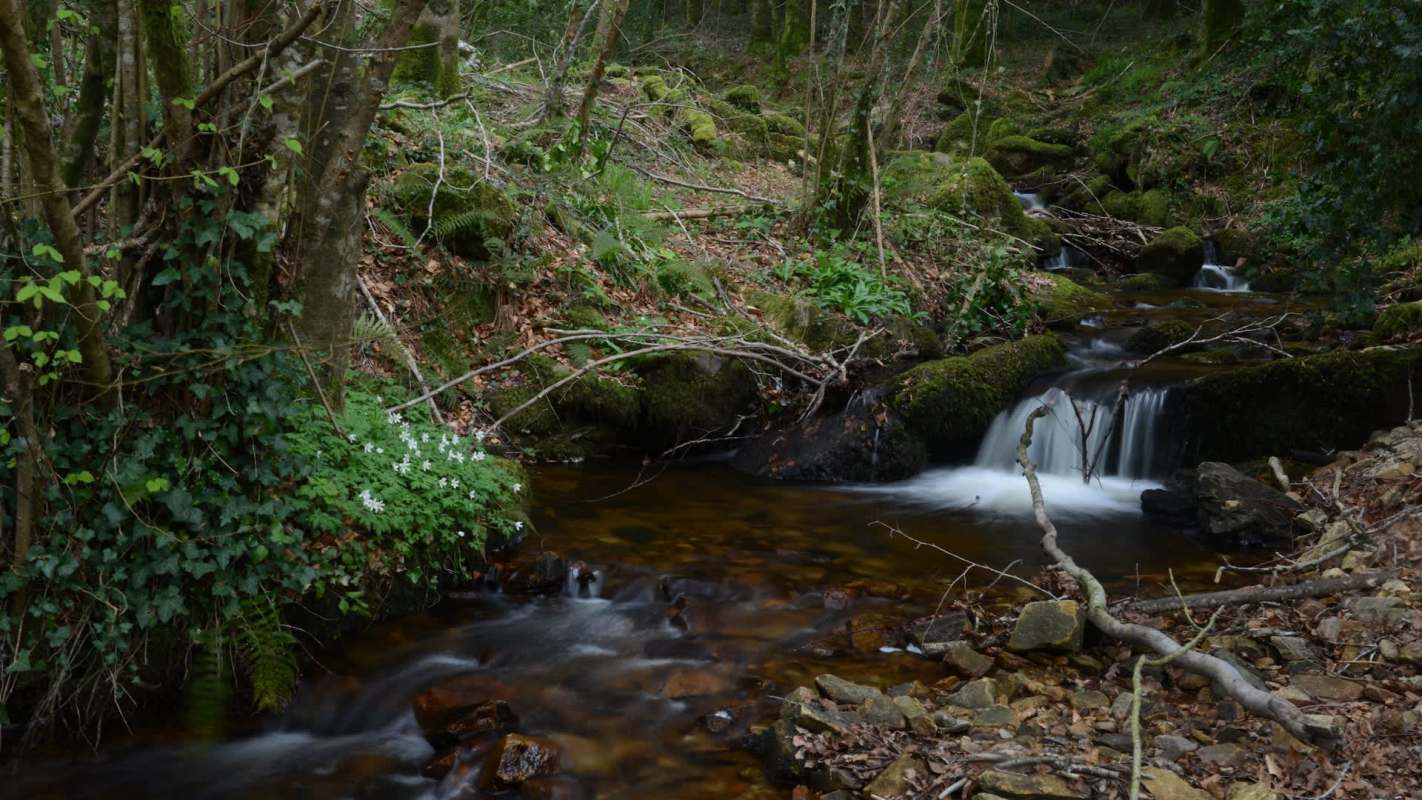
Aquatic fungi are easy to overlook, yet freshwater ecosystems depend on the work they do in rivers and waterways.
However, new research suggests these microscopic organisms are being hit hard by heat, drought, and disappearing riverside vegetation.
What's happening?
According to Earth.com, scientists from the University of Barcelona, working with Rey Juan Carlos University's Joint Global Change Research Institute, studied aquatic fungi in 62 rivers across seven locations in southwestern Europe.
These fungi help rivers process leaves, woody debris, and other plant matter that falls into the water. As they break it down, they support nutrient cycles and can also help degrade some chemical contaminants, effectively acting as part of a river's digestive system, Earth.com reported.
Before the study, researchers thought nitrate and phosphate pollution from agriculture and urban runoff would be a major factor in fungal decline.
"However, contrary to our expectations, the increase in chemical compounds such as nitrate and phosphate, associated with agriculture and/or urban impacts, had almost no influence on the biodiversity or functions of aquatic fungi," researcher Aida Viza explained, as Earth.com reported.
TCD Picks » Quince Spotlight
💡These best-sellers from Quince deliver affordable, sustainable luxury for all




Instead, the study showed the strongest pressures were tied to climate and habitat: rising temperatures, longer summer droughts, and the loss of riparian forests — the trees and vegetation surrounding riverbanks that help keep waterways cool and stable.
Why does it matter?
When aquatic fungi lose diversity, rivers lose resilience.
Different fungal species perform different ecological roles, meaning a less varied community is less equipped to process organic material and keep freshwater systems functioning when conditions change.
Healthier rivers support cleaner water, stronger food webs, and ecosystems better able to withstand extreme weather.
When rivers become hotter, shallower, and more stressed, nearby communities can feel the ripple effects through recreation, biodiversity, and the broader health of local landscapes.
The findings also suggest that river-protection strategies may be too narrow to result in meaningful conservation of river fungi. Cutting nutrient pollution remains important for water quality, but it may not be enough to protect the organisms quietly doing some of the system's most foundational work.
Climate change is already making droughts longer and heat more intense, and weakened rivers are less able to buffer communities from those mounting pressures.
What's being done?
The researchers pointed to direct steps that could help.
"One such action could be, for example, increasing shade by restoring riparian woodland or preventing excessive water extraction, especially during the summer," Cayetano Gutiérrez of the Joint Global Change Research Institute said, according to Earth.com.
Viza summed up the findings with a warning: "These results show promising data for rivers. However, we must bear in mind that, with climate change, these unfavorable conditions will become increasingly prolonged and that the refuge capacity offered by sediment is limited."

Get TCD's free newsletters for easy tips, smart advice, and a chance to earn $5,000 toward home upgrades. To see more stories like this one, change your Google preferences here.






