


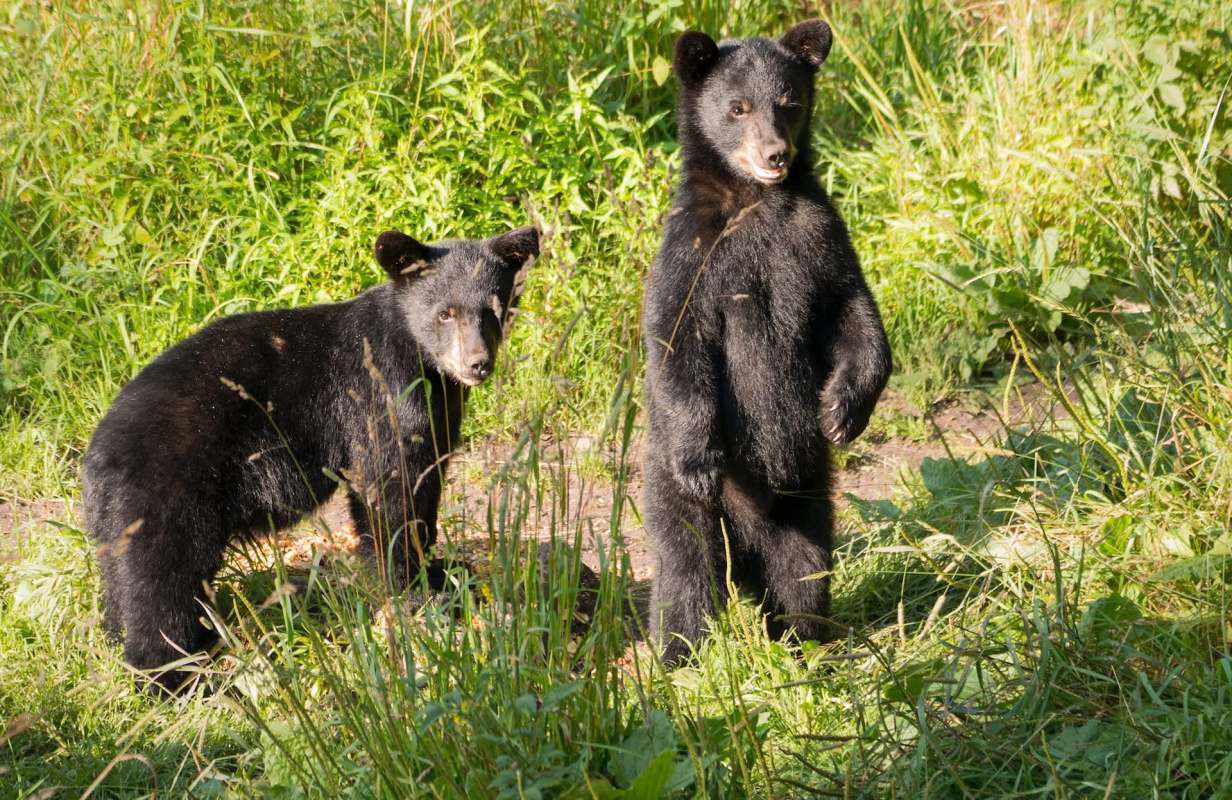
Last summer, a black bear involved in an attack on a camper at a Lake Tahoe-area state park was euthanized after a string of alarming encounters, leaving behind two young cubs and raising fresh questions about how human activity can push wildlife into dangerous situations.
The incident injured a woman, frightened campers, and ended with the 5-month-old cubs being sent to a wildlife rehabilitation facility.
What happened?
State wildlife officials said the bear got into a trailer at Eagle Point Campground and appeared to be searching for food, as Fox 8 reported.
The woman who tried to drive it out by making noise with pots and pans suffered cuts and bruises and was taken to the hospital.
Officials also tied the bear to other troubling encounters last year. CDFW said it ripped into a campervan that day while teenagers were asleep inside and was also "harassing" other people at the campground. Earlier in June, the same animal had reportedly entered a vehicle with a child strapped into a car seat.
After those incidents, the agency designated the animal a "public safety bear." CDFW said it had "a long history of human conflict," and the bear was euthanized on June 23.
TCD Picks » Quince Spotlight
💡These best-sellers from Quince deliver affordable, sustainable luxury for all




Officials said the bear left behind two 5-month-old cubs that were later taken to a wildlife rehabilitation facility.
Why does it matter?
Bears are often drawn into campgrounds, trailers, and vehicles by food, coolers, garbage, scented products, or repeated access to easy calories. Once that behavior becomes routine, the risks can escalate quickly for both people and animals. The bears can become aggressive to humans and their desire for food can override their fear, leading to hostile encounters.
If a bear is believed to be desensitized to humans, it's put down due to safety concerns, meaning too much contact isn't just dangerous for humans, it's fatal for bears.
"Bear cubs learn everything from their mothers — good and bad behavior alike," Kilgour said.
She later added, "A mother bear that constantly searches human-occupied areas for unnatural food sources, and breaks into homes and vehicles, teaches this behavior to her cubs and perpetuates another generation of human-bear conflict."
How to Prevent Contact
Reducing attractants means storing food in bear-proof lockers when available, never leaving snacks or coolers in tents or unsecured vehicles, cleaning cooking areas promptly, and keeping windows and doors closed when away from camp.
People should also avoid trying to force a bear out of an enclosed space themselves if they can safely retreat and alert park staff instead.
Wildlife agencies generally stress that early reporting, strict food storage, and consistent campground rules are among the best tools for protecting both visitors and animals.
As humans and wildlife share more spaces, proper knowledge and protocols can help reduce situations like this.

Get TCD's free newsletters for easy tips, smart advice, and a chance to earn $5,000 toward home upgrades. To see more stories like this one, change your Google preferences here.







