


Europe is betting that protected land can do more than preserve what remains of nature — it can also help bring ecosystems back to life.
In Belgium, conservation leaders unveiled 10 new "Wilder Parks" intended to give rivers, forests, grasslands, and wildlife more room to recover on their own.
What happened?
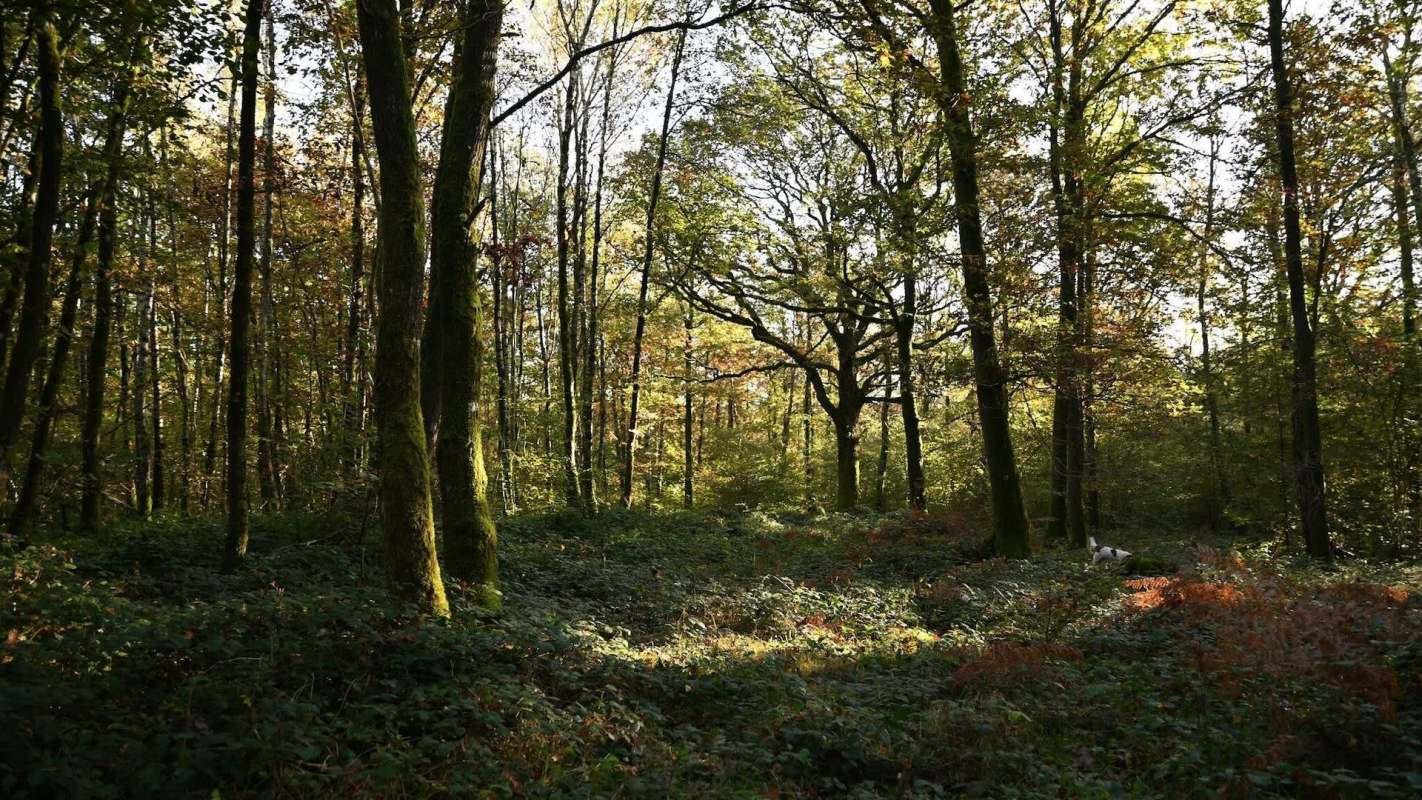
Ten parks stretching from Ireland to Georgia were formally introduced at Belgium's Entre-Sambre-et-Meuse National Park, Rewilding Europe said.
Together, they are meant to demonstrate how rewilding can reinforce Europe's broader network of protected areas.
Rather than stopping at traditional conservation, the initiative focuses on restoring the natural processes that keep ecosystems functioning well, such as grazing, flooding, scavenging, and the unobstructed movement of water.
Nearly 790,000 hectares of land and sea are set to receive rewilding support through 2030 under the effort, and every park will create its own site-specific action plan.
TCD Picks » Quince Spotlight
💡These best-sellers from Quince deliver affordable, sustainable luxury for all




Frans Schepers, executive director of Rewilding Europe, emphasized the scale of the opportunity.
"There is a huge opportunity to restore nature across Europe by scaling up rewilding in protected areas," Schepers said.
Why does it matter?
Protected areas already form a major part of Europe's environmental safety net.
The European Union alone has about 62 million hectares of protected areas spread across more than 29,000 sites, and the number rises to more than 120,000 sites across Europe when the Emerald Network is included.
TCD Picks » Quince Spotlight
💡These best-sellers from Quince deliver affordable, sustainable luxury for all
But many of those landscapes have still experienced ecological decline, leaving some without the wild processes and food webs that once made them more resilient.
Rewilding is meant to address this by allowing natural systems to take on more of the recovery work, rather than relying solely on intensive management.
Healthier ecosystems can help support stronger local economies through nature-based tourism and bring many socio-economic benefits to local communities.
The initiative also comes at a key moment, as EU Member States work toward the targets of the Nature Restoration Law.
What's being done?
The first 10 Wilder Parks will serve as proof-of-concept sites for a broader shift in how protected areas are managed. The program is expected to expand, with additional parks set to join in 2027.
In practice, that could mean restoring forests, rivers, and grasslands, increasing or reintroducing keystone species, and improving coexistence between people and wildlife.
The organization also plans to support policy change, national planning, and professional education so rewilding becomes a routine part of protected area management. That could create more opportunities tied to restoration and tourism while making landscapes more resilient.
Johanna Breyne, director of Entre-Sambre-et-Meuse National Park, said, "Embedding rewilding principles in the way we work is an essential part of this journey."
"Our joint efforts will not only help nature lead its own recovery within these carefully selected parks, but also inspire other areas to join us and embrace this approach," Schepers said.
Breyne added that the collaboration will "hopefully inspire other parks to follow in our footsteps."

Get TCD's free newsletters for easy tips, smart advice, and a chance to earn $5,000 toward home upgrades. To see more stories like this one, change your Google preferences here.







